English
  中文简体
中文简体

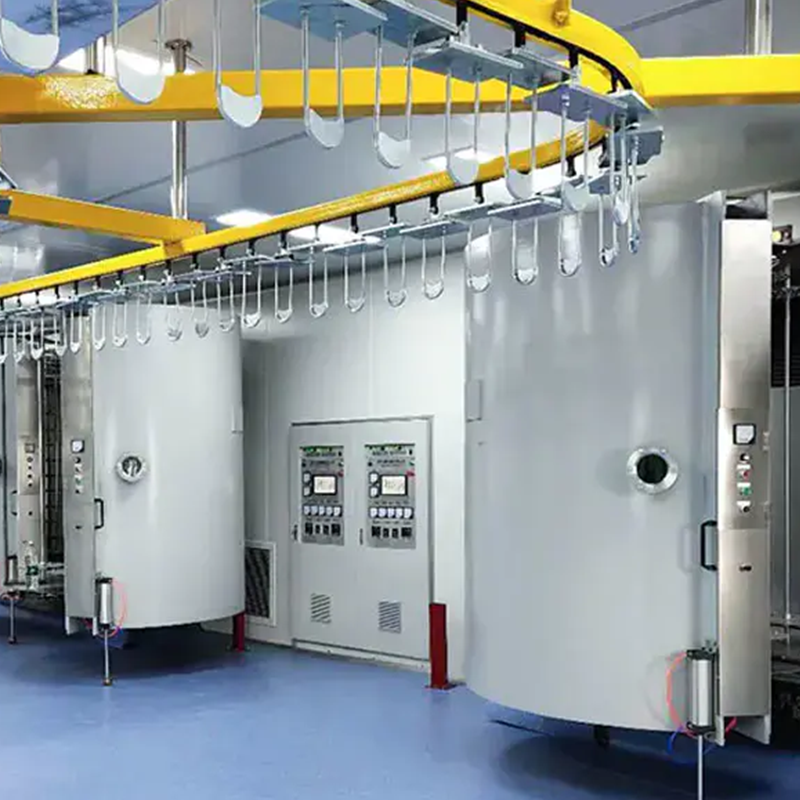
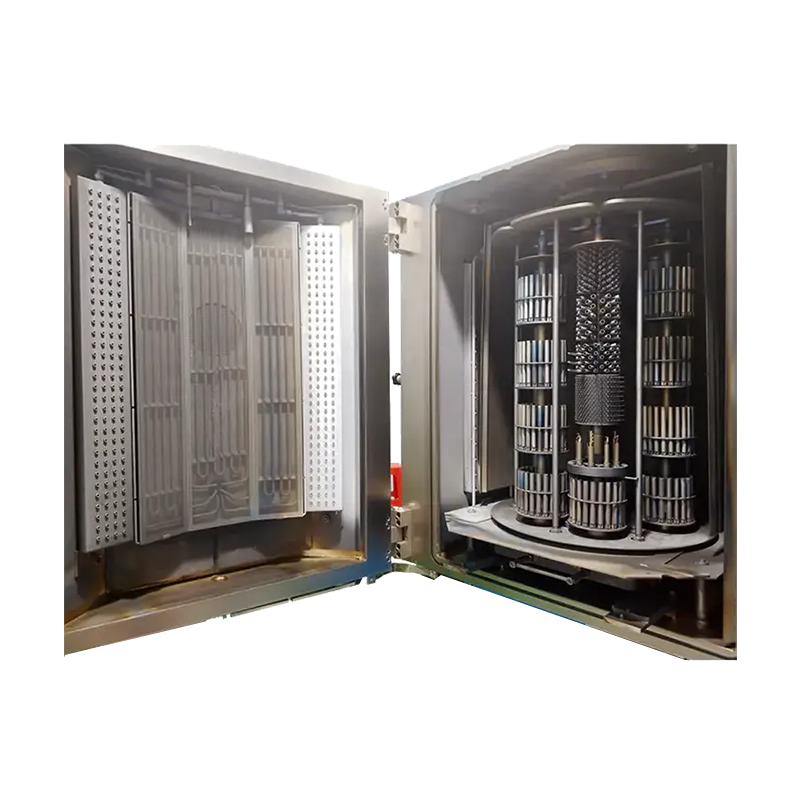
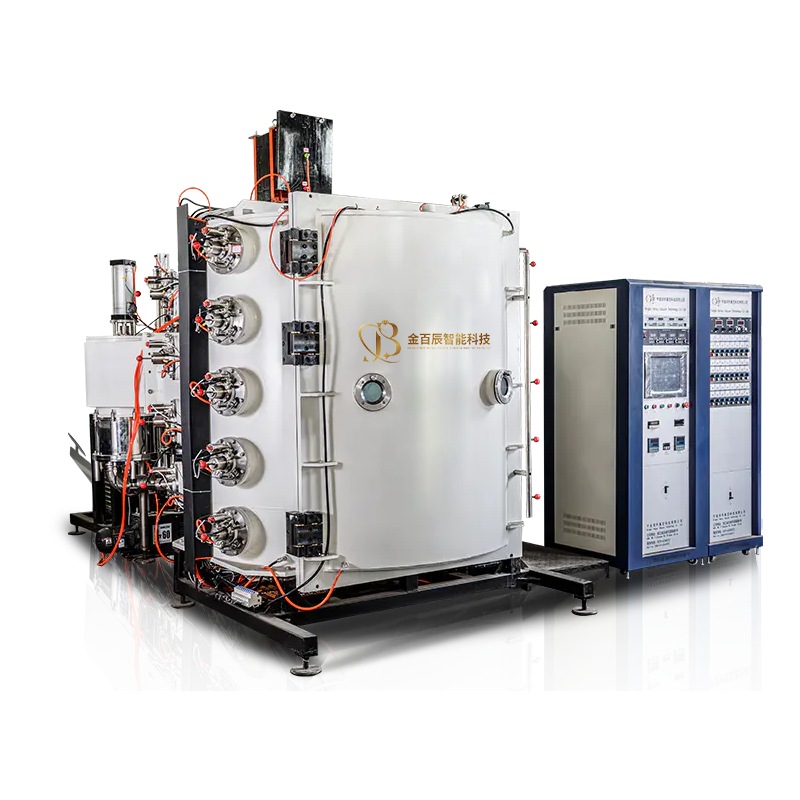
Vacuum Coating Equipment for Optical and Electronic Materials
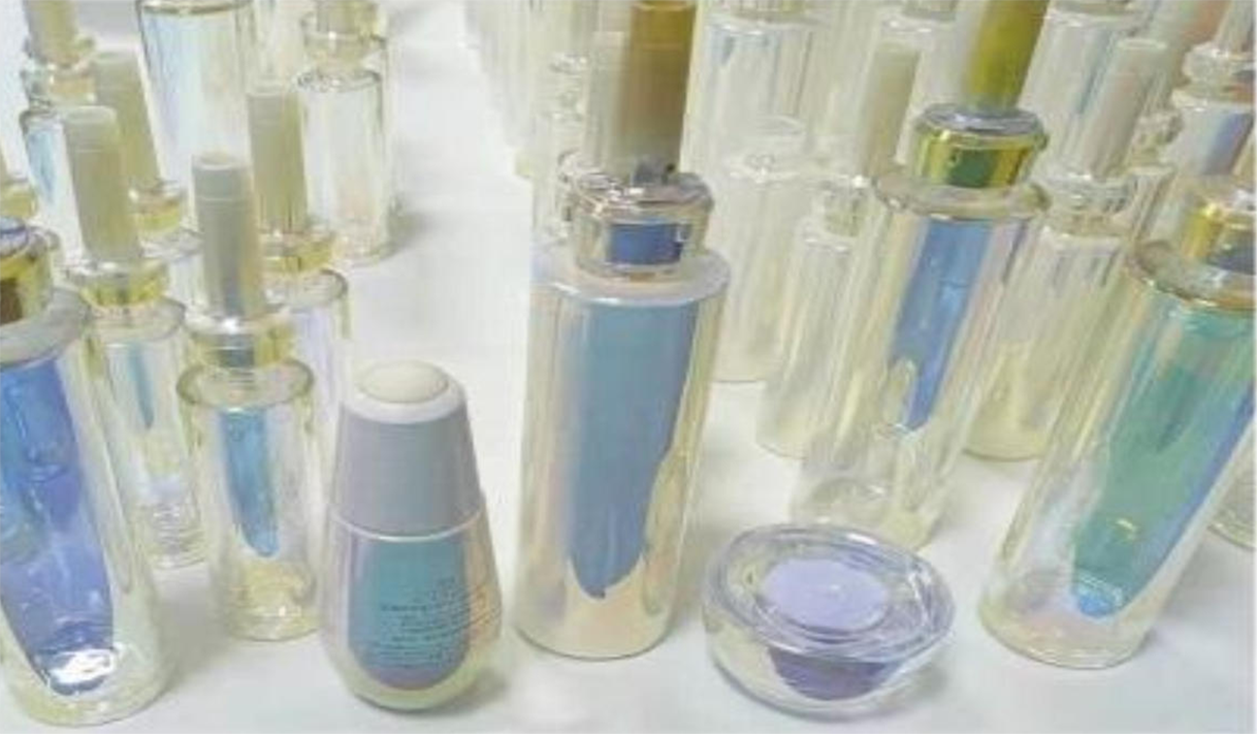

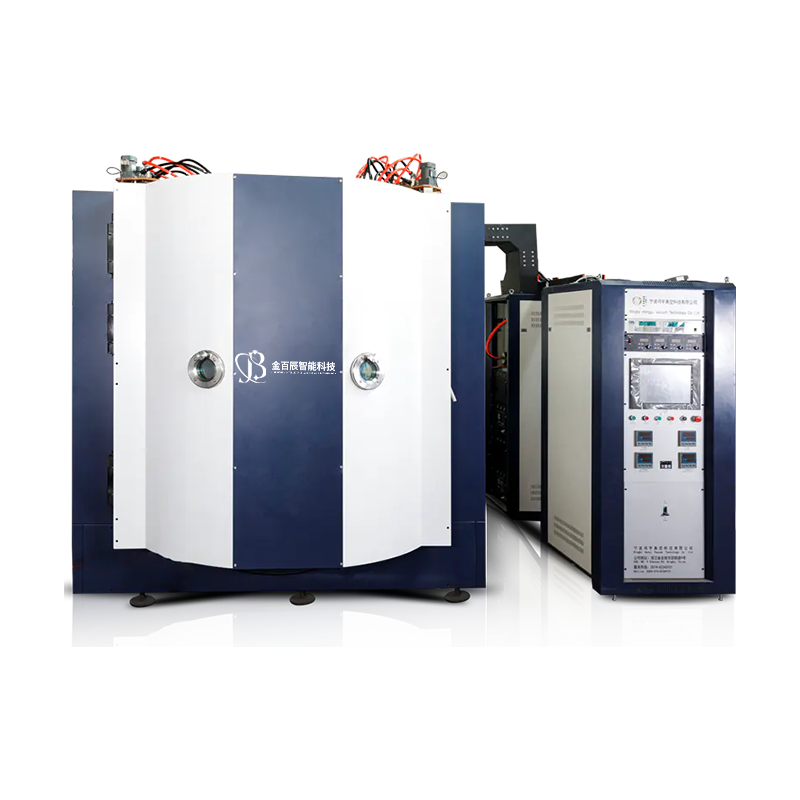
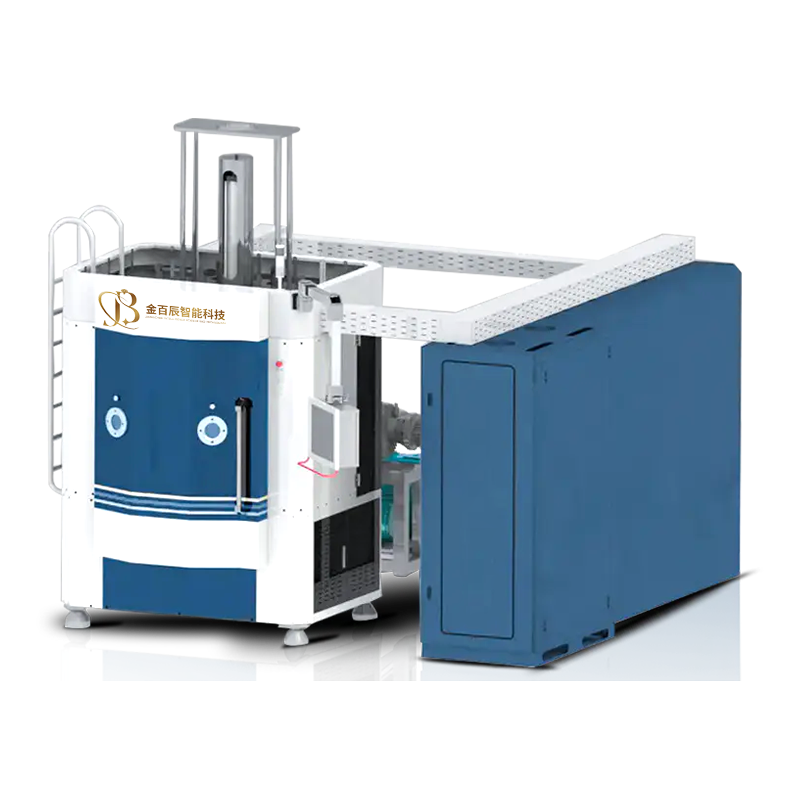
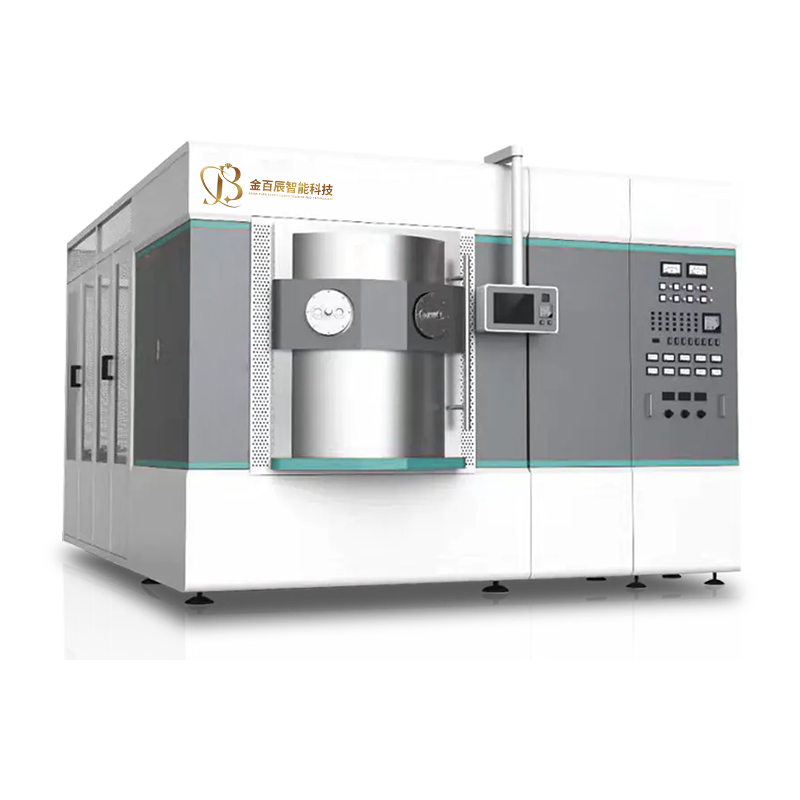
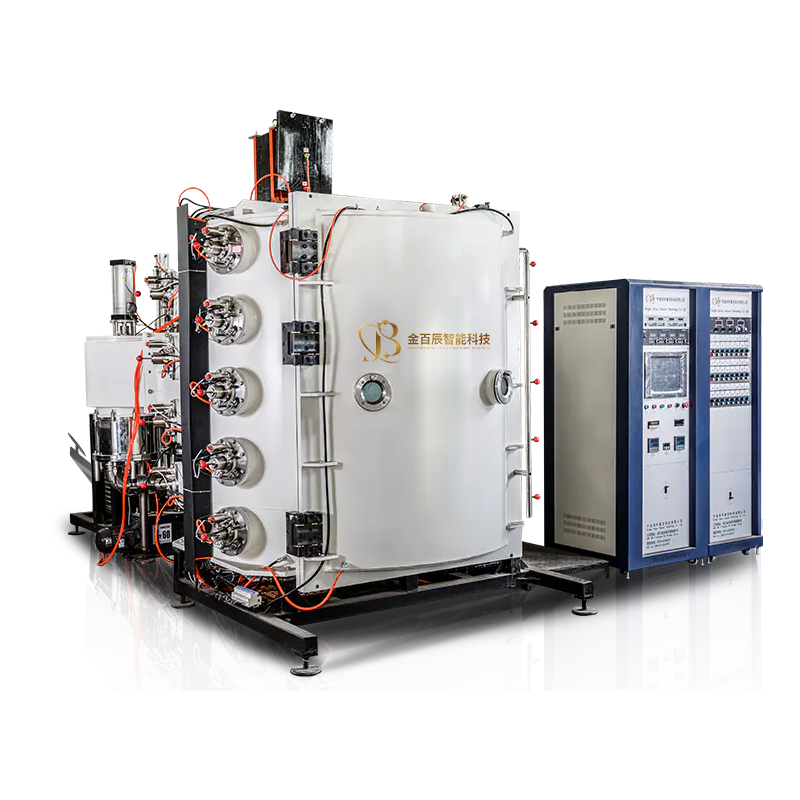
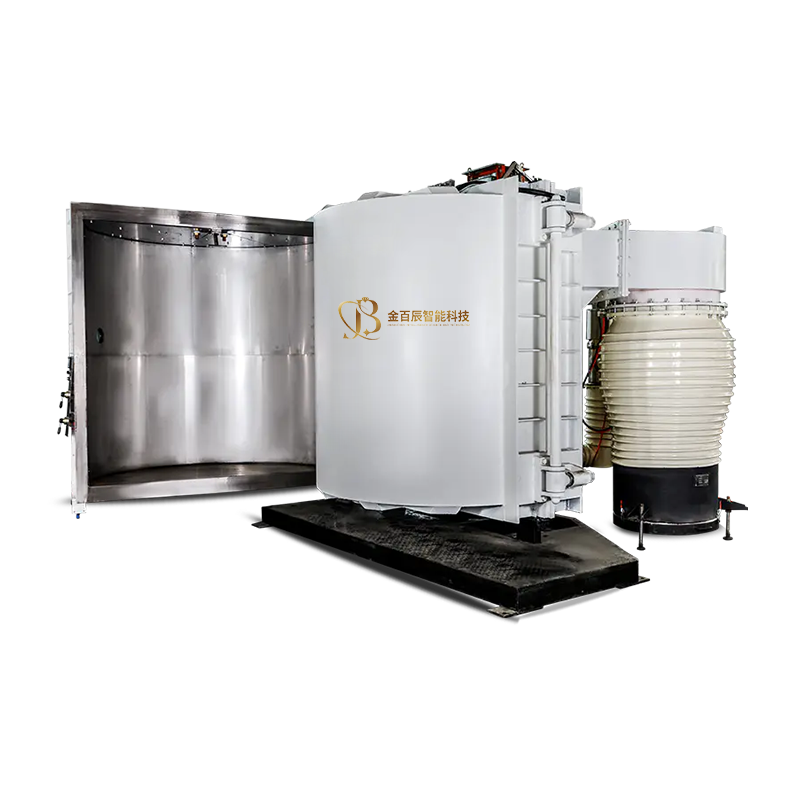
Vacuum coating equipment plays a pivotal role in the precise control of thin film optics. When light interacts with multi-layer thin films, it undergoes reflection, refraction, and interference. These optical effects are governed by phase relationships and optical path differences between light waves reflected from various interfaces. When reflected waves are out of phase, destructive interference occurs—effectively reducing reflectivity, as seen in anti-reflection coatings. Conversely, in-phase reflected waves cause constructive interference, enhancing reflectance, which is essential for high-reflective coatings.
Optical Properties of Coating Materials
The optical performance of a thin film is largely influenced by the material's refractive index and extinction coefficient. Commonly used materials include titanium dioxide (TiO₂), which has a high refractive index ideal for high-reflection layers, and silicon dioxide (SiO₂), known for its low refractive index and outstanding transparency, making it suitable for anti-reflective coatings. Vacuum coating systems ensure the precise control of these materials, enabling customized stack designs for tailored optical responses.
Importance of a Vacuum Environment
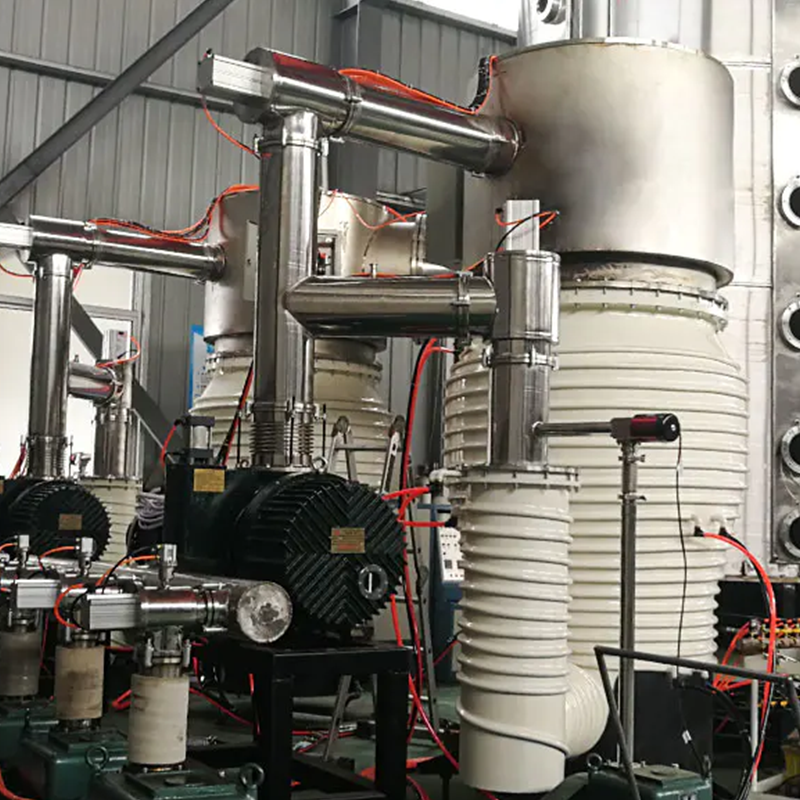
Operating in a high-vacuum environment is critical for maintaining film purity and consistency. By minimizing molecular collisions and eliminating oxygen exposure, vacuum conditions prevent oxidation of sensitive materials and allow deposition particles to travel in straight trajectories. This results in highly uniform coatings with outstanding optical and mechanical properties.
Practical Applications Across Industries
Vacuum optical coating equipment is widely used in:
Optical Instruments: Anti-reflective coatings on lenses in cameras, microscopes, and telescopes
Optical Communication: High-reflection and filter coatings for fiber connectors and WDM (wavelength-division multiplexing) components
Renewable Energy: Anti-reflective and light-trapping coatings for solar cells and photovoltaic modules
Display Technology: Anti-glare and anti-reflection films on mobile phones, TVs, and touchscreen panels
The field continues to evolve with intelligent coating systems offering automation, process monitoring, and adaptive control. Innovations in nanostructured films and multilayer interference design are expanding the boundaries of performance. Vacuum optical coating is also finding new applications in emerging areas such as quantum optics, flexible displays, and wearable photonics.
Vacuum coating equipment is indispensable in producing precision optical films. Through meticulous control over material properties and deposition conditions, these systems enable the fabrication of high-performance coatings that meet the demanding optical standards of modern industries.
| MATERIAL | DEPOSITION TECHNOLOGY | DENSITY g/cm³ | Sp3% | HARDNESS GPa | FRICTION COEFFICIENT |
| DIAMOND | NATURAL | 3.52 | 100 | 100 | 0.02 - 0.10 |
| a - C | SPUTTERING | 1.9 - 2.4 | 25 | 11-24 | 0.10 - 0.15 |
| a - C:H:M | REACTIVE SPUTTERING | 1.9 - 2.4 | - | 10-20 | 0.10 - 0.20 |
| a - C:H | RF SPUTTERING | 1.57 - 1.70 | - | 16 - 40 | 0.02 - 0.47 |
| a - C,a - C:H | ION BEAM | 1.8 - 3.5 | - | 32 - 75 | 0.06 - 0.19 |
| ta - C | MAGNET FILTER | 2.8 - 3.0 | 85 - 95 | 40 - 80 | 0.04 - 0.14 |
| Ta - C | PLD | 2.4 | 85 - 95 | 40 - 80 | 0.03 - 0.15 |
| NAMI DIAMOND | PLD | 2.9-3.5 | 75 | 80-100 |
|
Uniformity |
Uniform Film Deposition Rate |
|
Lower Cost |
Single Product Coating Cost Is Lower |
|
High Speed |
Fast Deposition Speed, High Ionization Ratio, And Big Production |
|
Easy Operation |
Full Auto, Easy Lea,n And Operate |
|
Complete Environmental |
Without Any Pollution |
|
Remote Control |
Remote Checking And Inspection |
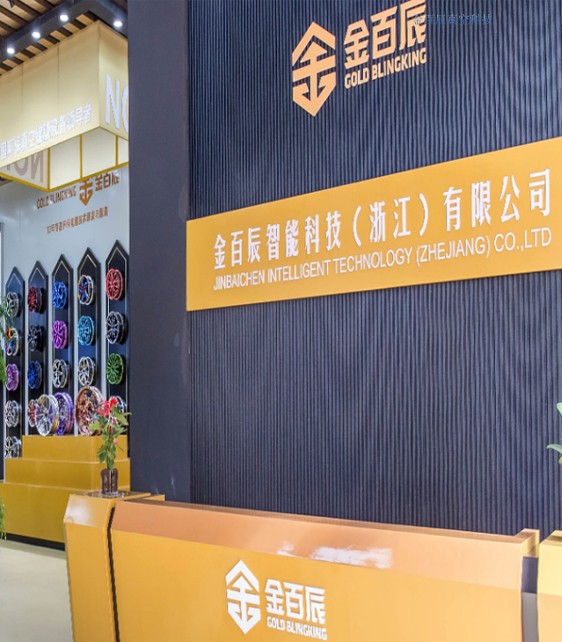
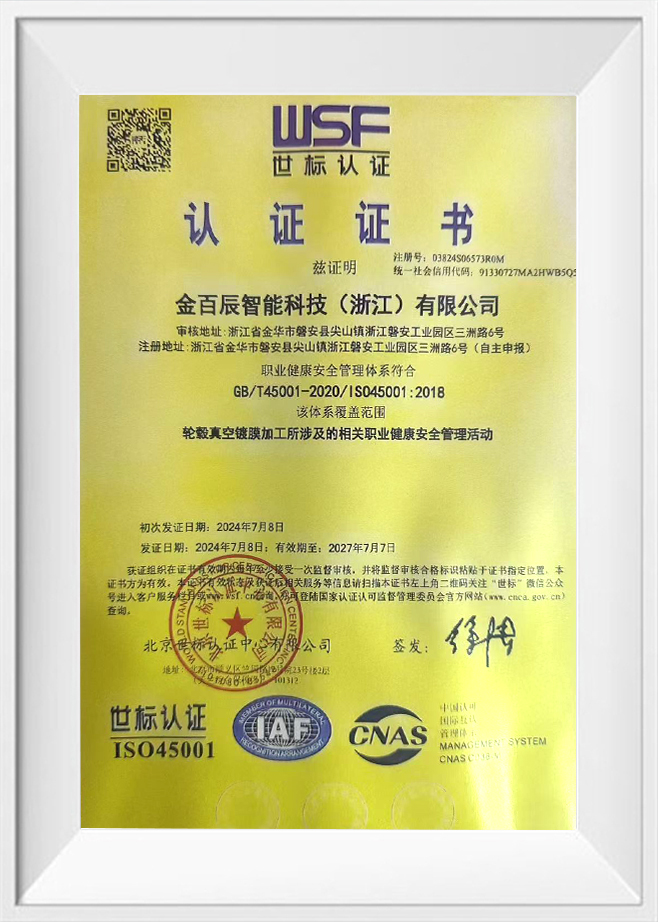
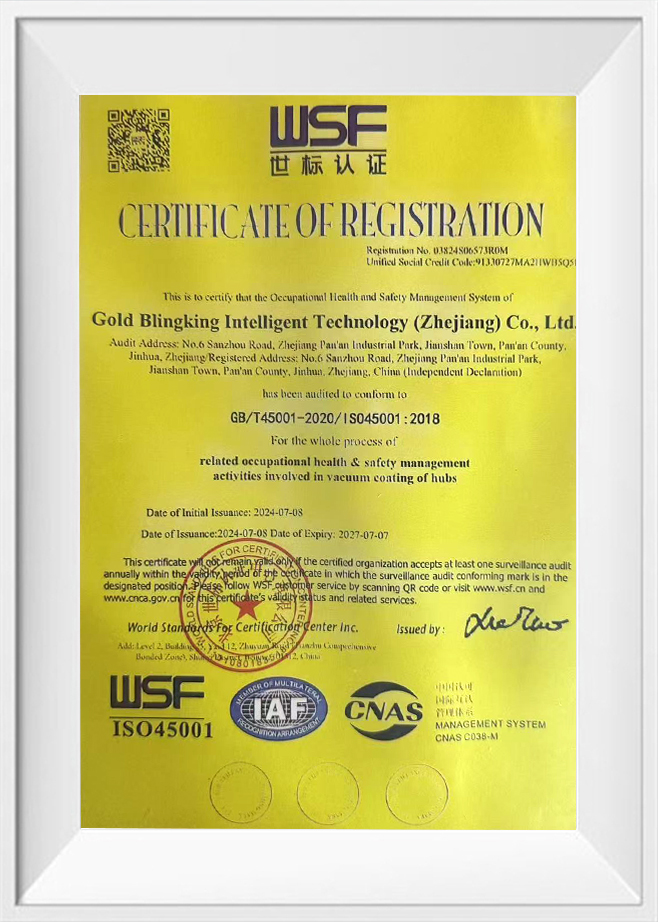
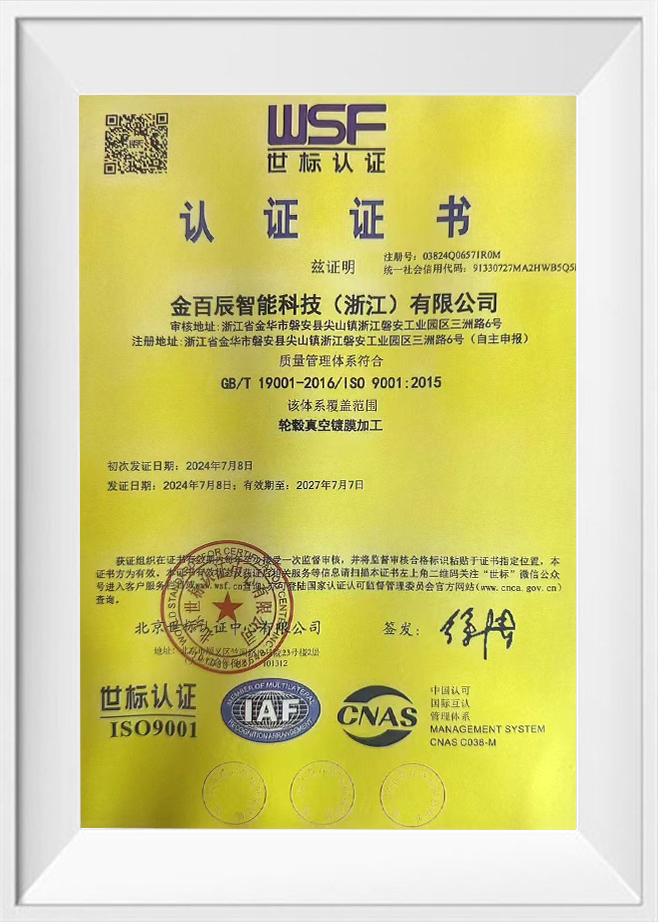
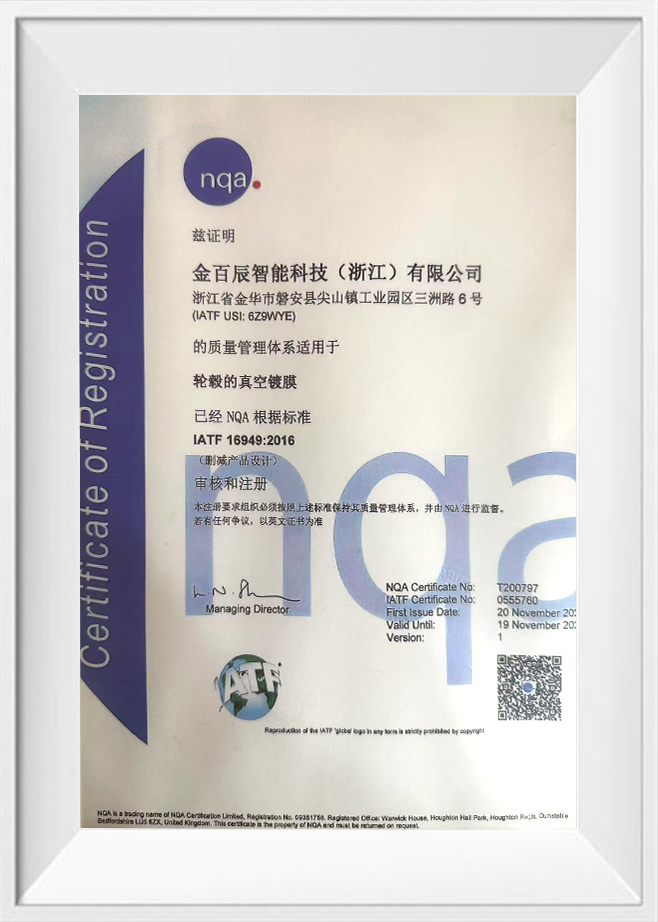
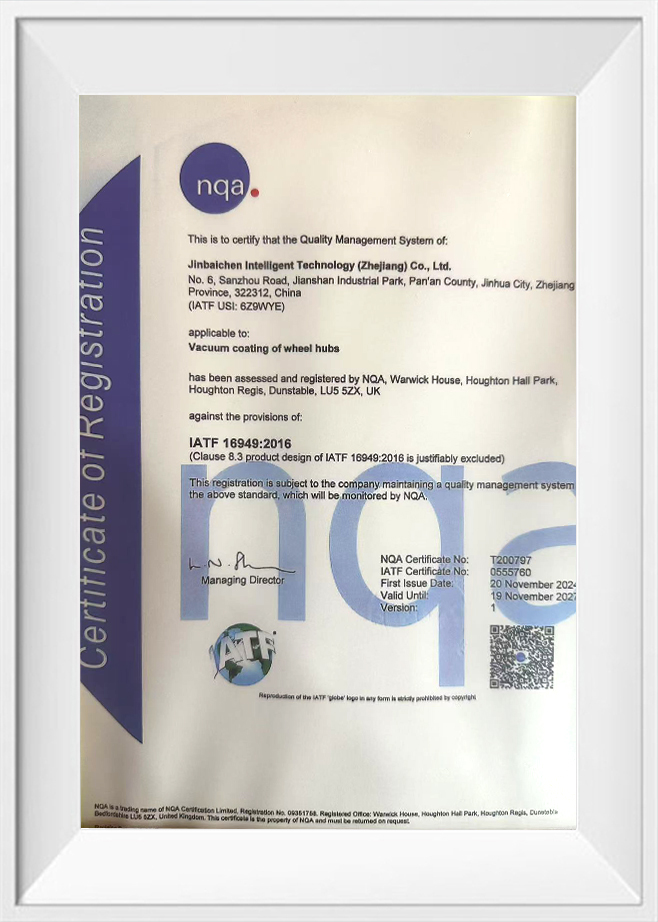
GOLD BLINGKING INTELLIGENT TECHNOLOGY (ZHE JIANG)CO., LTD. is well-known , located in No. 6, Sanzhou Road, Jianshan Town, Pan 'an County, Jinhua City, Zhejiang Province, China.
our company implements the one-stop service model at domestic and overseas, formulates the design scheme according to the needs of customers, as well as the process flow of equipment commissioning operation and quality control in production and operation. With high-quality after-sales service and lifelong technical guidance, we escort customers' production and development and avoid worries. The process turnkey project provides strong technical support for the development of well-known coating manufacturers at domestic and overseas. As a famous OEM PVD Optical Coating Equipment Supplier and Electronic Materials Vacuum Coating Equipment Producer, our company integrates R & D, design, production and sales, and is based on high-grade and high-end markets.
The main products are: multi arc ion coating equipment, magnetron sputtering coating equipment, bathroom hardware decoration coating equipment, optical coating equipment, glass ceramic special coating equipment, DLC tool coating equipment, etc. It is widely used in hardware sanitary ware, large furniture board, clock, mobile phone,electronic products, automobile, mold tools, various decorations and other industries.
With advanced process technology to meet the needs of environmental protection, the shortcomings of water electroplating are solved. Laws and regulations correspond to domestic and international environmental protection policies to purify water for the earth.
Experience
With 30 years of expertise
Employee
More than 100 employees
90% of our machine parts are produced by ourselves in our own factory, so that we can control the quality, which can ensure the quality of the machines.
We are machine manufactures, so we can offer the price and products directly.
We have a strong R&D team, which can develop and produce according to the special needs or samples provided by customers.
Based on the development concept of "based on domestic and facing the world", the company keeps pace with the times, and is willing to join hands with domestic and foreign customers to develop together and create a better future.
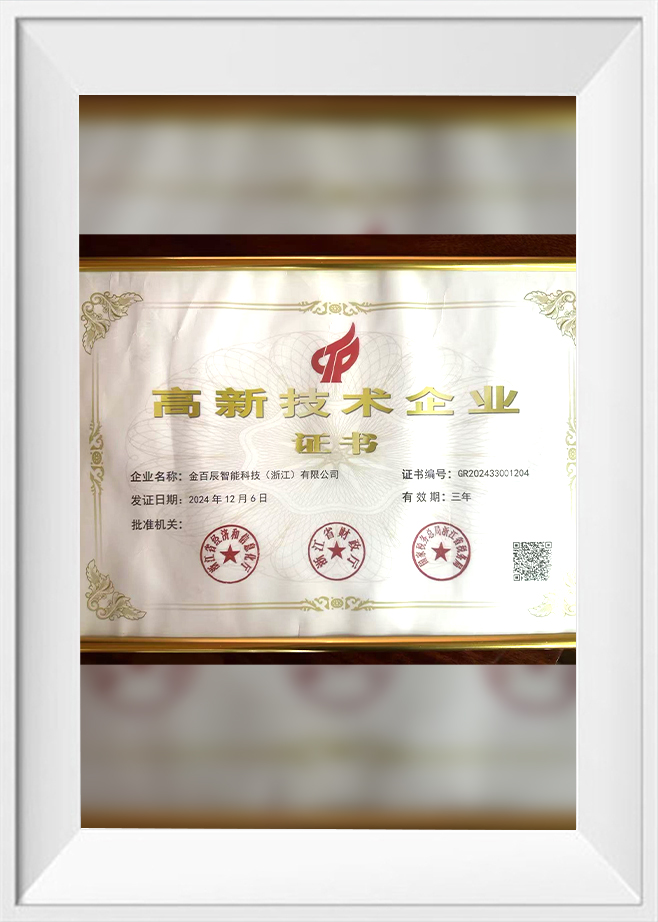
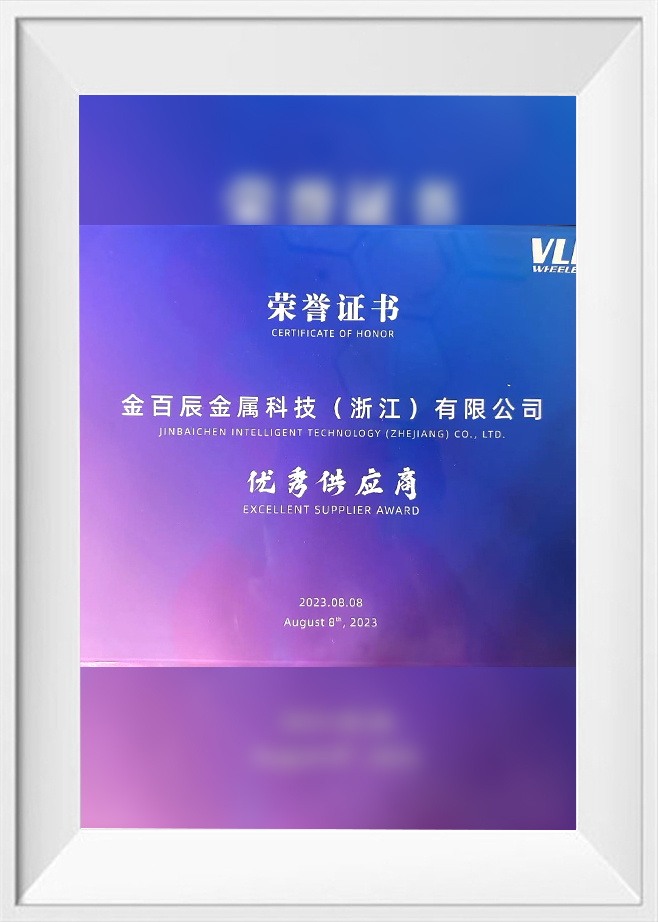
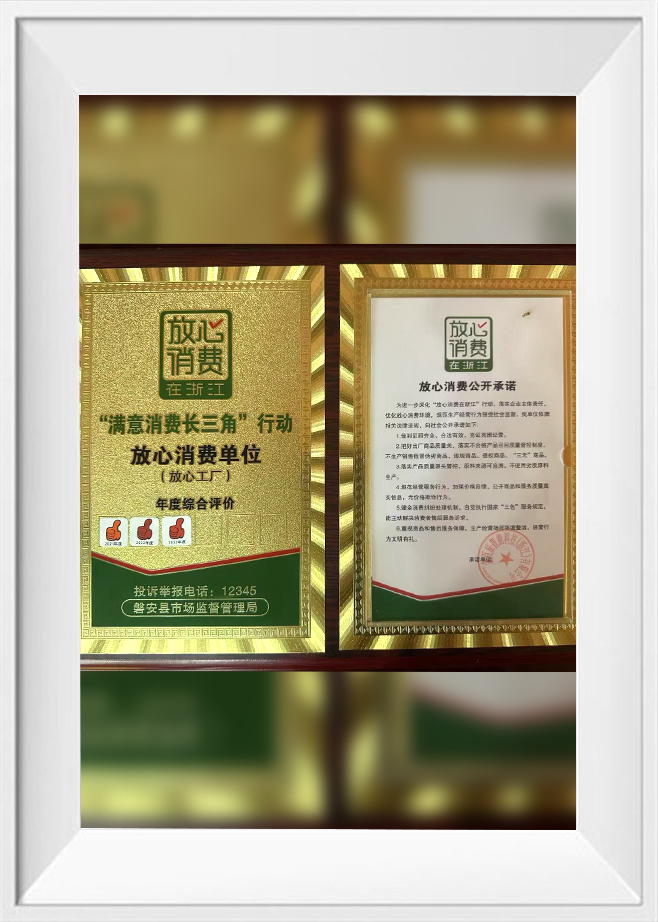
We will reply to you within 12 hours of the working day.
The products material, colors, production capacity, machine size and so on.
We focus on all types of vacuum coating machines.
We are PVD machine manufacture, we also have our own domestic and international sales department. We produce and sell all by ourselves.
Mainly is used for metal, sanitary wares, big size furnitures and sheet, watch, mobile phone electrical parts, automobile, mould and tools, all decoration industries and so on.
Do you have detailed questions or suggestions? We will respond to it within 24 hours from the date of receipt.
Optical PVD (Physical Vapor Deposition) coating equipment plays a crucial role in the fabrication of precision lenses by enabling the deposition of high-quality thin films with controlled optical properties. Its main contributions include:
By integrating PVD coating into lens manufacturing, optical component producers can achieve outstanding clarity, enhanced durability, and tailored optical functionality.
Vacuum coating equipment directly impacts the refractive index, reflectivity, and overall optical performance of thin films:
In essence, precise control over the deposition process ensures that optical thin films meet design specifications for refractive index, reflectivity, and durability, which is crucial for high-performance lenses and optical instruments.
Vacuum coating technology is increasingly essential in microelectronics and optoelectronics due to its ability to produce high-precision, thin, and uniform films:
Through precise control of deposition parameters, vacuum coating equipment helps manufacturers achieve high-yield, reliable, and efficient production of microelectronic and optoelectronic devices with enhanced performance and longevity.
Optical vacuum coating equipment is indispensable in precision optics and microelectronics, providing controlled deposition for anti-reflective, protective, and functional thin films. By precisely managing refractive index, reflectance, and film uniformity, vacuum coating systems enhance both the optical and mechanical performance of lenses and components. In microelectronics and optoelectronic applications, vacuum-deposited films ensure device reliability, miniaturization, and consistent production quality, offering manufacturers a competitive edge in high-precision industries. Investing in high-quality vacuum coating equipment enables durable, efficient, and high-performance optical and electronic products, meeting the stringent demands of modern technology sectors.
Why Does Optical Coating Equipment Matter In Modern Optical Manufacturing Many optical products gain a large part of their functional value ...
Optical coating systems run inside a sealed space where particles, surfaces, and energy interaction follow a controlled path. Stability in O...
Why Does Optical Coating Equipment Matter in Display and Glass Processing Workflows? Glass in display and optical use is never just "clear m...
 PVD Optical Coating Equipment Exporter