Industry News
The technical team of Jinbaichen has over 30 years of experience in the research and development of vacuum coating equipment and technological accumulation.
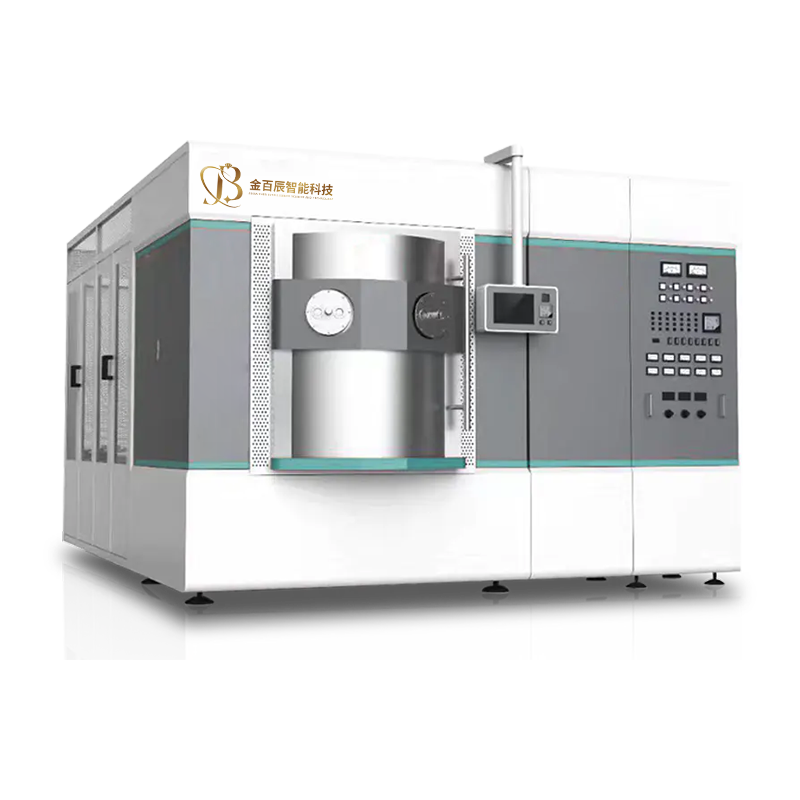
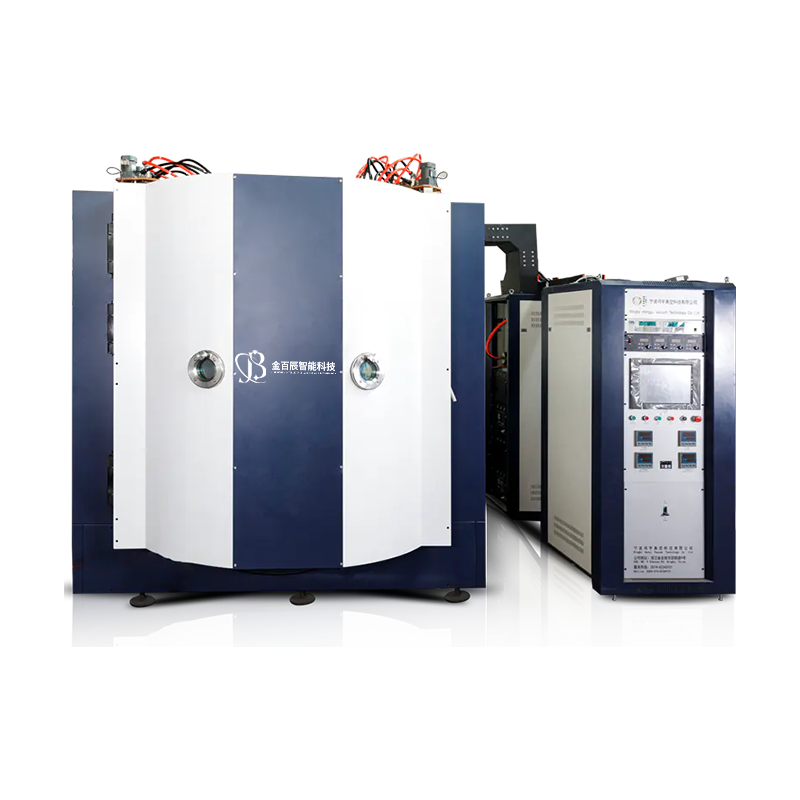
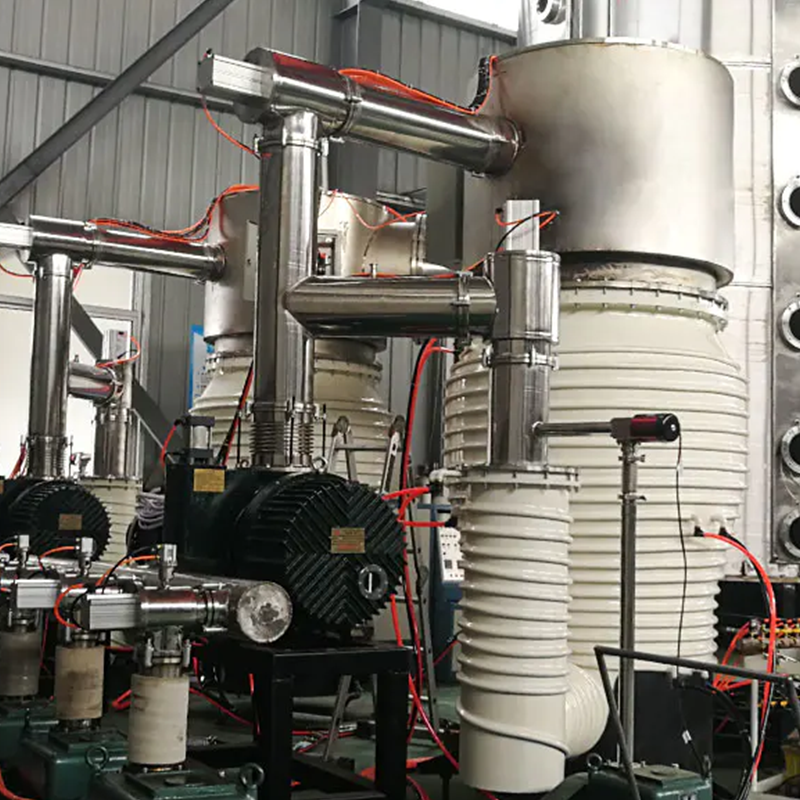
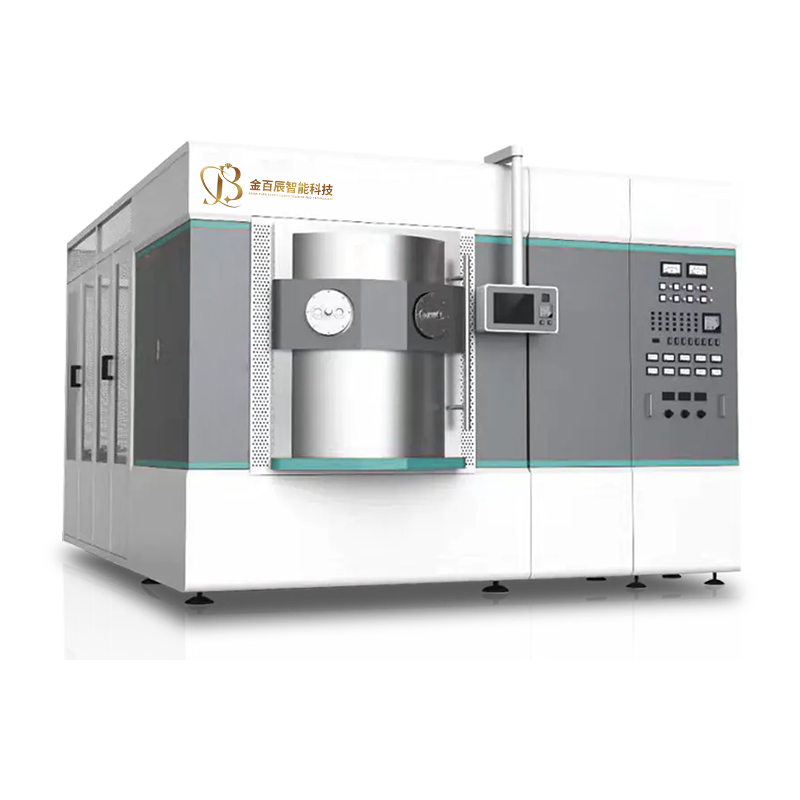
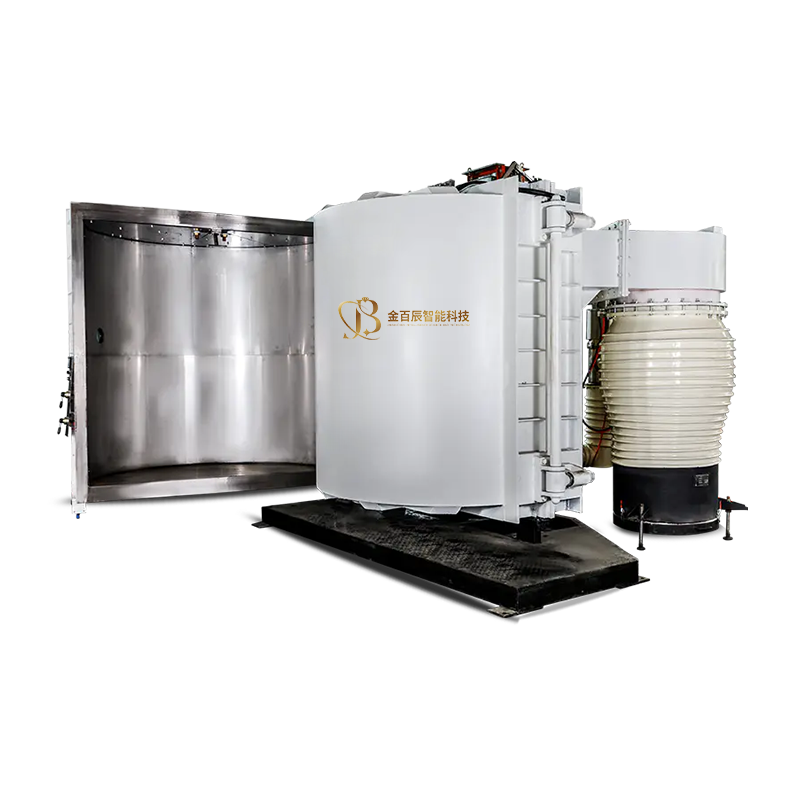
Optical coating systems run inside a sealed space where particles, surfaces, and energy interaction follow a controlled path. Stability in Optical Coating Equipment does not come from a single element, it appears when internal conditions stay close to the same behavior over time, even when operation continues for long cycles.
Inside the chamber, coating materials travel from source to substrate in a confined route. Once that route becomes slightly disturbed, coating patterns may shift across different surface zones. The change is often subtle at first, then gradually becomes visible in layer consistency.
Vacuum Coating Technology sits at the center of this environment control. By reducing surrounding gas presence, particle motion becomes less scattered, and internal movement feels more directed rather than random.
Common signs of stable operation conditions:
Stability here is less about fixed numbers, more about how smoothly the system continues its internal rhythm.
Thin film formation depends on how particles travel and settle on a surface. In open air, particles collide with gas molecules many times before reaching the target, which breaks their direction and weakens control over where they land.
Inside Vacuum Coating Technology environments, that resistance becomes much lower. Particle paths become clearer, almost like a straight flow from source to substrate, although still influenced by chamber geometry and surface layout.
Once the internal pressure drops, several changes start to appear:
Optical Coating Equipment benefits from this shift because film formation turns from irregular deposition into a more predictable layering process. The surface begins to respond in a steadier way, especially when conditions inside the chamber remain unchanged for a longer period.
Even small changes in internal pressure can affect how particles behave inside the chamber. When vacuum level shifts slightly, particle speed and direction may also adjust, which then influences how coating layers form on the substrate.
In Optical Coating Equipment, consistency matters because deposition happens continuously. If internal conditions drift, the coating pattern may slowly move away from its original balance.
Several effects often appear when vacuum conditions are not steady:
Vacuum Coating Technology helps reduce this drift by keeping internal conditions closer to a stable state. The goal is not only to create vacuum, also to maintain it in a way that supports continuous and predictable deposition behavior.
The shape and internal layout of the chamber influence how particles move before reaching the substrate. Inside Optical Coating Equipment, chamber space is not empty, it guides movement through walls, angles, and internal distances.
When particles leave the source, they do not always move in a straight line. Some reflect from surfaces, some slow down due to space interaction, and others shift direction slightly depending on internal geometry.
Key structural influences include:
A simple comparison of internal behavior:
| Chamber Condition | Particle Movement Pattern | Coating Result Behavior |
|---|---|---|
| Wide open space | Broad and scattered path | Less controlled spread |
| Balanced geometry | Guided and stable flow | Even layer formation |
| Complex layout | Mixed reflection paths | Variable deposition feel |
Vacuum Coating Technology interacts with all these structural conditions, reducing random interference so chamber design can better define final coating behavior.

Even inside low-pressure environments, small amounts of gas still exist and continue to move through the chamber. Their movement affects how particles travel, especially when flow direction changes during operation.
Gas inside the chamber can push or redirect particle paths slightly. When flow remains steady, coating behavior stays predictable. When flow becomes uneven, deposition patterns may shift across different surface areas.
Gas flow influence can be seen in several areas:
Optical Coating Equipment depends on controlled gas behavior to maintain balance inside the chamber. Vacuum Coating Technology reduces unnecessary interaction so particle movement stays closer to intended paths.
Pressure inside the chamber does not always remain perfectly steady. Small changes can appear during operation, and these changes influence how particles move and settle.
When pressure shifts, particle speed may change slightly, and movement direction can also become less stable. Even if equipment settings stay the same, deposition behavior may adjust in response to internal conditions.
Typical responses include:
Vacuum Coating Technology helps reduce the impact of these fluctuations by maintaining a more controlled internal environment, allowing Optical Coating Equipment to keep a smoother operational pattern over time.
Inside Optical Coating Equipment, the substrate rarely stays fixed. A still surface tends to receive material in uneven ways, since particles keep arriving from similar angles and certain zones end up carrying more load than others.
Movement changes that pattern. Rotation or slow shifting makes the surface meet the particle stream in different positions over time. The coating process then spreads out instead of concentrating in one area.
In actual operation, a few effects tend to appear:
Vacuum Coating Technology supports this movement in a quiet way. Particle flow stays steady while the surface changes position, so balance comes from both motion and environment working together.
Temperature inside the chamber does not stay still. Heat moves slowly through walls, fixtures, and internal parts. Even without large changes, small shifts in temperature can affect how particles behave before landing on the surface.
In Optical Coating Equipment, heat influences particle energy and surface reaction. When temperature drifts, the way material settles can also shift slightly, even when vacuum conditions remain stable.
Typical thermal influences include:
Vacuum Coating Technology reduces outside interference, yet heat still plays its role. Stability comes when temperature movement and vacuum conditions stay aligned rather than pulling in different directions.
Inside the chamber, structure quietly controls movement. Particles do not travel in empty space; they interact with walls, angles, and spacing before reaching the substrate.
Each surface inside Optical Coating Equipment shapes direction in some way. A small reflection or a change in distance can slightly alter how material spreads.
Key structural influences include:
Vacuum Coating Technology reduces random scattering, but structure still sets the base pattern. When design and vacuum conditions match each other, the system feels more stable in daily operation.
When vacuum control becomes part of the full system behavior, operation starts to feel continuous rather than broken into steps. Each stage flows into the next without sharp changes in internal conditions.
Particle movement, surface interaction, and chamber response follow a more connected rhythm. The system reacts less to sudden shifts and more to gradual transitions.
Common changes in operation behavior:
Optical Coating Equipment begins to depend more on internal balance, where vacuum conditions act like the background that holds every step together.
Over long use periods, small changes slowly build up inside the system. Surfaces inside the chamber may interact differently with particles after repeated cycles, and internal heat patterns may also shift in subtle ways.
These changes do not appear suddenly. They grow quietly across many operation cycles and only become noticeable when patterns start to drift.
Long term influences often include:
Vacuum Coating Technology helps reduce how strongly these changes affect output. Stability over time depends more on keeping balance than removing every variation.
With time, vacuum control becomes more embedded in how Optical Coating Equipment behaves. The system no longer relies only on mechanical structure, since internal conditions now carry much of the process stability.
Operation gradually shifts toward a more connected internal environment. Particle flow, chamber design, and vacuum conditions begin to work together instead of acting separately.
Common directions in this shift include:
Vacuum Coating Technology stays at the center of this change, shaping a system where stability comes from controlled internal balance rather than frequent correction from outside.
Realize environmental protection requirements with advanced technology and solve the shortcomings of water electroplating.
Vacuum Coating Equipment Manufacturer