1. Typical Applications of Large Vacuum Coating Machines
Large vacuum coating machines are specialized systems designed to deposit thin films on large-area substrates with high precision and uniformity. Their size and flexibility make them ideal for a wide range of industrial and commercial applications:
- Glass and architectural panels: Large float glass, tempered glass, and coated panels for windows, facades, or decorative applications benefit from reflective, anti-reflective, or low-emissivity (Low-E) coatings.
- Solar panels: Photovoltaic modules require transparent conductive oxide layers or anti-reflective coatings to improve energy conversion efficiency. Large vacuum systems allow consistent deposition across entire panels.
- Large reflectors and optical devices: Mirrors, telescope components, and lighting reflectors require high uniformity and surface quality over large areas.
- Decorative and functional films: Furniture, automotive interior panels, or industrial equipment can receive metallic, colored, or protective coatings on large sheets.
- Specialty substrates: Industrial ceramics, polymer sheets, and composite materials for aerospace or electronics applications can also be coated uniformly.
The versatility of large vacuum coating machines allows manufacturers to produce high-quality coatings on substrates that are too large or complex for standard-size equipment, ensuring performance, aesthetics, and functional reliability.
2. Role of Industrial Vacuum Equipment in Coating Systems
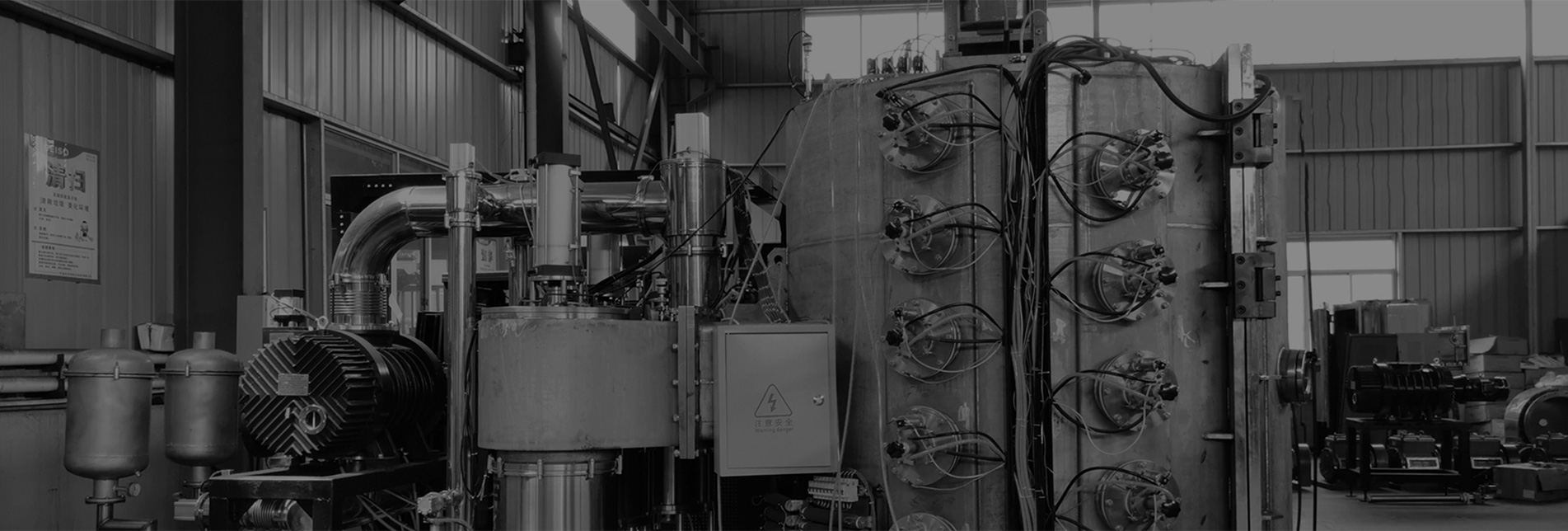
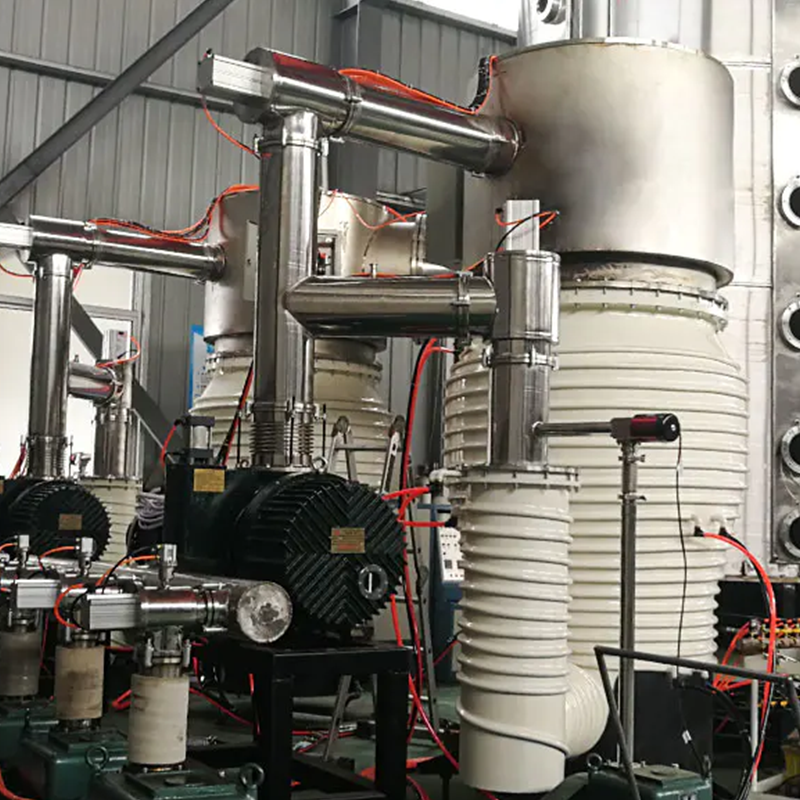
Industrial vacuum equipment plays a critical role in the operation and performance of vacuum coating systems. Key contributions include:
- Creating and maintaining the vacuum environment: Mechanical, turbo, or diffusion vacuum pumps evacuate air and moisture from the chamber, enabling high-purity deposition and preventing oxidation or contamination.
- Gas handling and control: Vacuum systems regulate process gases, such as argon, nitrogen, or oxygen, required for sputtering, reactive deposition, or ion-assisted coating.
- Supporting plasma generation: Stable vacuum conditions are essential for maintaining consistent plasma during PVD or magnetron sputtering processes.
- Material transport and deposition efficiency: High-quality vacuum ensures that vaporized atoms travel directly to the substrate, reducing scattering and ensuring uniform coating.
- Temperature and pressure stability: Industrial vacuum equipment helps maintain constant chamber pressure and temperature, which is critical for coating adhesion, density, and optical or mechanical properties.
Without robust vacuum infrastructure, coating systems would fail to achieve consistent thickness, high adhesion, and defect-free films, underscoring the importance of reliable industrial vacuum equipment in high-end deposition systems.
3. Environmental and Safety Requirements for Vacuum Coating Equipment
Modern vacuum coating operations must comply with stringent environmental and safety standards to protect operators and reduce ecological impact:
- Exhaust and waste gas treatment: Coating processes may generate residual gases, vapors, or particulates. Effective exhaust systems with filters or scrubbers are necessary to capture and neutralize harmful emissions.
- Vacuum pump oil mist control: Mechanical and diffusion pumps may produce oil vapor; mist eliminators or cold traps are required to prevent contamination and reduce environmental hazards.
- Safe handling of process gases: Proper gas lines, valves, and leak detection systems are essential to prevent accidents with inert, reactive, or hazardous gases.
- Operator safety protocols: Interlocks, emergency stops, chamber shields, and training programs ensure safe operation and minimize exposure to high voltage, vacuum, and moving parts.
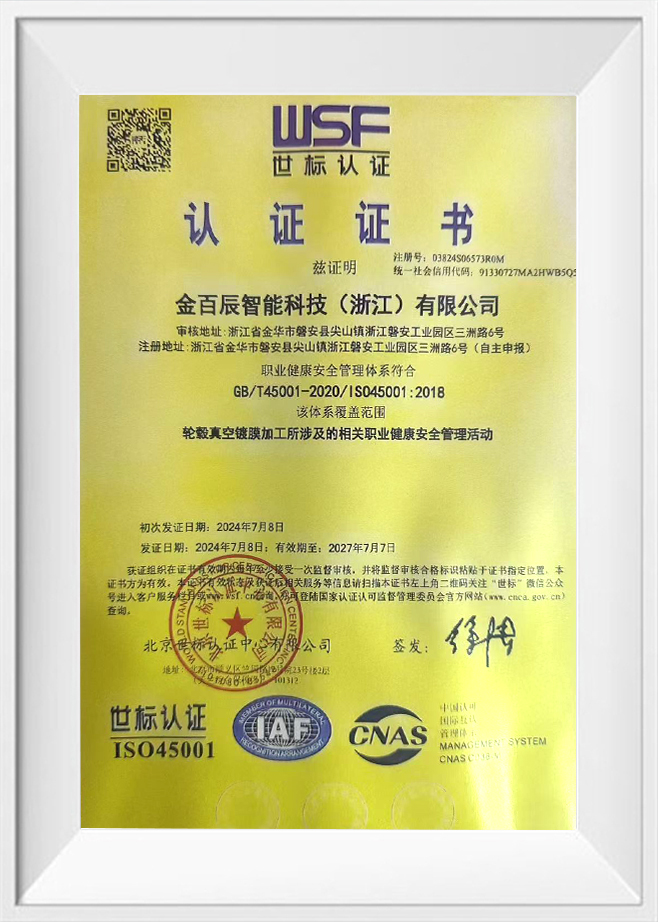
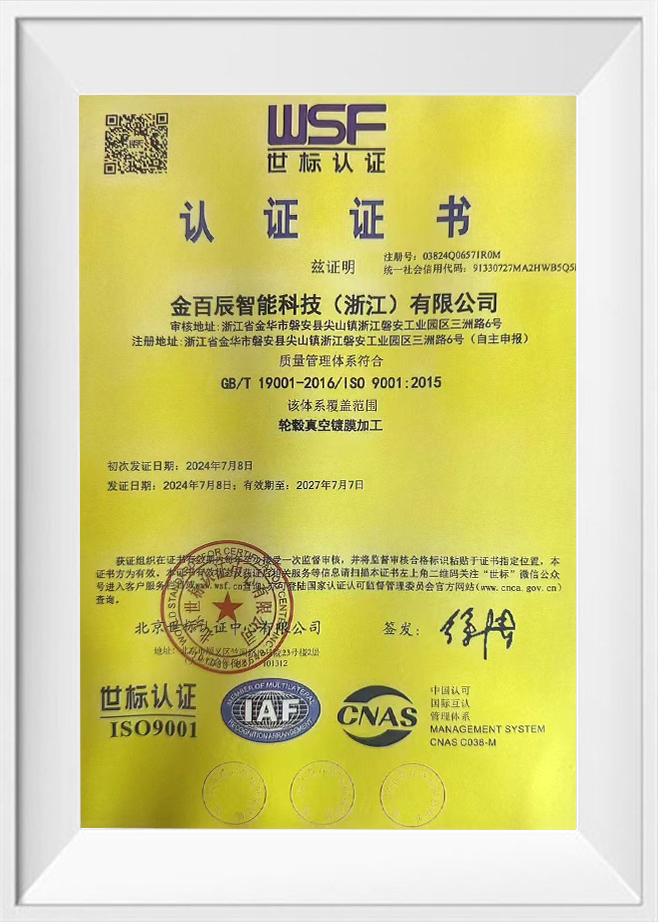
- Environmental compliance: Equipment must meet local and international standards for air emissions, chemical handling, and workplace safety, reducing regulatory risks and ensuring sustainable operation.
By adhering to these environmental and safety measures, manufacturers can maintain a safe production environment while delivering high-performance, reliable coatings that meet both functional and decorative requirements.


 English
  中文简体
中文简体