English
  中文简体
中文简体

Industry News
The technical team of Jinbaichen has over 30 years of experience in the research and development of vacuum coating equipment and technological accumulation.


The technical team of Jinbaichen has over 30 years of experience in the research and development of vacuum coating equipment and technological accumulation.
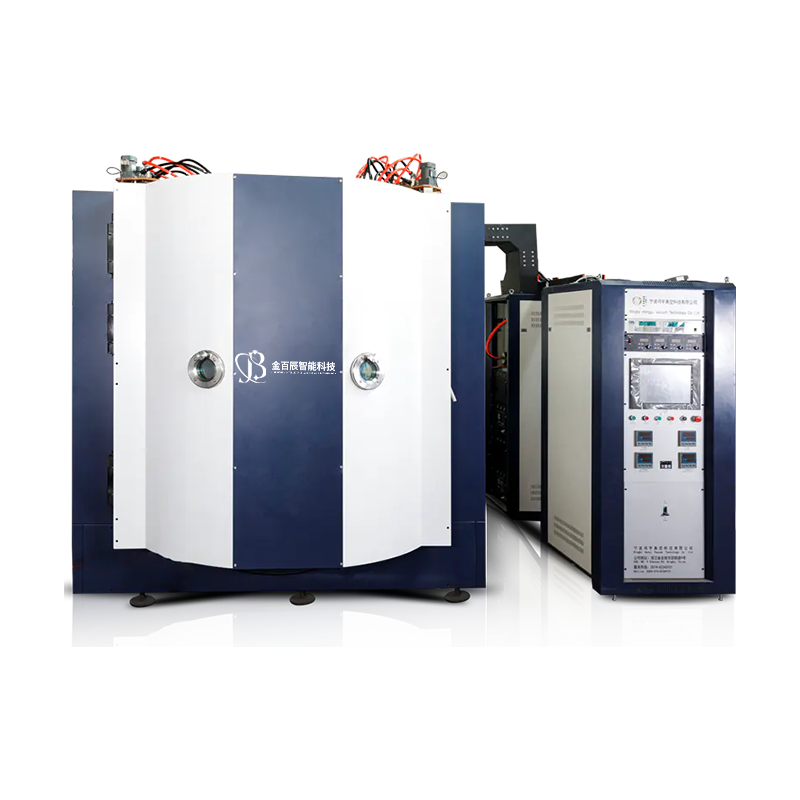
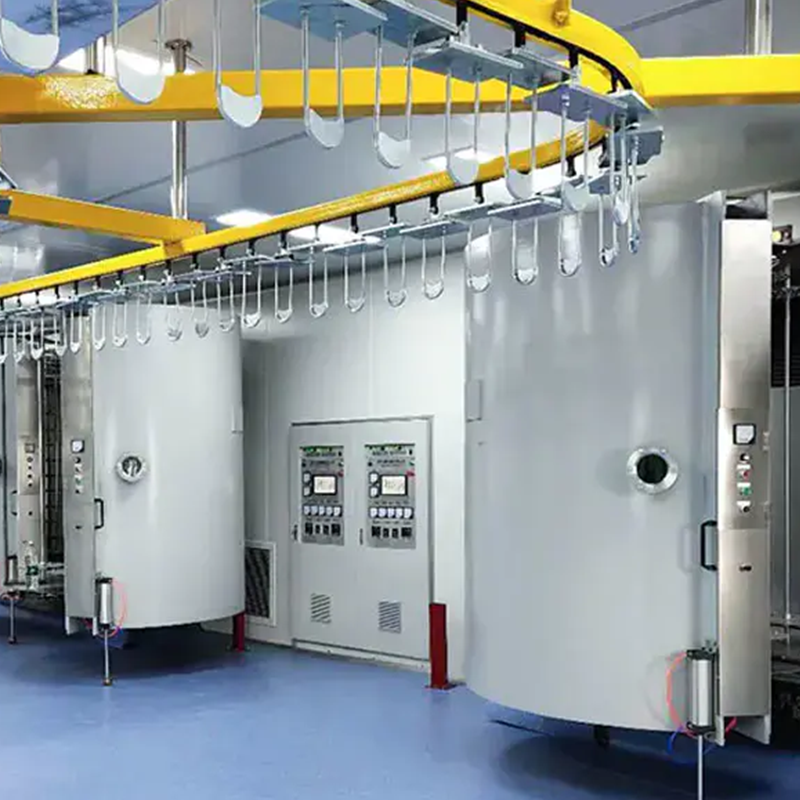
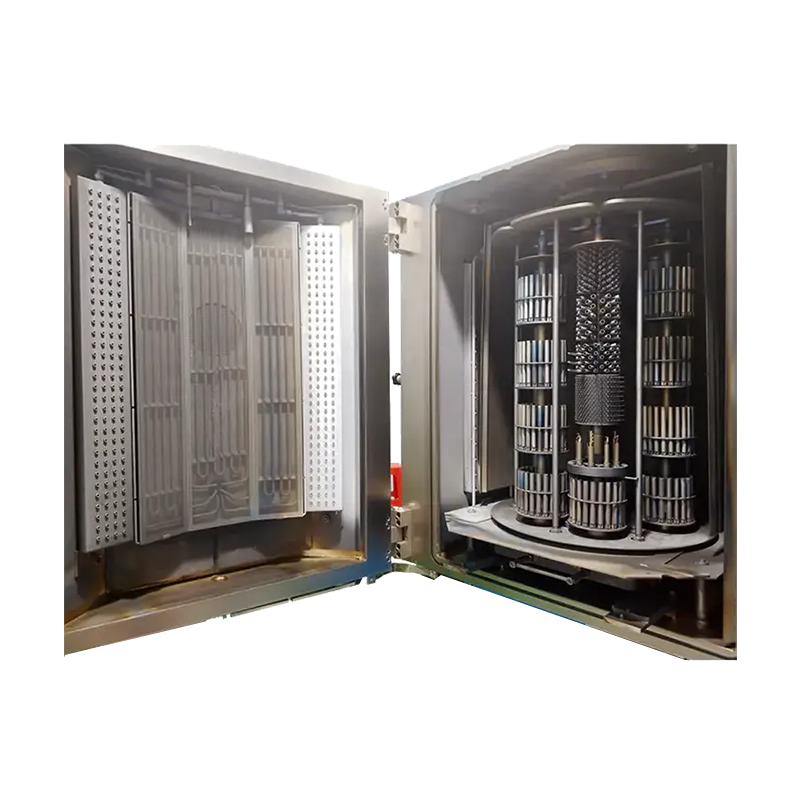
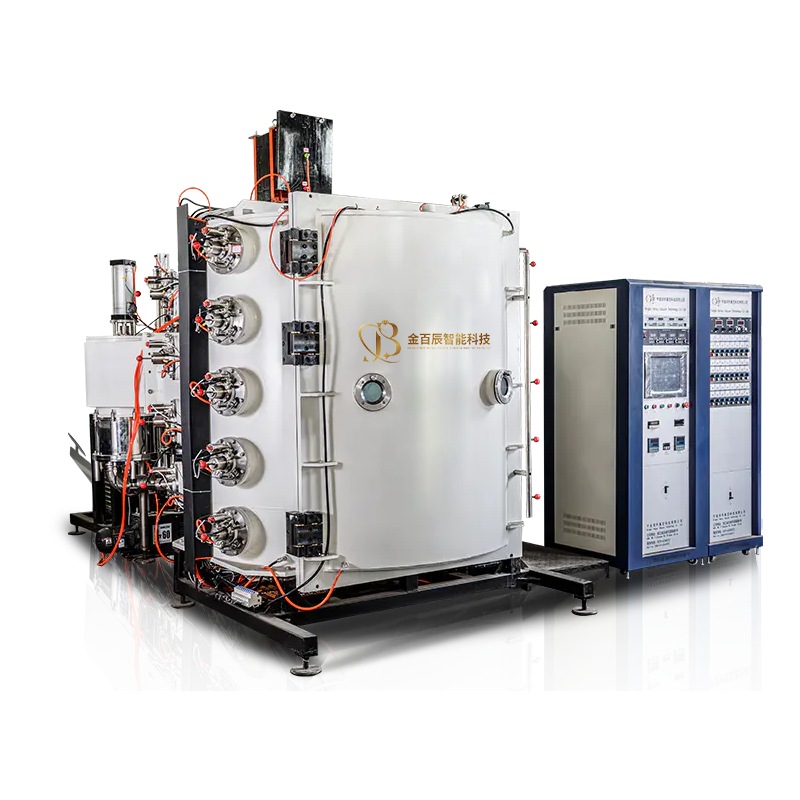
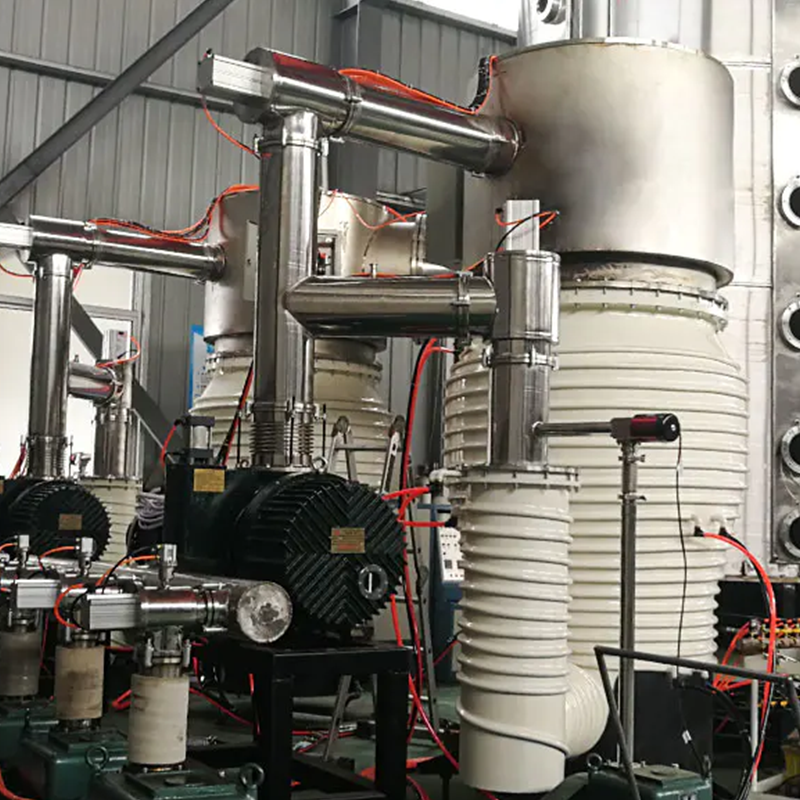
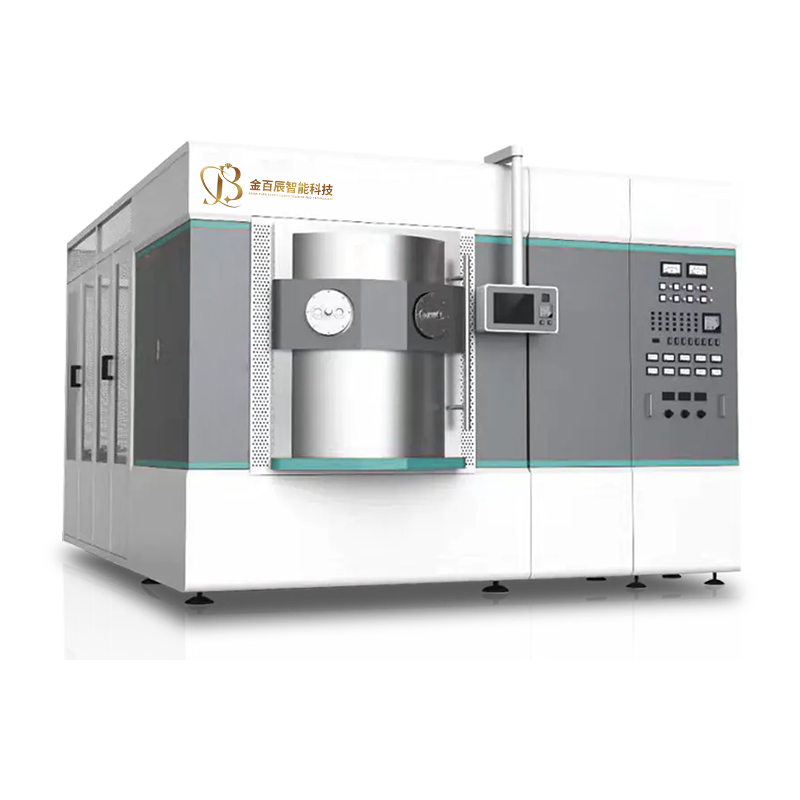
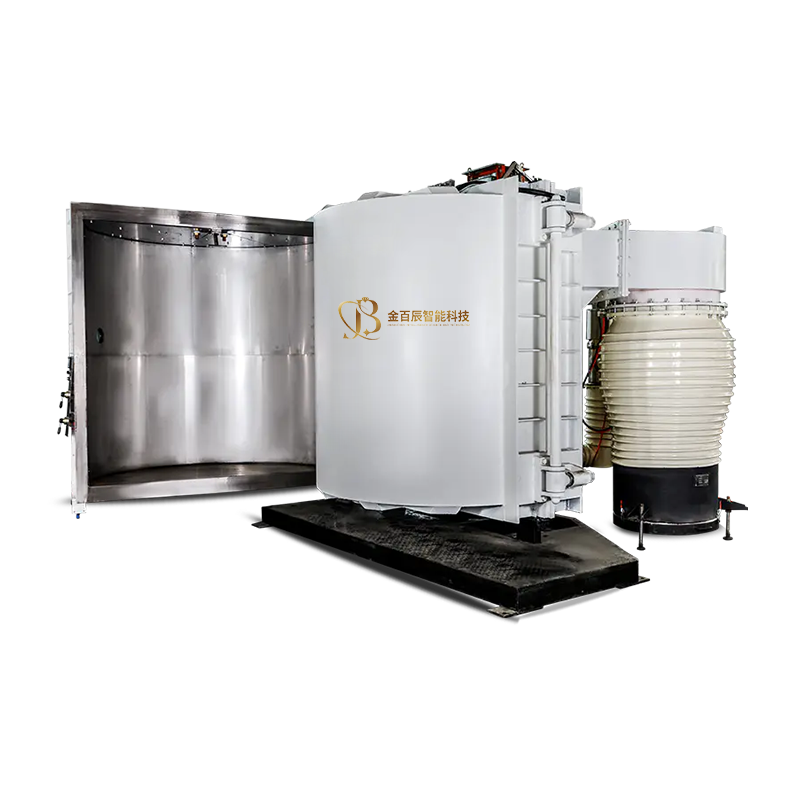
High Vacuum Coating Equipment creates a controlled environment for depositing thin films onto surfaces. The system consists of a vacuum chamber, pumps to remove air, and sources that produce coating material. The chamber gets sealed and evacuated to remove air molecules. The process happens in a near-vacuum environment.
The pumps remove air from the chamber. Mechanical pumps handle the initial evacuation. Diffusion pumps or turbomolecular pumps achieve the high vacuum level. The pressure drops to levels where few molecules remain. The reduced pressure allows coating material to travel from the source to the substrate without collisions.
The coating source provides the material that gets deposited. The source may be heated to evaporate the material. The source may be sputtered by ion bombardment. The material travels across the chamber and condenses on the substrate. The coating builds up atom by atom.
The equipment operates under computer control. The operator sets the process parameters. The computer maintains the conditions. High Vacuum Coating Equipment produces consistent results when properly operated.
Vacuum Coating Technology alters surfaces by adding a thin layer of material. The coating changes the surface properties without changing the substrate. A soft metal can get a hard ceramic coating. A dull surface can get a reflective coating. The substrate retains its bulk properties while the surface gains new characteristics.
The coating bonds to the substrate at the atomic level. The atoms of the coating material land on the substrate surface. They attach to the substrate atoms. The bond creates a strong attachment. The coating does not peel away easily.
The coating changes surface hardness. A hard coating resists scratching. A soft coating may provide lubricity. The hardness depends on the coating material and the process conditions. The coating can be engineered for the specific need.
The coating changes chemical properties. A corrosion-resistant coating protects the substrate. A chemically active coating may provide catalytic properties. The coating material determines the chemical behavior. Vacuum Coating Technology offers a range of coating possibilities.
High Vacuum Coating Equipment can apply various types of coatings. The coating material determines the properties. Different materials provide different characteristics.
Metallic coatings add a metal layer to the surface. Chromium, aluminum, and titanium are common choices. The metal coating provides a reflective surface. The metal layer protects against corrosion. The coating may be applied for decorative or functional purposes.
Ceramic coatings provide hardness and wear resistance. Titanium nitride and other ceramics are common. The coating is very hard. It resists scratching and wear. The coating protects surfaces that experience friction.
Multi-layer coatings combine different materials. One layer provides adhesion. Another layer provides hardness. A top layer provides the desired appearance. The combination offers properties not available in single layers.
| Coating Type | Material Examples | Key Properties | Typical Uses |
|---|---|---|---|
| Metallic | Chromium, aluminum | Reflective, corrosion-resistant | Decorative, mirrors |
| Ceramic | Titanium nitride | Hard, wear-resistant | Cutting tools, bearings |
| Multi-layer | Multiple materials | Combined properties | Specialized applications |
| Conductive | Transparent oxides | Electrical conductivity | Electronics, displays |
Coating thickness plays a key role in determining the final surface texture. Thin coatings follow the contours of the substrate. The surface roughness of the substrate remains visible. The coating does not fill in valleys or cover peaks. The texture reflects the substrate surface.
Thicker coatings begin to smooth the surface. The coating material fills in some of the valleys. The peaks get covered. The surface becomes smoother. The texture changes as the coating thickness increases.
The deposition rate affects thickness uniformity. A steady deposition rate creates uniform thickness across the surface. Variations in rate create thickness variations. The texture variations follow the thickness variations. Uniformity matters for consistent texture.
The substrate preparation affects the final texture. A smooth substrate starts with a smooth surface. A rough substrate remains rough under a thin coating. A thick coating may hide the roughness. The substrate condition interacts with coating thickness.
Vacuum coating modifies surface texture in predictable ways. The coating adds material to the surface. The added material changes the surface profile. The extent of change depends on coating thickness and substrate condition.
Smooth surfaces become smoother with a thin coating. The coating fills microscopic pores and scratches. The surface becomes more uniform. The visual appearance improves. The tactile feel becomes smoother.
Rough surfaces may retain their roughness with thin coatings. The coating follows the surface contours. The peaks and valleys remain. The coating may reduce the sharpness of the peaks. The roughness amplitude decreases slightly.
The surface texture affects how the surface performs. A smooth surface reflects light more uniformly. A smooth surface feels smoother to the touch. The coating can produce the desired surface feel. High Vacuum Coating Equipment creates the texture by controlling the coating process.
Faucets face a challenging environment. Water, cleaning products, and frequent handling all take a toll. The finish needs to survive that environment while maintaining its appearance. High Vacuum Coating Equipment provides a solution.
The coatings applied to faucets resist corrosion. Water does not penetrate the coating. Chemicals do not attack the surface. The finish stays intact through years of use. The coating protects the metal underneath.
The aesthetic requirements for faucets are demanding. The finish should be consistent and attractive. The coating should not vary in color or reflectivity. Vacuum Coating Technology achieves the required consistency. The process produces uniform coatings across complex shapes.
Faucet shapes are often irregular. Curves, corners, and details all need coating coverage. Vacuum coating provides conformal coverage. The coating reaches all surfaces. The coverage is uniform regardless of shape.
The durability of vacuum coatings suits faucet applications. The coating resists wear from handling. The finish does not wear off at contact points. The appearance lasts for the life of the faucet. High Vacuum Coating Equipment produces finishes that meet these demands.
The coating material determines the visual appearance of the finished surface. Different materials create different colors and reflectivities. The choice of material shapes the aesthetic result.
Metallic coatings provide a reflective surface. Chromium coatings produce a bright, silver appearance. Titanium coatings can produce various colors. The color comes from the material itself. The appearance is inherent to the coating.
The surface finish affects appearance. A smooth coating reflects light clearly. A textured coating scatters light. The scattered light appears less reflective. The texture affects the perceived appearance.
The deposition conditions affect appearance. Temperature and pressure influence the coating structure. A dense coating reflects more clearly. A porous coating scatters more light. The process conditions influence the visual result. Vacuum Coating Technology allows control over appearance.
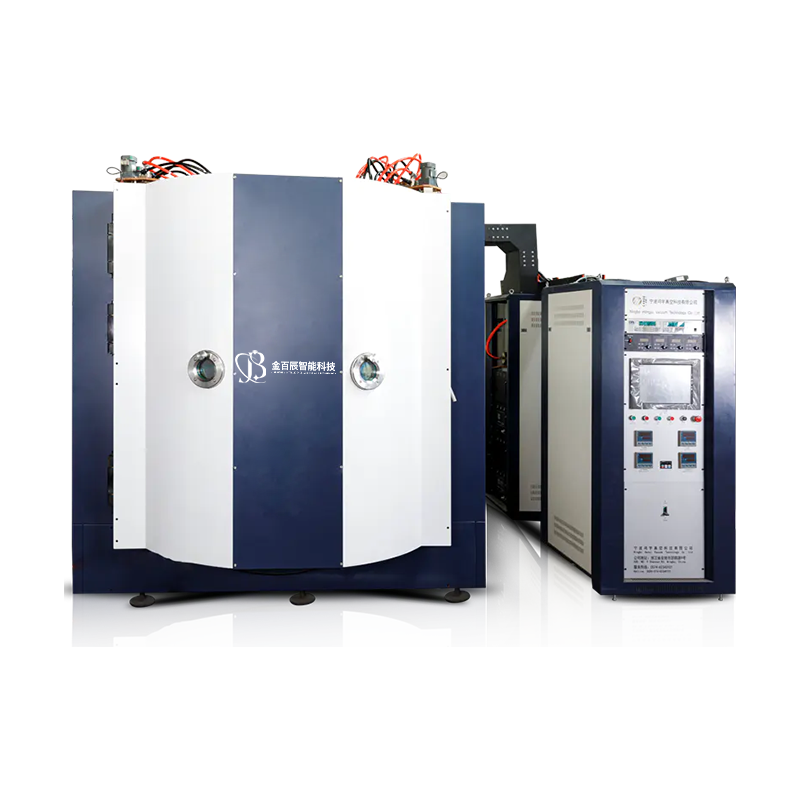
Several parameters control coating quality. The vacuum pressure affects the coating purity. Lower pressure means fewer contaminants in the coating. The pressure must be low enough for the coating material to travel without interference.
The temperature of the substrate influences coating adhesion. A warm substrate allows atoms to move more freely. The atoms settle into a more stable arrangement. Adhesion improves with proper temperature. The coating bonds more strongly to the substrate.
The deposition rate affects coating structure. A slower rate allows more time for atoms to arrange themselves. The coating grows more uniformly. A faster rate produces a more porous structure. The rate must be controlled for good quality.
The substrate preparation affects coating quality. The substrate must be clean. Contaminants interfere with adhesion. The surface should be properly prepared. The cleaning method depends on the substrate material.
| Parameter | Low Setting Effect | High Setting Effect |
|---|---|---|
| Vacuum pressure | Fewer contaminants, better purity | More contaminants, lower purity |
| Substrate temperature | Poorer adhesion | Better adhesion |
| Deposition rate | Denser coating, slower | More porous coating, faster |
| Substrate cleanliness | Good adhesion | Poor adhesion |
Quality control ensures that coating meets specifications. The coated surfaces must be inspected. The inspection verifies that the coating has the required properties.
Visual inspection checks coating appearance. The inspector looks for color variations. The inspector looks for surface defects. The appearance must match the standard. Visual inspection provides quick feedback.
Coating thickness measurement verifies the coating amount. The thickness must be within specification. Thin coatings may not provide adequate protection. Thick coatings may cause problems. The thickness gets measured on sample pieces.
Adhesion testing confirms coating durability. The coating must stay attached to the substrate. Peeling or flaking indicates poor adhesion. The test may involve tape or other methods. Good adhesion is necessary for coating performance.
Choosing vacuum coating equipment involves several factors. The production volume affects the equipment size. A production line needs larger equipment. A research facility may need smaller equipment. The equipment should match the production needs.
The part size determines the chamber size. Large parts need large chambers. Small parts can use smaller chambers. The chamber must accommodate the parts. The equipment size affects cost and space.
The coating type influences equipment selection. Different coatings require different sources. Evaporation sources work for some materials. Sputtering sources work for others. The equipment must support the coating process.
The facility requirements affect the selection. The equipment needs space and utilities. Power, cooling water, and compressed air are needed. The facility must support the equipment requirements. High Vacuum Coating Equipment selection considers all these factors.
 Vacuum Coating Equipment Manufacturer