1. What is an Automotive Lamp Coating Machine?
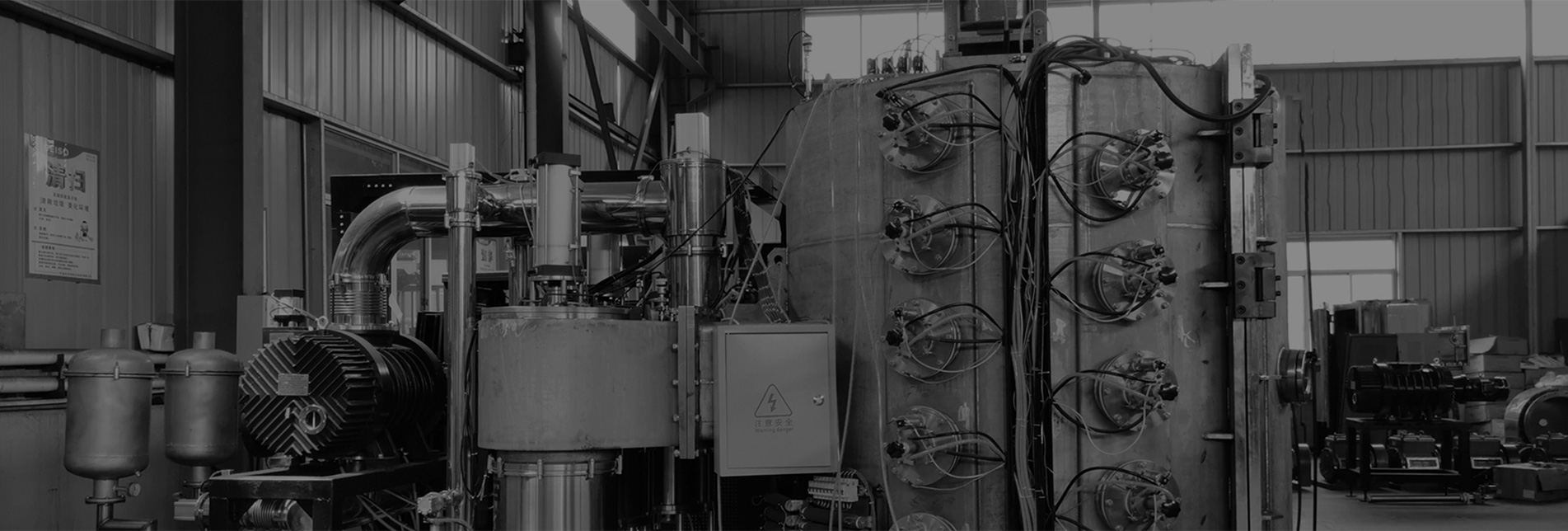
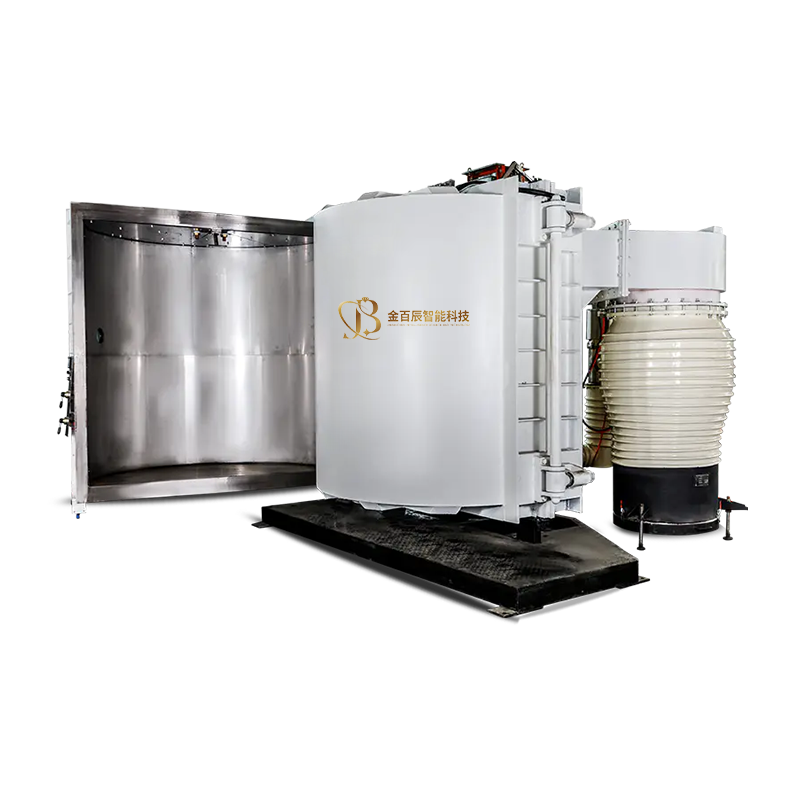
An Automotive Lamp Coating Machine is a specialized vacuum coating system designed to deposit thin films onto automotive lighting components such as headlamps, tail lamps, and turn signal lights. Using advanced Physical Vapor Deposition (PVD) or related vacuum coating technologies, these machines vaporize coating materials under high vacuum and condense them uniformly onto lamp surfaces.
The purpose of this coating is multifold:
- Aesthetic enhancement: Provides metallic, chrome, or colored finishes for decorative purposes.
- Functional protection: Improves scratch resistance, wear resistance, and UV protection.
- Optical performance: Enhances reflectivity, light dispersion, and transparency in specific areas.
Automotive lamp coating machines are designed to handle complex lamp geometries, ensuring uniform coating coverage on curved and irregular surfaces, which is difficult to achieve with traditional spray or dip-coating methods. Advanced models feature programmable deposition cycles, substrate rotation, and multi-layer coating capability to meet both aesthetic and functional requirements.
2. Which Automotive Lamps Are Primarily Suitable for This Equipment?
Automotive Lamp Coating Machines are suitable for a wide range of lamp types, including:
- Headlamps (front lights): Coatings improve reflectivity, light output, and provide a chrome or metallic appearance.
- Tail lamps (rear lights): Coatings can enhance color uniformity, UV resistance, and durability.
- Turn signal lights and indicator lamps: Provide decorative metallic finishes while maintaining optical clarity.
- Fog lights and auxiliary lights: Protect against abrasion and environmental exposure.
The machine's versatility allows it to coat both polycarbonate and glass substrates, handling intricate curves and sharp edges, which is essential for modern automotive lamp designs. In addition, multi-layer coatings can be applied to achieve a combination of decorative and protective functions in a single process.
3. Advantages and Limitations of PVD Automotive Lamp Coating Compared to Traditional Electroplating or Painting
Advantages of PVD Coating:
- Environmentally friendly: Unlike electroplating, PVD does not use toxic chemicals such as chromium or heavy metals, reducing environmental impact and disposal costs.
- Durable coatings: PVD films exhibit high hardness, scratch resistance, and outstanding adhesion to both plastic and glass lamp substrates.
- Aesthetic versatility: Offers a wide range of metallic colors and finishes without the need for additional paints or dyes.
- Precision and uniformity: PVD provides consistent coating thickness even on complex shapes, ensuring both visual and functional quality.
- Low thermal impact: The process can be applied to heat-sensitive plastics without deformation, which is challenging for some electroplating processes.
Limitations of PVD Coating:
- Initial equipment cost: High-quality PVD automotive lamp coating machines require significant upfront investment.
- Process speed: PVD is generally slower than spray painting for large batches, though modern systems can be optimized for production.
- Material limitations: Some coating materials are difficult to deposit via PVD and may require specialized targets or multi-layer processes.
- Surface preparation: Substrates must be carefully cleaned and pre-treated to ensure good adhesion, adding to process complexity.
Despite these limitations, PVD automotive lamp coating is widely recognized in the industry for its combination of aesthetic appeal, durability, and environmentally friendly operation, making it the preferred choice for high-end and mass-market automotive lighting.
4. Additional Benefits of Using High-Quality PVD Automotive Lamp Coating Machines
High-quality PVD automotive lamp coating machines not only improve the appearance and durability of automotive lamps but also enhance production efficiency and consistency. Modern systems allow precise control of coating thickness, uniformity, and color, reducing defects and rework. They also support multi-layer coatings, enabling combined decorative and functional films in a single process. For manufacturers, investing in advanced PVD equipment ensures reliable, repeatable results, improved product value, and compliance with environmental regulations, making it a long-term solution for high-end automotive lighting production.


 English
  中文简体
中文简体