English
  中文简体
中文简体

Industry News
The technical team of Jinbaichen has over 30 years of experience in the research and development of vacuum coating equipment and technological accumulation.


The technical team of Jinbaichen has over 30 years of experience in the research and development of vacuum coating equipment and technological accumulation.
Metal parts used in daily industrial environments often carry marks that are easy to overlook. Cutting residue, light oil film from handling, and small scratches from transport all stay on the surface even when part looks clean. Once coating starts, these small details decide how coating material spreads and attaches.
A smoother-looking part does not always behave the same during coating. Areas with tiny uneven texture can hold coating material differently, which later appears as patchy reflection or slight color difference after finishing. Even fingerprints left during handling may change how coating bonds at a micro level, especially when surface energy is already sensitive.
Before entering Vacuum Coating Technology process, surface preparation usually follows a simple logic in real workshop environments:
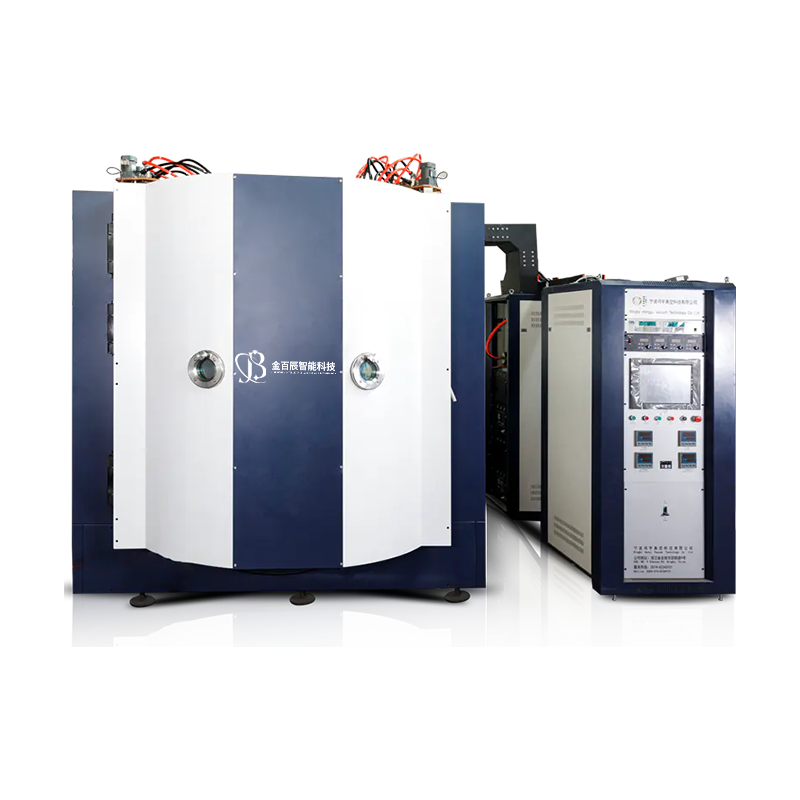
High Vacuum Coating Equipment responds directly to these surface conditions. A clean and stable base surface allows coating particles to attach more evenly. If surface still carries residue, coating may gather in uneven clusters instead of spreading smoothly.
In practical observation, workers often notice a simple pattern: same coating machine, same setting, different surface preparation leads to different final appearance. That difference usually comes from small invisible surface conditions rather than equipment variation.
Inside coating chamber, air is gradually removed until space becomes controlled and quiet in terms of particle movement. What happens inside is not visible, yet surface behavior changes completely compared with normal air environment.
If internal condition shifts during operation, coating particles may drift slightly instead of moving in a stable direction. On flat metal pieces, effect may look small. On curved or angled parts, uneven spread becomes more noticeable after cooling.
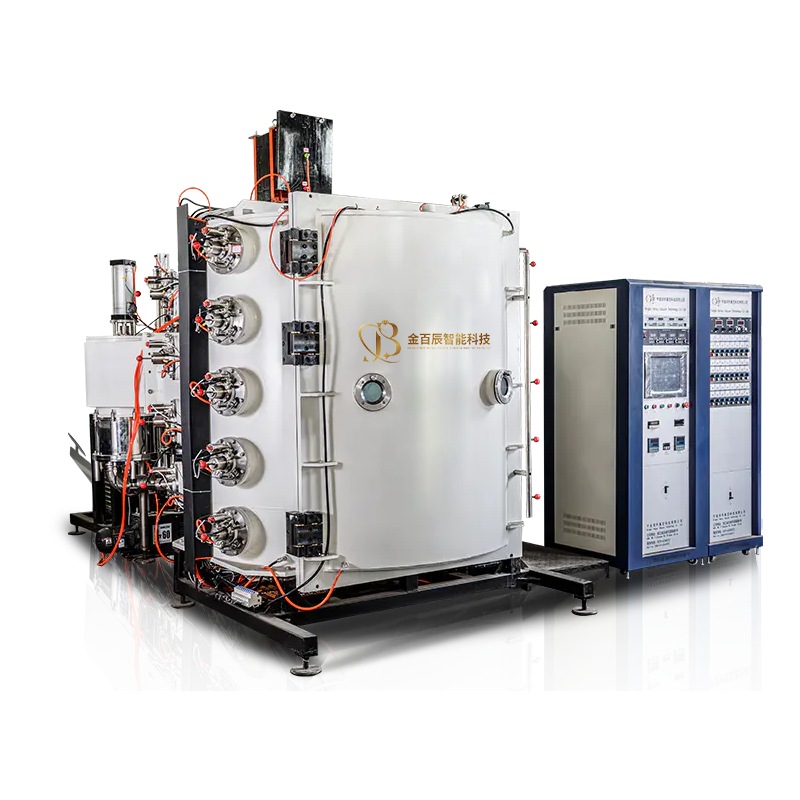
High Vacuum Coating Equipment often includes sealed chamber structure and controlled pumping system. In real use, stability of this space is tested every time door closes and process begins again. Even small leakage at sealing edge can change coating pattern across entire batch of parts.
In workshop practice, some common signs of unstable environment include:
Vacuum Coating Technology depends heavily on this controlled environment. Once internal stability is consistent, coating layer behaves more predictably even when part shape becomes complex.
Different metal parts used in daily equipment or machinery do not react in same way during coating. Some surfaces feel smooth and uniform after machining, others carry grain patterns that influence how coating settles.
Harder metals tend to reflect coating particles differently compared with softer ones. On softer surface, coating may spread more evenly but also become sensitive to small temperature change. On harder surface, coating attachment may feel tighter, yet fine texture may appear more clearly under light.
In real applications, technicians often check metal type before loading parts into chamber, not for classification, but for expected surface behavior.
Practical considerations usually include:
Vacuum Coating Technology does not change metal nature, it follows it. Coating outcome often mirrors what already exists on surface level, just in a more visible form.
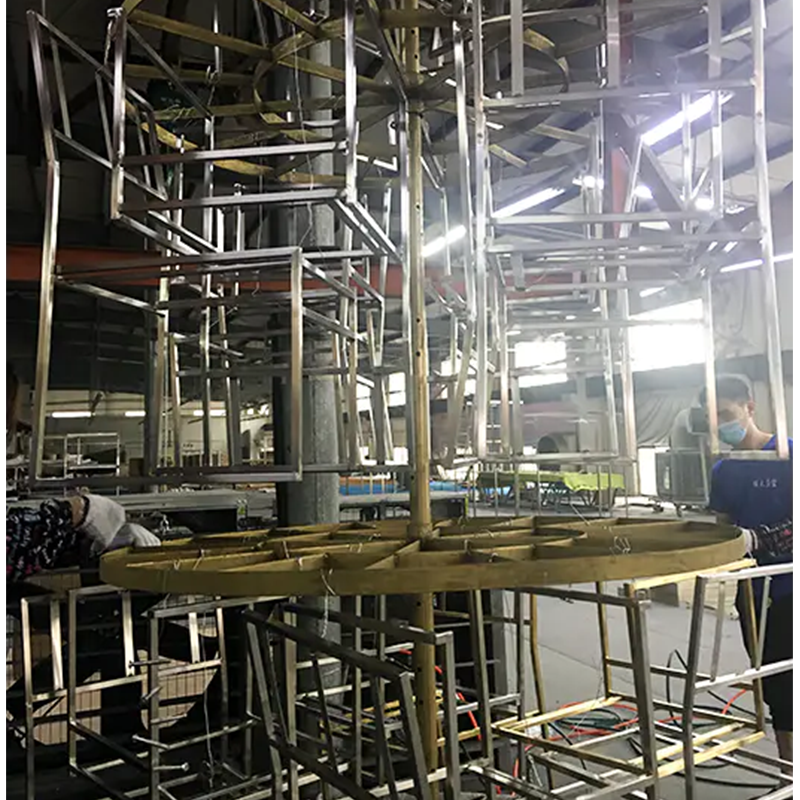
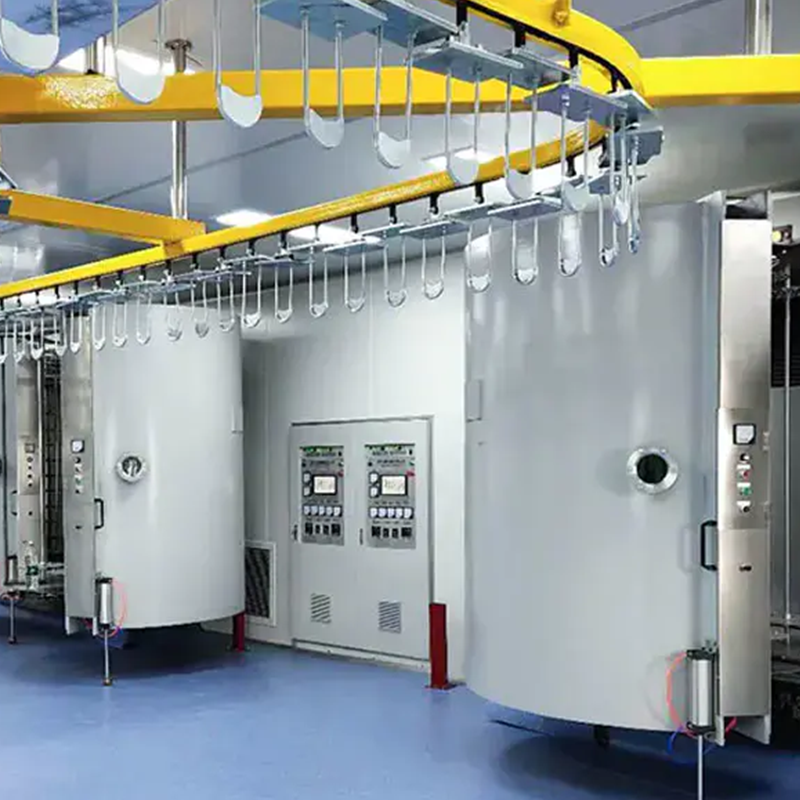
In real production environment, coating result depends not only on surface preparation but also on how chamber system behaves during repeated use. High Vacuum Coating Equipment maintains controlled space where coating material moves in predictable direction.
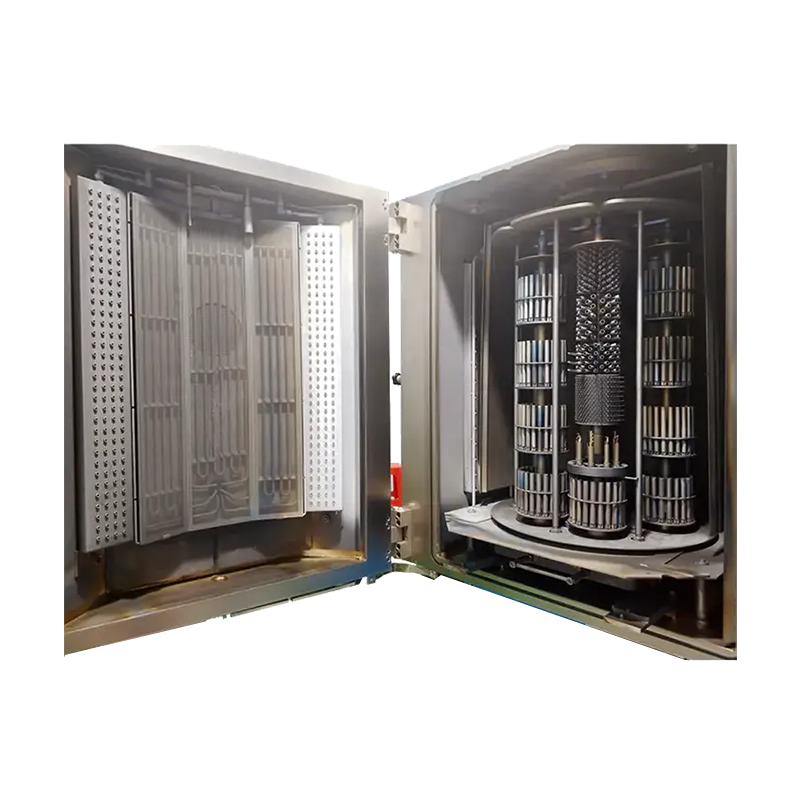
Inside chamber, small structural details matter more than expected. Position of metal parts, spacing between them, and airflow direction inside sealed environment all influence coating uniformity.
Workers often notice differences when loading is not arranged carefully. Parts placed too close may receive uneven coverage, while parts positioned with stable spacing show more consistent surface appearance.
| Condition | What Happens During Coating | Visible Result |
|---|---|---|
| Clean surface + balanced placement | Coating spreads evenly | Stable surface tone |
| Clean surface + crowded placement | Particle overlap in some zones | Patch variation |
| Residue present + stable chamber | Weak bonding areas appear | Uneven texture |
| Residue present + poor placement | Combined irregular coating | Mixed surface marks |
Surface cleaning before coating is not a complex process in practice, yet it has strong influence on final result. In many workshops, cleaning is done through simple wiping, air blowing, or controlled washing, depending on metal type and surface sensitivity.
Oil from hands or machining fluid tends to stay in small grooves that are not easy to see. Dust particles also settle near edges and corners where cleaning tools may not reach easily. If these remain, coating layer may not attach evenly in those zones.
Common practical cleaning steps include:
Vacuum Coating Technology reacts directly to how clean surface feels at microscopic level. Even when surface looks clean visually, hidden residue may still affect coating bonding strength.
In real usage, cleaner surface often leads to more stable coating behavior, especially when parts move from cleaning area to chamber without long exposure to air or handling.
Inside coating chamber, temperature does not stay completely still. Heat comes from equipment operation, then spreads across space in uneven ways depending on chamber shape and load position. Metal parts closer to heating source often respond slightly different compared with parts placed farther away.
When temperature drifts too much from one area to another, coating particles may change movement speed during deposition. On flat surfaces, effect may look subtle. On curved or narrow parts, thickness difference becomes easier to notice under light reflection.
In real workshop use, temperature balance is usually checked together with loading layout. Parts placed too close together may trap heat between surfaces, while scattered placement allows air flow to move more freely.
Practical points often considered during operation:
High Vacuum Coating Equipment often relies on stable internal temperature to keep coating behavior consistent. Even when vacuum condition stays stable, uneven heat distribution alone can still change surface result.
Vacuum Coating Technology works closely with temperature behavior, since coating particles react differently when surface heat changes during deposition phase. Stable thermal condition helps coating settle without sudden variation in thickness or brightness.
Coating thickness does not follow a single fixed pattern in real applications. Metal parts used in different environments require different surface behavior after coating. Some parts need smoother reflection, others need more resistance to wear or contact.
When coating layer becomes too thin in certain areas, base metal tone may appear through surface. When layer becomes too uneven, visual difference becomes visible under side lighting. Control of thickness usually depends on both chamber behavior and surface geometry.
In practice, adjustment often happens through small changes in exposure time or positioning inside chamber, not through large system modification.
Common real-use considerations include:
High Vacuum Coating Equipment supports this process by keeping particle movement controlled inside chamber space. Still, final thickness pattern always reflects surface shape and placement condition.
Vacuum Coating Technology in this stage becomes less about material itself and more about how environment and geometry interact during deposition cycle.
Before coating process starts, workflow planning often decides how smooth entire operation will feel. Metal parts usually pass through several simple stages: cleaning, drying, inspection, loading, coating, and cooling. Each step influences next one.
In many workshops, coordination with surrounding tools and processes also matters. For example, assembly or fastening tasks may happen nearby using pneumatic tools from Air Ratchet Wrench Factory type production lines, where metal parts are prepared before entering coating stage. Timing between these steps affects how clean and stable surface remains before vacuum process begins.
Handling habits also influence final coating result more than expected:
Smooth workflow helps keep surface condition stable from preparation area to chamber entry. Once surface state changes during transfer, coating result may shift even if equipment remains unchanged.
Vacuum Coating Technology depends on this continuity. Each stage connects quietly to next one, and small interruption in handling often shows up later on finished surface.
After coating cycle ends, surface inspection usually focuses on how evenly layer sits on metal part. Instead of complex testing, observation often starts with simple visual checks under different light angles.
Smooth reflection often indicates balanced coating spread. Slight dull patches may suggest uneven deposition or surface contamination before process. Edges and corners receive extra attention, since these areas often reveal airflow or temperature imbalance inside chamber.
Common inspection focus points include:
High Vacuum Coating Equipment performance is often indirectly evaluated through these surface results, since chamber stability and internal control reflect directly on final appearance.
Vacuum Coating Technology at inspection stage becomes visible through surface behavior rather than internal process, making final surface condition the direct feedback from entire workflow.
 Vacuum Coating Equipment Manufacturer