1. What is a Magnetron Sputtering Coating Machine, and How Does It Differ from Traditional Vacuum Coating Machines?
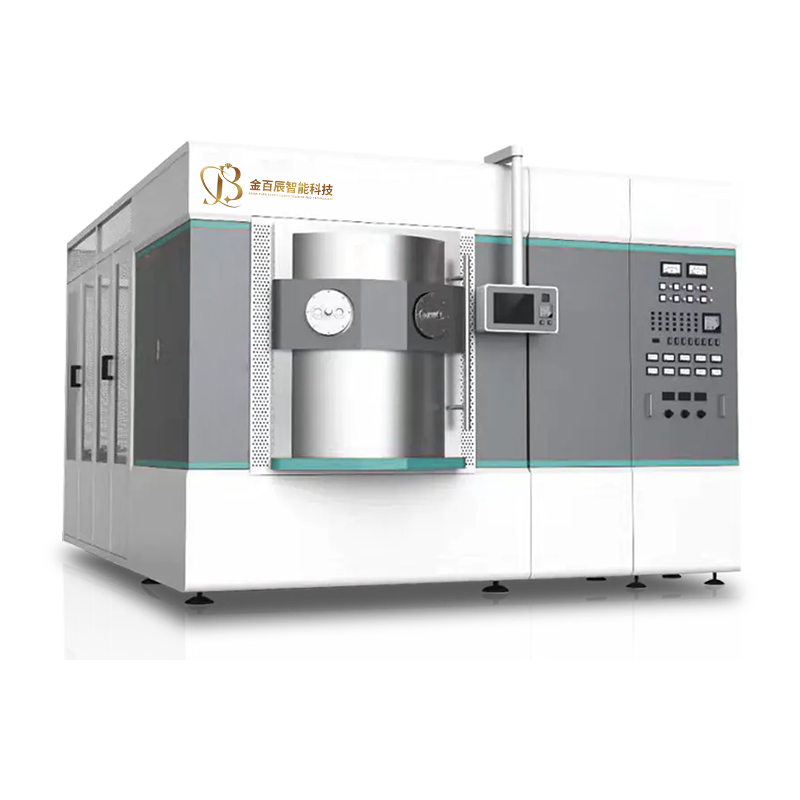
A Magnetron Sputtering Coating Machine is an advanced vacuum deposition system that uses magnetron sputtering technology to deposit thin films onto various substrates. Unlike conventional thermal evaporation or basic vacuum coating techniques, magnetron sputtering employs a magnetic field to confine electrons near the target material, enhancing ionization efficiency and increasing the deposition rate. The target material is bombarded by energetic ions, causing atoms to be ejected and deposited onto the substrate surface.
Key differences compared to traditional vacuum coating equipment include:
- Deposition method: Traditional vacuum systems often rely on thermal evaporation, where the material is simply heated until it vaporizes. Magnetron sputtering, by contrast, uses plasma ion bombardment, allowing deposition of materials with high melting points or complex compositions.
- Film quality and uniformity: Magnetron sputtering produces dense, highly adherent, and smooth films with outstanding uniformity, even on large or complex substrates.
- Material versatility: Magnetron sputtering can deposit metals, alloys, oxides, nitrides, and transparent conductive films that may be difficult to achieve with conventional vacuum evaporation.
- Process control: Parameters such as power, pressure, and magnetic field configuration can be finely tuned to achieve precise thickness, microstructure, and optical or electrical properties.
- Environmental advantages: Unlike some traditional methods, magnetron sputtering generates less waste and avoids toxic chemicals used in electroplating.
Magnetron sputtering machines offer higher precision, better film performance, and wider material compatibility compared to traditional vacuum coating equipment.
2. Suitable Substrates and Coating Materials for Magnetron Sputtering Vacuum Coating Machines
Magnetron sputtering vacuum coating machines are versatile and compatible with a wide range of substrates:
- Metals: Stainless steel, aluminum, copper, titanium, and other engineering metals.
- Plastics and polymers: Polycarbonate, ABS, PMMA, and other thermoplastics commonly used in automotive, consumer electronics, and optical applications.
- Glass and ceramics: Optical lenses, display panels, and decorative glass products.
The machine is also capable of depositing a variety of coating materials, depending on the desired functional or decorative properties:
- Metallic coatings: Chromium, titanium, aluminum, gold, silver, and alloys for aesthetic finishes or corrosion resistance.
- Oxide coatings: Titanium dioxide (TiO₂), silicon dioxide (SiO₂), and other oxides for optical, dielectric, or protective purposes.
- Nitride coatings: Titanium nitride (TiN), chromium nitride (CrN), and other hard coatings for wear resistance.
- Transparent conductive films: Indium tin oxide (ITO) and similar materials for touch screens, photovoltaic cells, and display applications.
The ability to deposit multi-layer and compound films makes magnetron sputtering suitable for industries ranging from automotive and aerospace to electronics, optics, and decorative hardware.
3. Key Supplier Capabilities to Consider When Purchasing a Magnetron Sputtering Coating Machine
When selecting a supplier for a magnetron sputtering vacuum coating machine, several factors should be evaluated:
- Technical expertise: The supplier should have a proven track record in designing and manufacturing high-quality sputtering equipment, with deep knowledge of magnetron plasma physics and deposition processes.
- Customization and flexibility: Capable suppliers offer tailored solutions, such as different chamber sizes, target configurations, substrate handling systems, and multi-layer deposition options to meet specific production requirements.
- Process support and R&D: A strong supplier provides guidance on process optimization, coating recipes, and troubleshooting to achieve consistent and reproducible results.
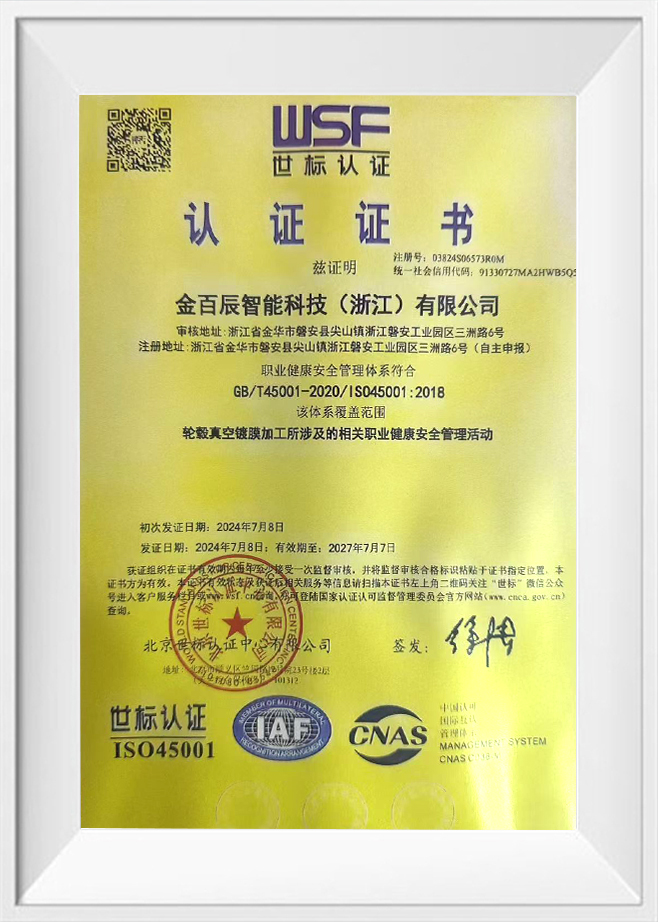
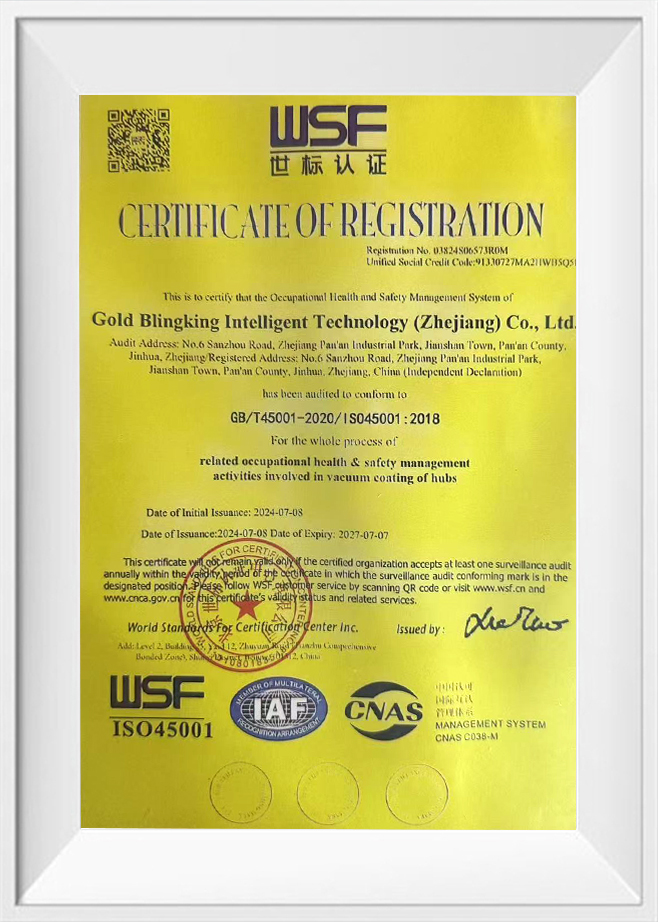
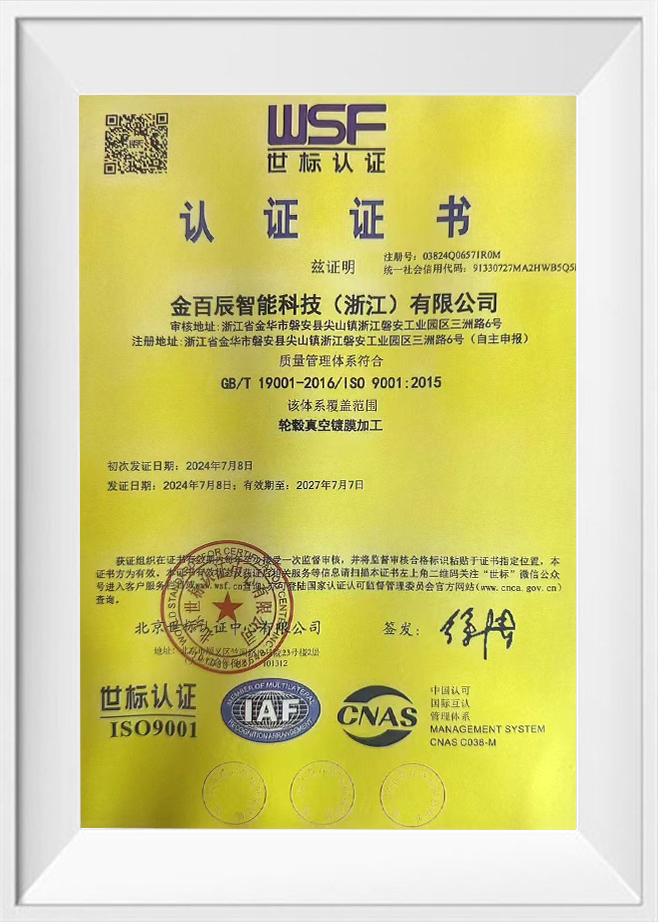
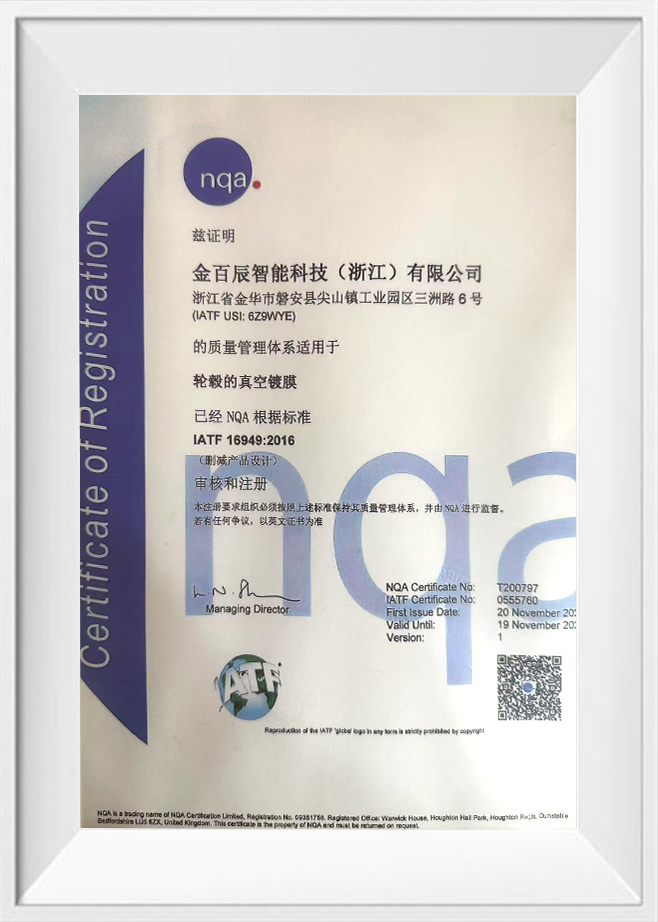
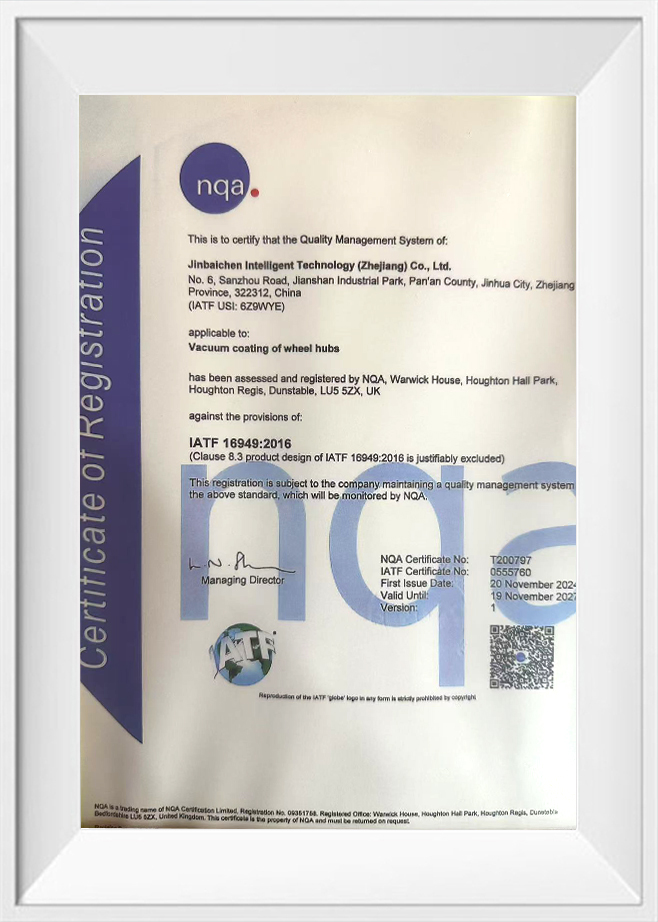
- Quality control and certifications: Look for ISO certification, robust quality assurance, and inspection protocols to ensure reliability and long-term performance of the machine.
- After-sales service: Prompt technical support, training, and spare parts availability are essential for minimizing downtime and maintaining production efficiency.
- Integration and automation: Advanced suppliers can offer systems with automated substrate loading, real-time thickness monitoring, and process control software for high-volume production.
- Sustainability and safety: The equipment should comply with environmental and safety standards, minimizing waste, energy consumption, and operator hazards.
Choosing the right supplier ensures not only high-quality deposition results but also long-term operational reliability and efficiency, allowing manufacturers to maintain competitive advantages in their industries.


 English
  中文简体
中文简体