English
  中文简体
中文简体

Industry News
The technical team of Jinbaichen has over 30 years of experience in the research and development of vacuum coating equipment and technological accumulation.


The technical team of Jinbaichen has over 30 years of experience in the research and development of vacuum coating equipment and technological accumulation.
Kitchen hardware lives in a demanding environment. Handles get touched all day, fittings stay close to water and steam, and metal parts are wiped again and again during routine cleaning. Over time, that kind of use leaves marks on surfaces, even when the hardware itself remains structurally sound.
A product may still work properly while the outer layer starts looking worn. Fingerprints, water spots, light scratches, and cleaning residue can all change the way a piece of hardware appears in the kitchen. That is one reason surface treatment has become a regular part of production instead of an afterthought.
Vacuum Coating Technology is used to add a thin layer onto a hardware surface under controlled conditions. The purpose is not to change the whole material, but to give the outer layer a different character. In many kitchen hardware applications, the outer surface is what people notice and touch every day, so keeping that surface stable matters just as much as keeping the part strong.
Different kitchen components need different treatment. A handle that gets touched many times has another kind of wear pattern compared with a fitting installed near water. A decorative metal piece may care more about appearance, while a working part may care more about durability and cleaning. Because of that, coating is usually matched to the role of the product rather than used in one fixed way across every item.
Kitchen conditions are not gentle on metal surfaces. Water, heat, grease, and repeated contact all leave their trace in normal use. A handle may look fine on day one, then slowly begin to show a different surface feel after regular cleaning and constant touching. The change is usually gradual, yet it becomes visible over time.
Moisture is one of the common issues. Around sinks and washing areas, drops of water often remain on the surface for a while. If the surface is not prepared well, that contact may influence appearance and make cleaning less convenient later on.
Frequent cleaning brings another set of concerns. Kitchen hardware is usually wiped often to remove dust, oil, and marks from hands. A surface that reacts poorly to repeated cleaning may begin to lose its finish sooner than expected.
A few common surface stresses appear again and again in kitchen use:
Because the kitchen environment changes so often, surface treatment becomes part of practical design. Manufacturers need a way to protect the visible layer without making the part harder to use or harder to clean.
Vacuum coating gives another option for handling those conditions. Instead of relying only on the base material, the outer layer can be adjusted to support everyday use in a more controlled way.
The basic idea behind Vacuum Coating Technology is straightforward. Hardware parts are prepared, placed into controlled equipment, and given a thin surface layer that changes how the outside of the material behaves. The process is careful, because the quality of the surface depends on how each stage is handled.
Before coating starts, cleaning matters a great deal. Any dust, oil, or leftover particles on the surface may interfere with how the coating settles. A clean part usually gives the coating a better foundation.
After that, hardware pieces are loaded into the equipment. Once the process begins, coating material moves toward the surface and forms a layer under controlled conditions. The original shape of the hardware does not change, though the outer finish does.
Kitchen hardware often comes in different shapes, sizes, and edge details. Some pieces are flat, some have curves, and some include small corners that need even treatment. Because of those differences, coating work needs to match the product structure rather than treating every part the same way.
The value of Vacuum Coating Technology lies in that controlled surface change. It helps manufacturers add surface protection while still keeping the design of the original part intact.
Many kitchen hardware parts can benefit from surface coating, though each part has its own priority. A handle is touched often, so comfort and appearance matter. A fitting near a sink may care more about moisture exposure. A decorative part may focus on visual effect and surface feel.
Cabinet handles are one of the clearest examples. Since they are used many times a day, the surface needs to hold up under repeated touch and cleaning. A suitable coating can help the handle stay presentable during ordinary use.
Metal fittings around kitchen areas also face regular exposure to moisture. Those parts may not stand out visually, though their surface still needs to remain stable.
| Kitchen Hardware Part | Main Surface Concern |
|---|---|
| Cabinet handles | Frequent touch and cleaning |
| Metal fittings | Moisture exposure |
| Decorative pieces | Surface appearance |
| Kitchen accessories | Daily wear and maintenance |
| Functional metal parts | Long-term surface stability |
Different products ask for different surface goals. A decorative element may require a smooth and even appearance, while a working part may need a surface that stands up better to daily contact. Manufacturers usually decide according to how the product will be used once it leaves the factory.
The coating process also has to respect the shape of the part. Curved pieces, narrow sections, and small details all affect how the surface layer is applied. Product structure and coating method have to work together.
Surface preparation is often the stage that decides whether coating behaves in a stable way or runs into trouble later. A hardware part can have a good coating method, though the result still depends heavily on what the surface looks like before processing.
Cleaning is the starting point. Oil, dust, and other residue left on the metal can interrupt how the coating attaches. A cleaner surface gives the coating a clearer path to settle and form evenly.
Material type also matters. Different base metals may react in different ways during processing. That is why manufacturers usually look at the base material before choosing the coating method.
A few preparation points often come up before coating begins:
Preparation is not always visible in the final product, yet it has a strong influence on how the finished surface behaves during use.
When the surface is prepared well, the coating layer has a better chance of remaining even and consistent. That makes a difference in kitchen hardware, where parts are touched, cleaned, and exposed to moisture again and again.
Kitchen hardware parts are not all made in the same way. A cabinet handle, a faucet accessory, and a small decorative fitting may look similar from a distance, yet their shapes, materials, and surface requirements can be quite different. Because of that, coating equipment needs to adapt to different production situations.
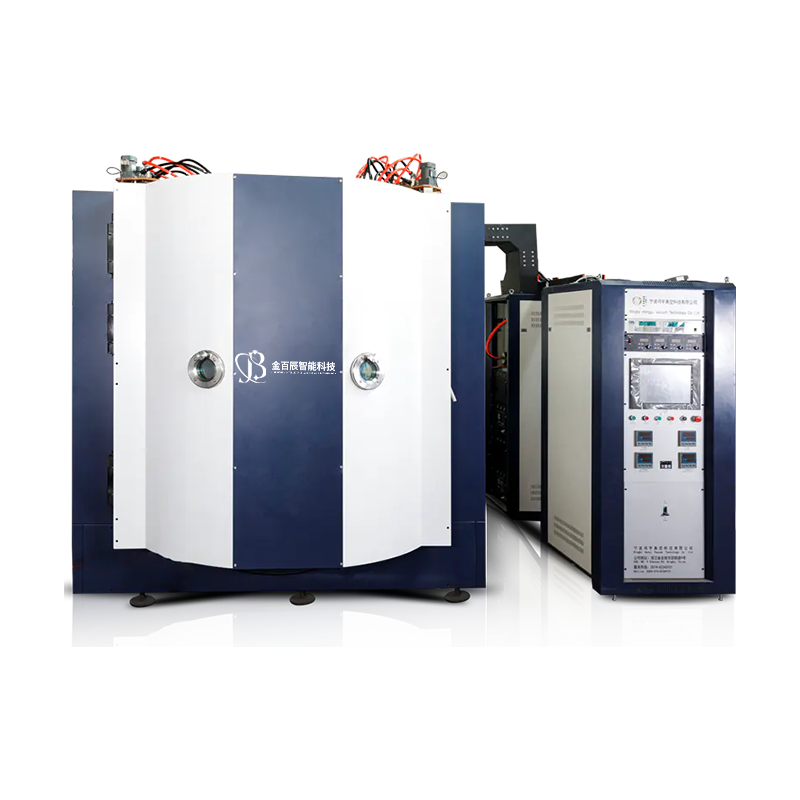
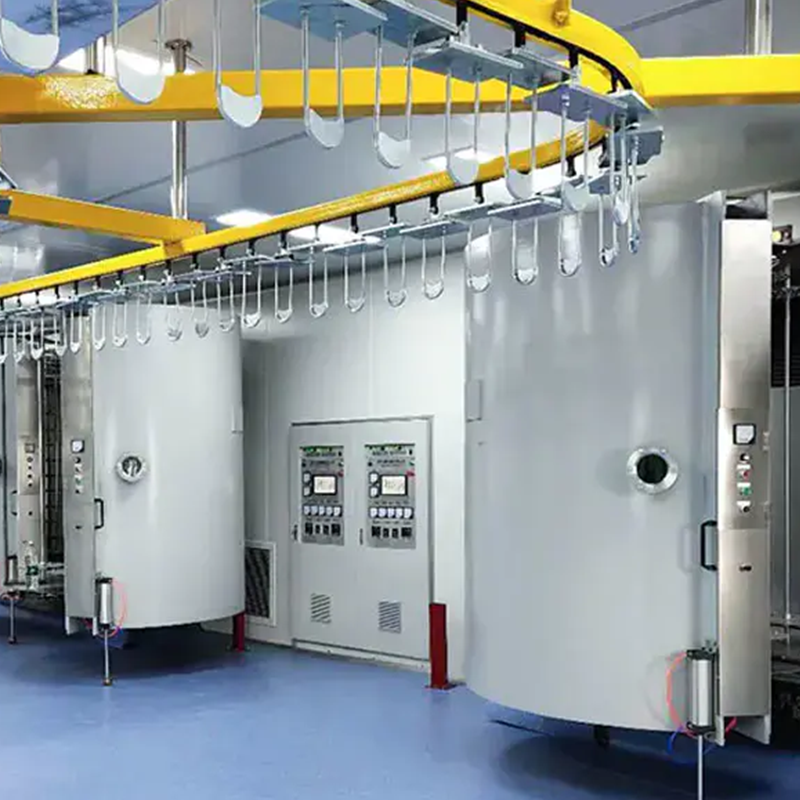
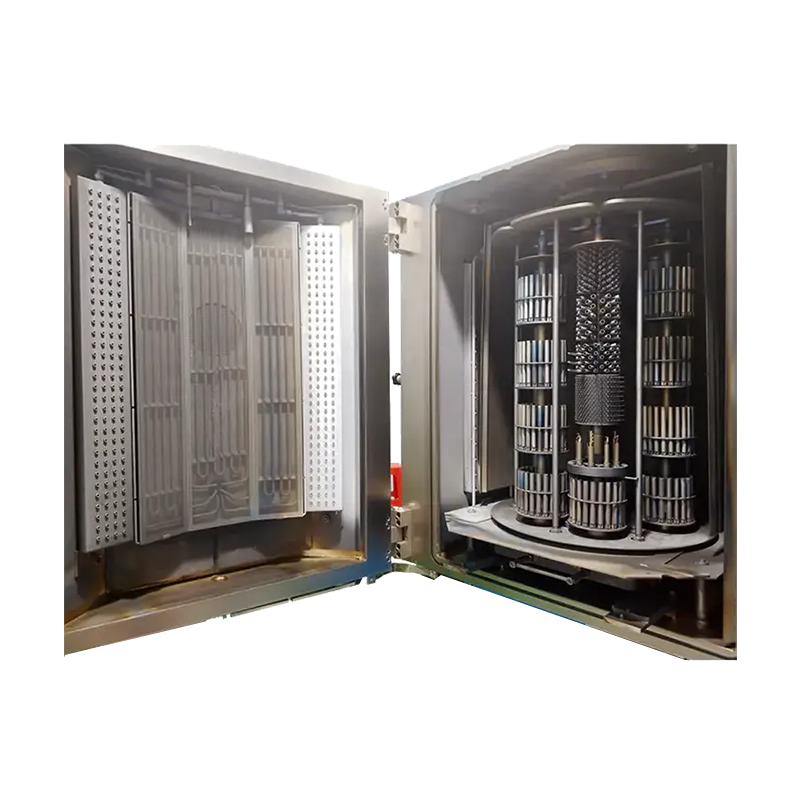
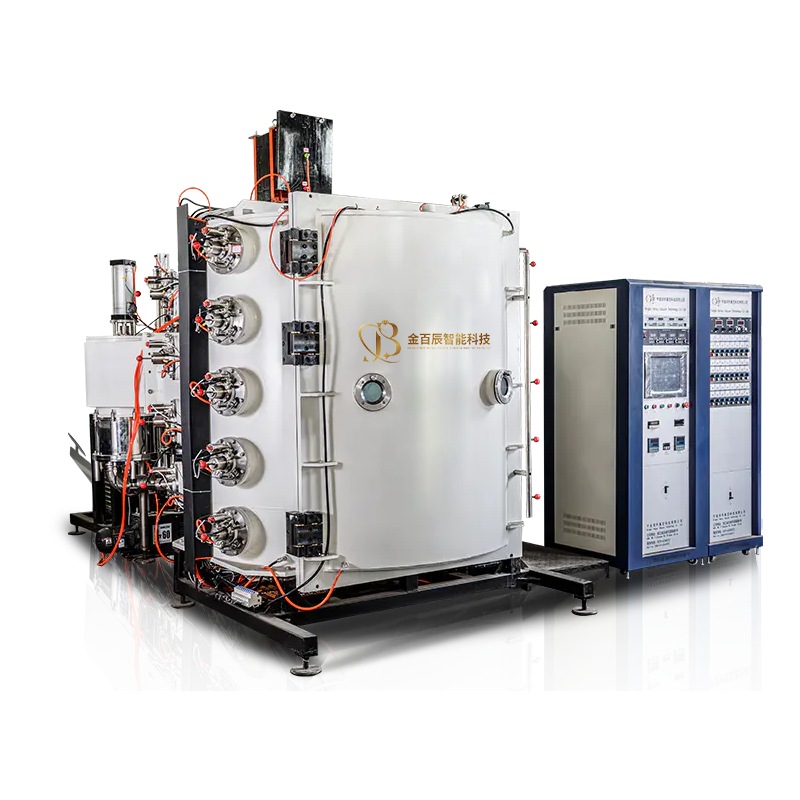
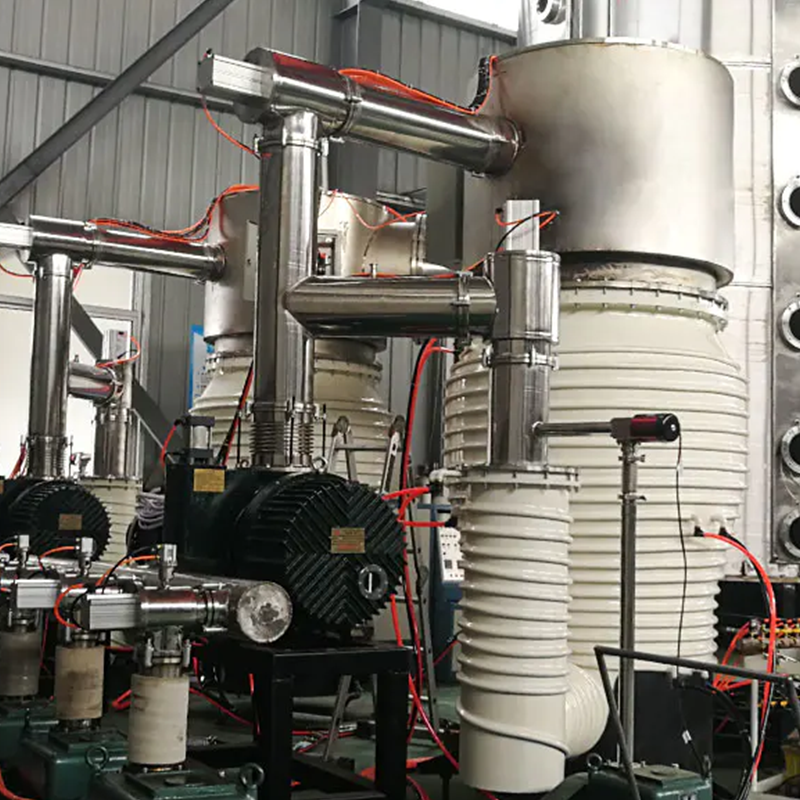
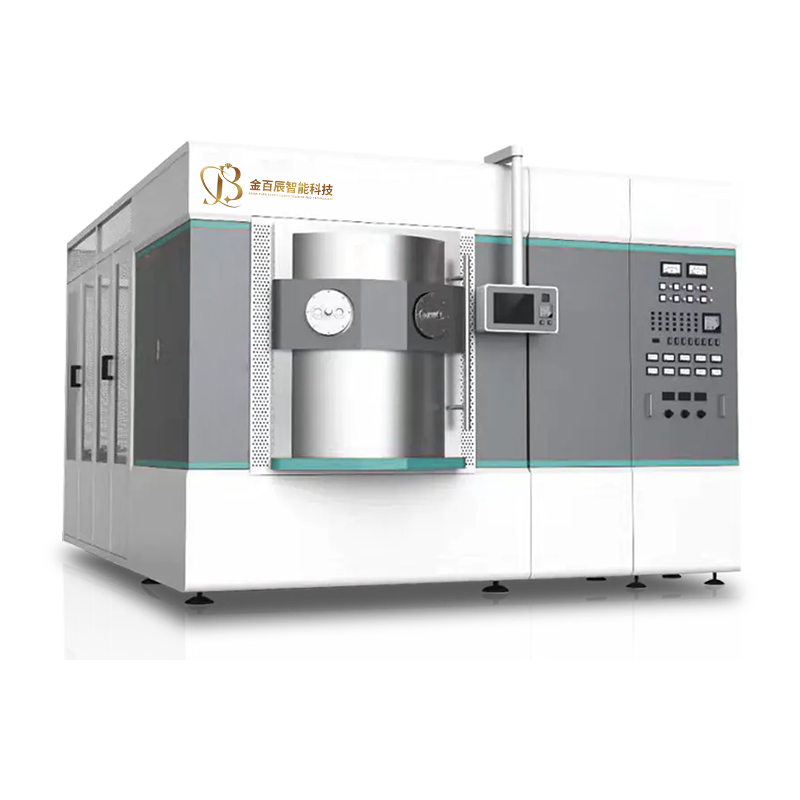
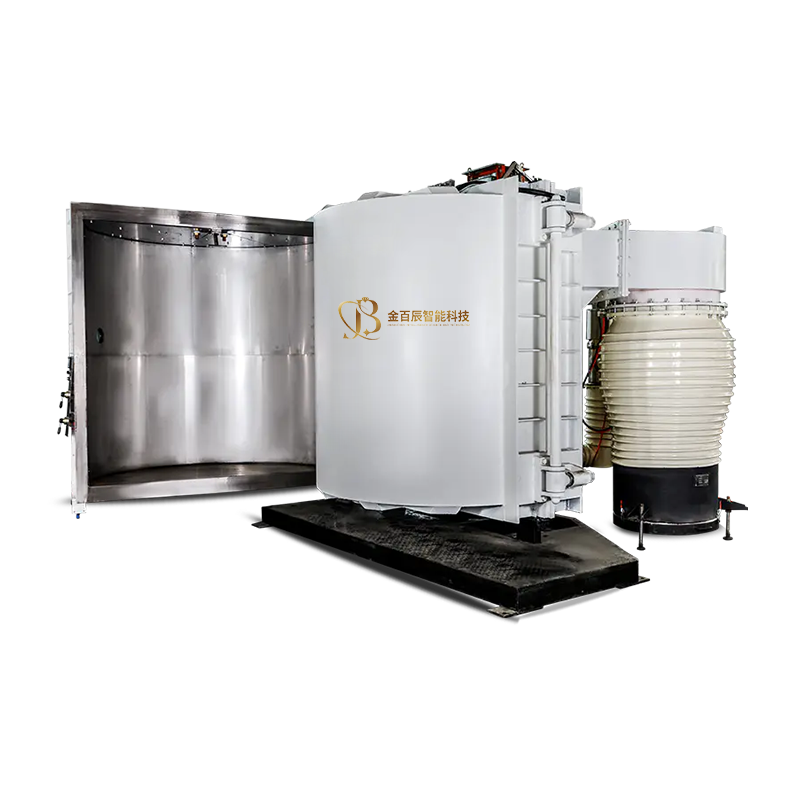
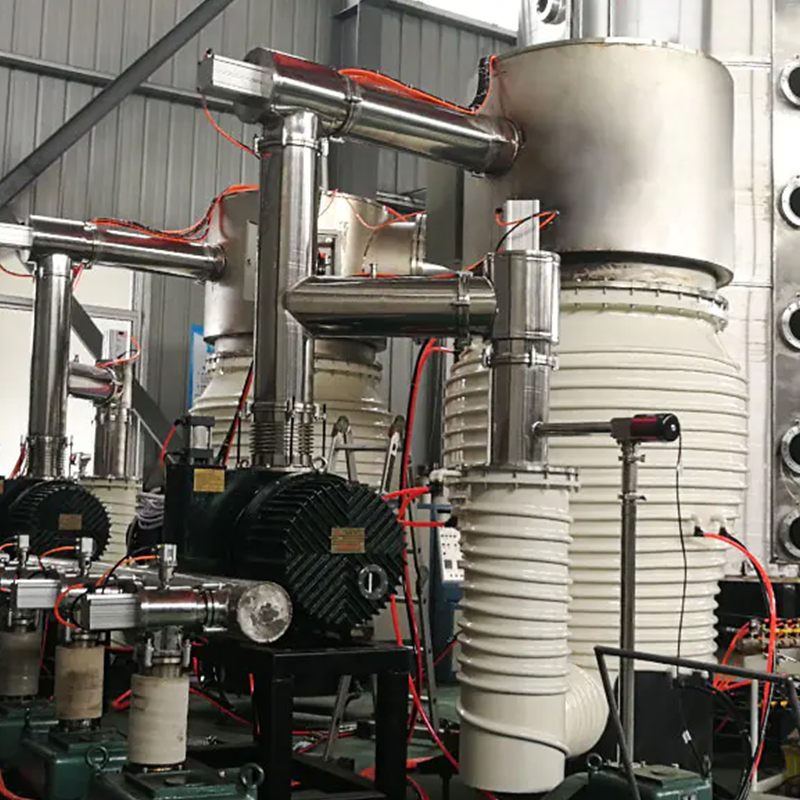
Multi Arc Ion Vacuum Coating Equipment is used in some hardware coating processes to help apply surface layers onto metal products. The equipment provides a controlled space for coating work, allowing manufacturers to manage how the surface layer forms during processing.
During actual production, many details can affect the final surface condition. Product placement, preparation quality, material type, and equipment settings all have a connection with the coating result. A small difference during one stage may influence the appearance or stability of the finished surface.
For kitchen hardware manufacturers, equipment selection usually starts with the product itself. Factors often considered include:
A straight metal part and a curved handle may require different handling during coating. Small corners or detailed areas can create challenges because the surface layer needs to cover different sections of the product.
For this reason, Multi Arc Ion Vacuum Coating Equipment is not viewed as a separate part of production. It works together with material preparation, product design, and coating methods to support the overall manufacturing process.
Coating quality does not depend on equipment alone. Several steps before and during production influence how the final surface looks and performs.
The original condition of the hardware is an important factor. A surface with dust, oil, or other residue may create problems during coating. Proper preparation helps create a cleaner base for the coating layer.
Material type also affects the process. Different metals may have different surface characteristics, so manufacturers need to consider how the coating method works with each material.
| Influencing Factor | Effect On Coating Process |
|---|---|
| Surface condition | Influences coating attachment |
| Base material | Affects processing compatibility |
| Equipment condition | Supports stable operation |
| Product structure | Changes coating coverage needs |
| Maintenance routine | Helps keep equipment working properly |
Product structure deserves attention because kitchen hardware often contains curves, edges, and narrow sections. A coating process needs to handle these areas carefully so that the surface remains consistent.
Production management also plays a role. Equipment inspection, operator handling, and regular process checks can influence the stability of coating work.
A coating layer is the result of several connected steps. Materials, preparation, equipment, and operation all contribute to the final condition of the hardware surface.
Kitchen hardware needs regular care because it is closely connected with daily activities. Handles are touched frequently, fittings may contact water, and surfaces are often cleaned after cooking.
A suitable surface layer can help reduce the impact of common daily conditions. For users, easier cleaning is often one of the practical concerns when choosing kitchen hardware.
Surface treatment may support maintenance by:
Coating does not replace normal cleaning. Kitchen hardware still needs proper care during use. The purpose of surface treatment is to provide additional support between the material and the environment.
Manufacturers consider maintenance because kitchen products are used continuously after installation. Unlike decorative items that are rarely touched, kitchen hardware becomes part of daily routines.
A surface that matches the working environment can make regular care easier and help maintain the intended condition of the product.
Selecting coating equipment requires attention to the whole production process. A machine is not chosen only by its coating function. Manufacturers also consider whether it fits the product design, working process, and maintenance requirements.
Kitchen hardware production often involves different product categories. Some parts may require a focus on surface appearance, while others need more attention to daily contact conditions.
Several points are commonly considered during equipment selection:
A suitable coating system needs to match the actual situation of the factory. Equipment that fits product characteristics can make production steps easier to organize.
Multi Arc Ion Vacuum Coating Equipment may support manufacturers that need controlled surface treatment for metal hardware. Its value depends on how well it matches the materials, products, and production methods being used.
Coating equipment is only one part of the process. Surface preparation, material choice, and careful operation remain important throughout manufacturing.
Kitchen hardware continues to change as users pay more attention to appearance, cleaning, and everyday convenience. Surface treatment methods also adjust as product requirements change.
Manufacturers are looking at ways to combine hardware design with coating technology so that products can better fit different kitchen environments. A surface layer can influence not only how a product looks, but also how it feels and performs during regular use.
Future production considerations may include:
The connection between product design and surface treatment is becoming closer. A kitchen hardware part is not judged only by its shape. Surface condition also affects how people experience the product after installation.
Vacuum Coating Technology provides a practical approach for improving metal surfaces during kitchen hardware production. When combined with suitable materials, careful preparation, and proper equipment operation, it helps manufacturers manage surface treatment according to different product needs.
Multi Arc Ion Vacuum Coating Equipment plays a role within this process by supporting controlled coating operations. Its application depends on product structure, material choice, and manufacturing conditions rather than a single fixed method.
 Vacuum Coating Equipment Manufacturer