English
  中文简体
中文简体

Industry News
The technical team of Jinbaichen has over 30 years of experience in the research and development of vacuum coating equipment and technological accumulation.

The technical team of Jinbaichen has over 30 years of experience in the research and development of vacuum coating equipment and technological accumulation.
Surface color has turned into a fairly important part of product design across many industrial fields these days. Beyond just changing how a product looks, color tends to shape how users perceive surface quality, material characteristics, and overall product style. In areas like hardware, decorative parts, tools, and electronic components, surface treatment often gets factored in fairly early during the design stage.
Traditional coloring methods usually rely on paint, printing, or other surface processes. Vacuum coating offers a different approach, forming a thin layer right on the product's surface. Through controlled coating processes, manufacturers can create a range of visual effects while keeping the product's original shape and details intact.
Color selection in coating applications tends to connect with a handful of practical needs:
A well-chosen coating color doesn't just change how a product looks on the surface. It also shapes how light interacts with that surface. Different coating structures can produce different reflections, which means the same base material can end up showing quite different visual effects depending on the treatment applied.
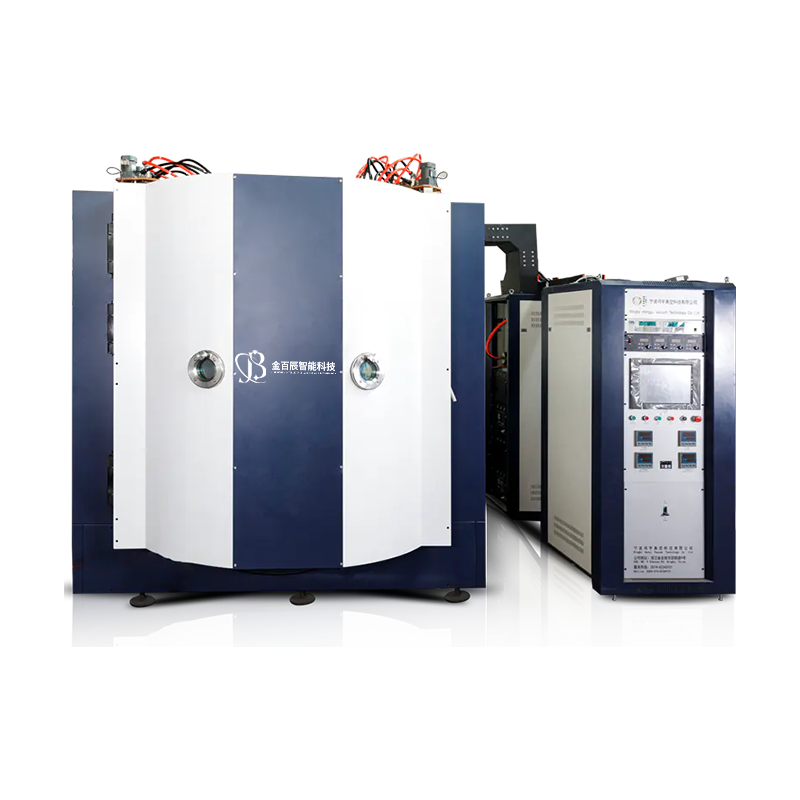
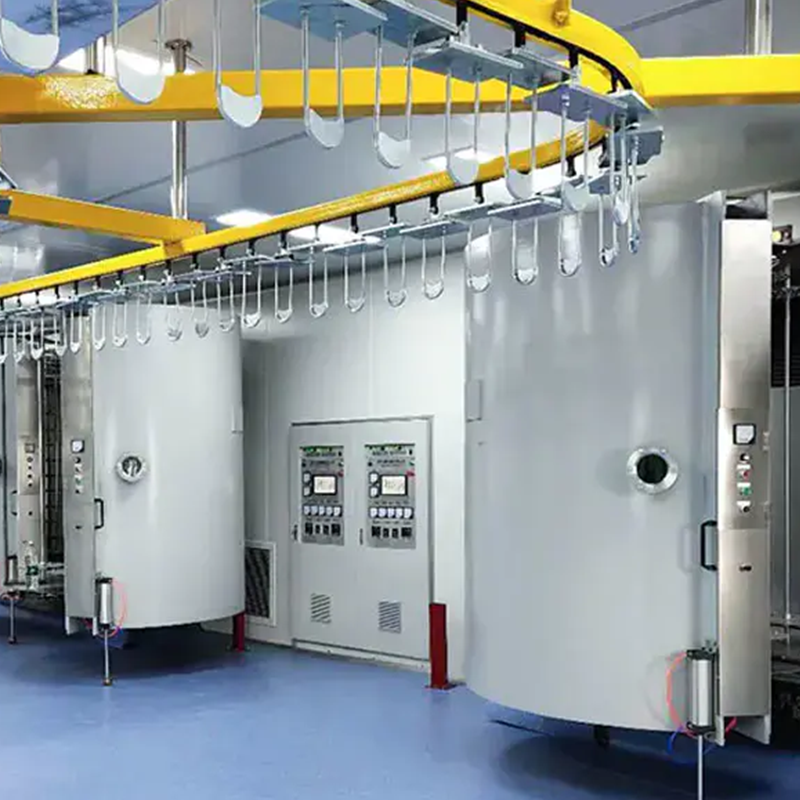
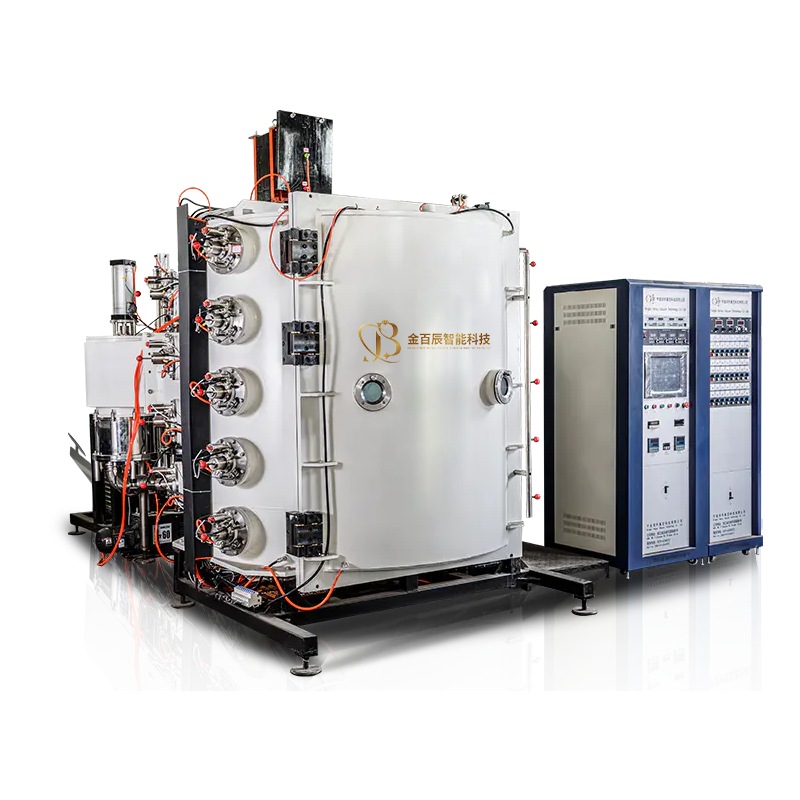
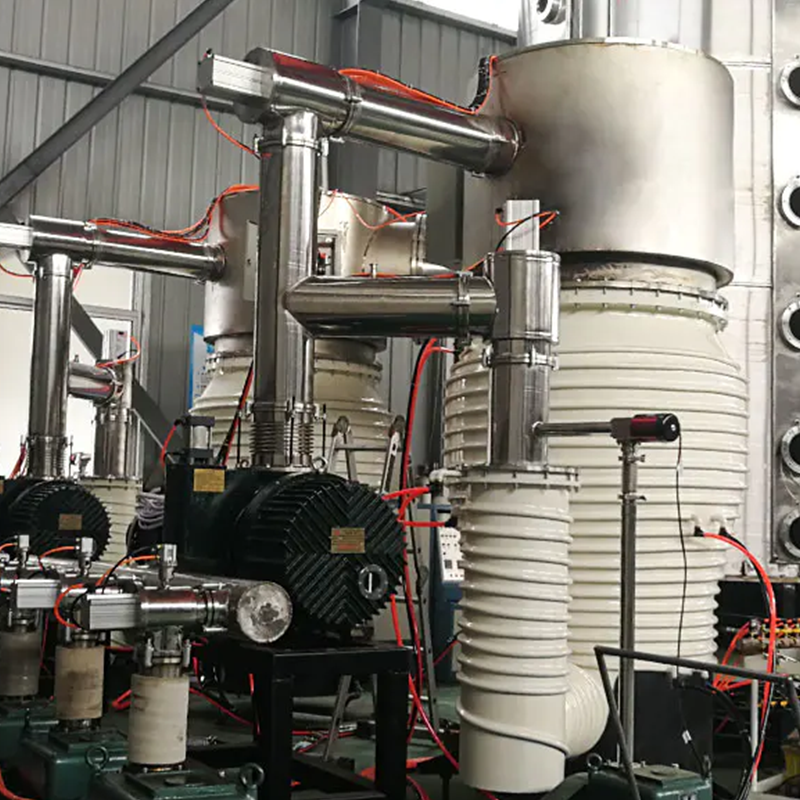
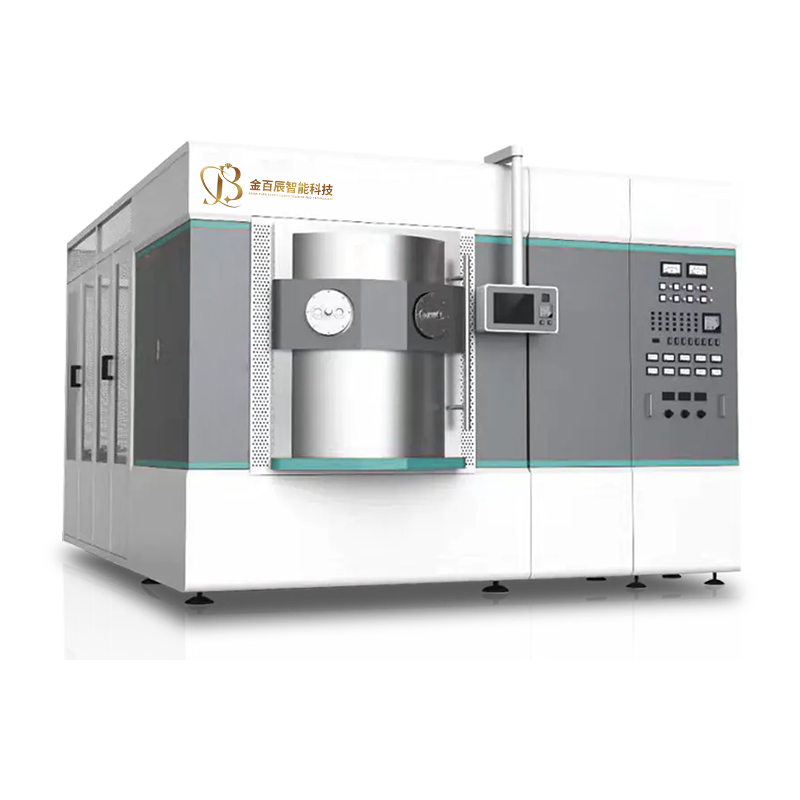
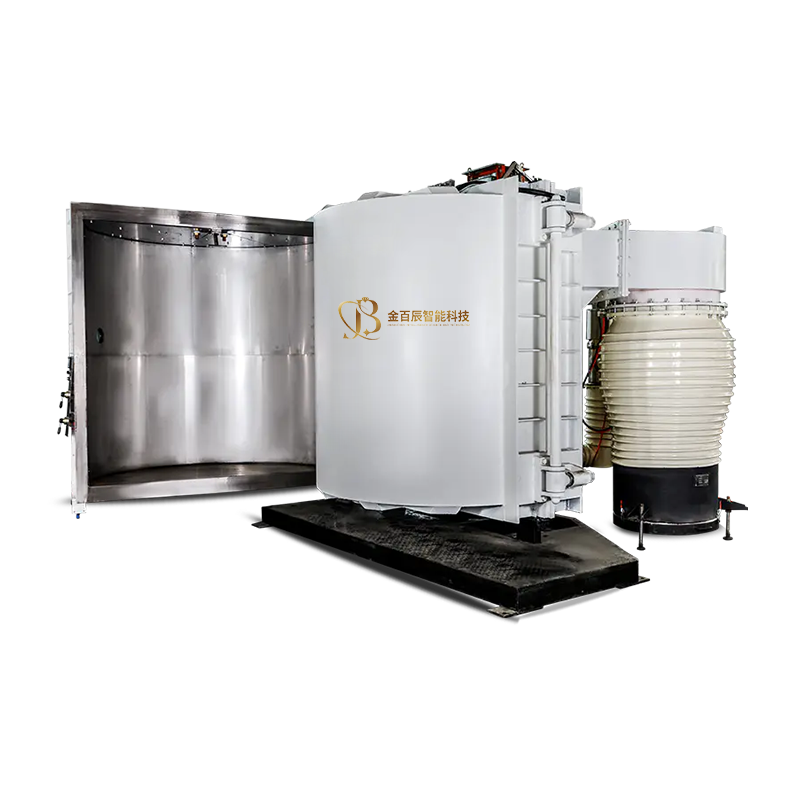
As surface treatment methods keep developing, manufacturers have been paying closer attention to flexible color options. Multi Arc Ion Vacuum Coating Equipment has become part of that shift, since it lets coating processes produce a wide range of surface appearances through controlled layer formation.
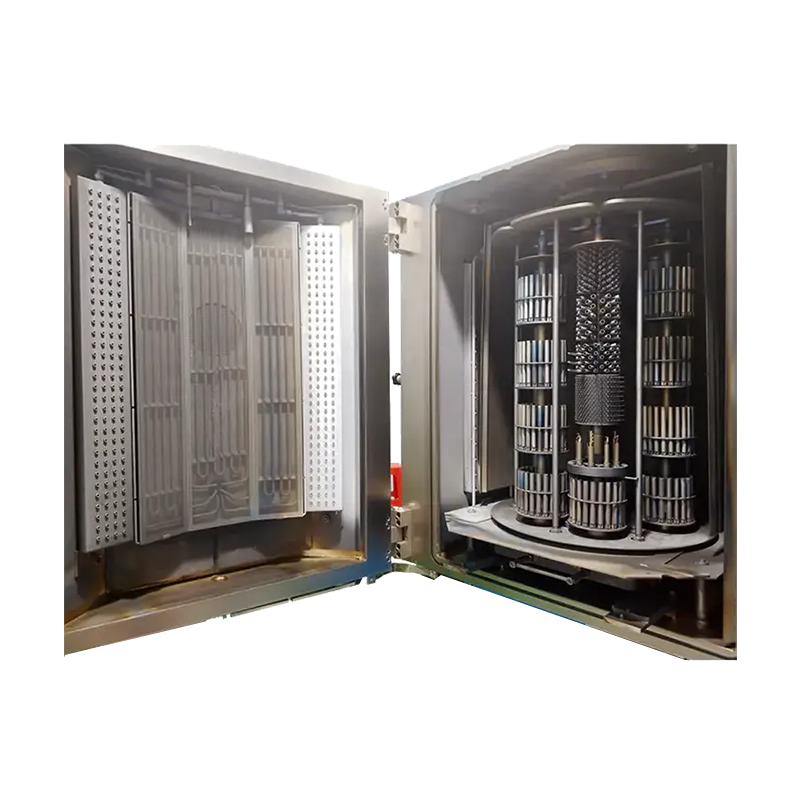
Multi Arc Ion Vacuum Coating Equipment builds color through a vacuum-based process where material particles get transferred onto the product's surface. As the process runs, a coating layer forms gradually and changes how light reflects off the surface underneath.
Color appearance isn't determined by the material alone. The interaction between coating layers and light plays a fairly significant role in shaping the final visual result. Different layer structures can produce different shades, brightness levels, and overall surface impressions.
Vacuum Coating Technology really focuses on managing the relationship between coating materials, surface conditions, and process settings. When these elements line up properly, the coating layer can achieve a fairly stable appearance suited to different product designs.
A few factors shape how color comes together:
A smooth, clean surface gives coating formation a solid foundation to work from. Any surface irregularity before coating can end up affecting the final appearance, which is part of why preparation before processing remains such an important step in production.
Color creation through vacuum coating really comes down to a combination of material behavior and surface engineering. Rather than simply adding color onto a product, the process changes how the surface interacts with light around it.
Vacuum Coating Technology can produce a fairly wide range of color effects across different industries and product designs. Common choices tend to include metallic shades, dark finishes, and decorative tones, with each category creating its own visual feel and matching different application needs.
Metallic colors get used fairly widely because they keep a connection to the original material's appearance while adding a more refined surface effect on top. Shades close to silver, gold, or other metal-like appearances often get chosen for products that call for a clean, modern style.
Dark colors show up often in surface coating too. Dark finishes tend to create a calmer, more understated appearance and often suit products where a simple, practical design works better. Different coating structures can produce noticeable variation between deep dark surfaces and lighter dark tones.
Decorative colors open up more choices for product appearance. Depending on how the coating is designed, surfaces can show different visual effects under different lighting conditions.
| Color Category | Surface Appearance | Common Application Direction |
|---|---|---|
| Metallic Shades | Metal-like reflection, clean appearance | Hardware parts, decorative components |
| Dark Finishes | Simple, modern visual style | Tools, equipment parts, consumer products |
| Decorative Tones | Flexible color expression | Design-focused products |
| Special Surface Effects | Changing appearance under light | Customized surface applications |
Different industries tend to bring different expectations to surface color. A component used in mechanical equipment might call for a more practical appearance, while a decorative product often leans more toward visual design. Vacuum coating processes give manufacturers room to adjust surface effects depending on what the product actually needs.
Coating layers shape a lot of how a finished surface ends up looking. Even when the base material stays the same, different coating arrangements can produce quite different visual results. Light reflection, absorption, and surface structure all play into the final color impression.
A coating layer really works together with the surface underneath rather than sitting on top of it in isolation. When light hits the coated area, part of it reflects back while another part interacts with the coating structure itself. Changes in how the layers are arranged can shift brightness, depth, and color tone in noticeable ways.
For manufacturers, keeping coating performance stable means paying attention to the whole process, not just one step. Surface cleaning, coating conditions, and equipment operation all factor into how evenly the layer actually forms.
A stable coating process tends to help cut down on unwanted differences between products coming out of the same production run. Consistent appearance matters especially for products made up of multiple matching parts that need to look uniform together.
Color performance really depends on several connected elements:
Vacuum coating isn't simply a way to apply color onto a surface. It's more of a surface treatment process where appearance takes shape through the relationship between material layers and how light reflects off them.
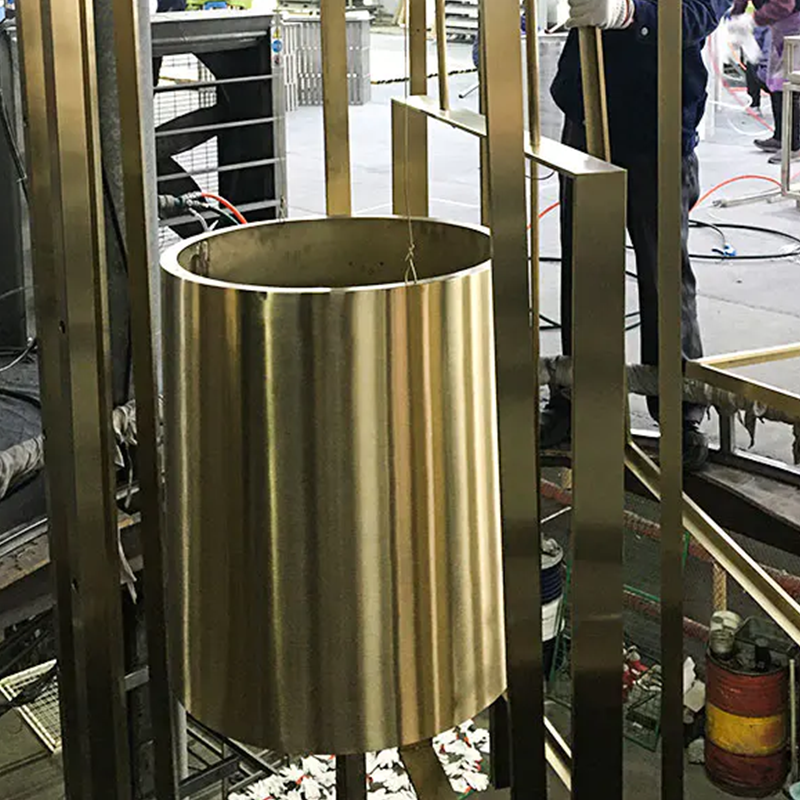
Metallic colors stay a pretty common choice in surface coating because they tend to create a clean, structured look while still keeping the original character of many materials intact. In industrial design, surfaces with metal-like tones often get picked when products need a decent balance between function and appearance.
Hardware parts, decorative components, and equipment surfaces often call for finishes that hold up visually through daily use. Metallic shades built through vacuum coating can offer quite a range of visual impressions, running from bright reflective surfaces all the way to softer, more muted metal tones.
Compared with simpler coloring methods, vacuum coating forms a surface layer that interacts with light in a fairly different way. The final look depends more on how the coating layer reflects light than just on the color of whatever material got added. Because of that, the same base material can end up showing quite different effects depending on the coating treatment it goes through.
A few common reasons manufacturers lean toward metallic finishes:
Metallic colors also tie into durability needs across a lot of applications. Products used in everyday environments tend to face contact, handling, and surface friction over time. A well-suited coating process helps keep the intended look intact while still holding up under practical use.
Dark and decorative finishes have become fairly important choices across a lot of product designs. Different industries tend to want surfaces that come across as simple, refined, or visually distinctive, and coating technology gives them flexible ways to get there.
Dark colors usually come down to how the coating layer absorbs and reflects light. A darker-looking surface often results from changes in coating materials and layer structures rather than the base material alone. Depending on how the process gets designed, dark finishes can show quite different levels of depth and brightness.
Decorative colors open up a wider range of possibilities for how a product looks. Manufacturers can adjust coating methods to create different visual styles without touching the product's basic shape. That kind of flexibility comes in handy for items where surface design is really part of the whole product concept.
A few applications that often lean on decorative coating effects:
Vacuum Coating Technology lets surface appearance get adjusted through coating structures rather than relying only on external coloring methods. That approach gives manufacturers more room to work with when developing products that need different visual treatments.
Color stability really comes down to several stages throughout the coating process. Getting a visually solid surface takes more than just picking out a certain coating material. Surface preparation, equipment condition, and process control all play into whether the final look ends up staying consistent.
Surface preparation is a good place to start. Dust, oil, or uneven surface conditions can throw off how the coating layer forms. A clean, properly prepped surface tends to help to a more even coating result overall.
Equipment operation factors into consistency too. Multi Arc Ion Vacuum Coating Equipment needs fairly precise control over the coating environment, since small shifts during processing can end up affecting surface appearance more than expected.
Material compatibility matters as well. Different base materials interact with coating layers in their own ways, so picking suitable combinations helps build a more stable connection between the product surface and the coating layer sitting on top of it.
| Factor | Influence on Coating Results |
|---|---|
| Surface preparation | Affects coating uniformity and appearance |
| Material selection | Influences color characteristics and surface response |
| Equipment control | Helps maintain consistent coating conditions |
| Layer formation | Changes reflection and visual effects |
Stable color production really depends on materials, equipment, and processing methods all working together. A thorough approach tends to cut down on unnecessary differences cropping up during manufacturing.
Different industries bring different expectations to surface appearance. A mechanical component might need a practical finish, while decorative products often lean more toward visual style. Vacuum Coating Technology offers a method that can flex to fit a range of these surface requirements.
In hardware manufacturing, coated surfaces can help shape different appearances for handles, tools, and fittings. In automotive-related work, surface design often plays into the overall style of interior and exterior components. Electronic products may also use coated surfaces to hit a specific look that fits the broader product design.
Flexibility is a big part of why coating processes get considered across so many different fields. Manufacturers can tune coating solutions to match product shape, material, and whatever appearance the job calls for.
The application process often weighs a few things:
Multi Arc Ion Vacuum Coating Equipment supports these applications by giving manufacturers a way to create different surface effects through controlled coating processes. The equipment isn't just tied to color creation either — it connects into broader surface treatment needs too.
Color development really reflects the changes happening in product design and manufacturing needs more broadly. As industries keep putting more weight on surface appearance, coating equipment needs to support more flexible solutions while still keeping operation stable.
Future coating equipment design may put more focus on easier adjustment, better process control, and wider compatibility across applications. Manufacturers need equipment that can handle a range of product types and support a variety of surface effects without much fuss.
The development of Vacuum Coating Technology ties closely into shifting product expectations. Surface treatment isn't only about protection or function anymore. Appearance, texture, and visual consistency have become a meaningful part of product development too.
A practical coating system tends to balance a few things at once:
Multi Arc Ion Vacuum Coating Equipment shows how surface treatment technology keeps developing around real manufacturing needs. Through careful control over coating layers and surface processes, a wide range of colors and finishes can take shape across many different applications.
Color creation in vacuum coating really comes down to material selection, equipment design, and process control all working together. As product designs keep evolving, coating technology looks set to remain a key method for achieving varied surface appearances while still meeting practical manufacturing needs along the way.
 Vacuum Coating Equipment Manufacturer