English
  中文简体
中文简体

Industry News
The technical team of Jinbaichen has over 30 years of experience in the research and development of vacuum coating equipment and technological accumulation.


The technical team of Jinbaichen has over 30 years of experience in the research and development of vacuum coating equipment and technological accumulation.
Surface fading usually starts quietly. A product looks fine when it leaves the factory, yet daily contact, light exposure, moisture, and friction begin changing its appearance little by little. In many industrial finishing lines, Vacuum Coating Technology is used to slow that change by forming a thin protective layer in a controlled low-pressure space, where material behavior can be guided more carefully than in open air.
Inside a vacuum environment, coating material moves toward the target surface in a steadier way, which helps the layer settle more evenly across the base material. The process is not only about adding color or shine. It is more about giving the surface a more stable outer layer that can remain closer to its original appearance during repeated use.
Vacuum Coating Technology is often chosen because coating under controlled pressure allows more consistent layering than many open-air methods, especially when the goal is to keep the surface looking steady over time rather than changing it sharply.
In practical production, the process usually follows a clear sequence:
Once the layer forms correctly, the surface gains extra support against fading caused by contact, environmental exposure, and repeated handling.
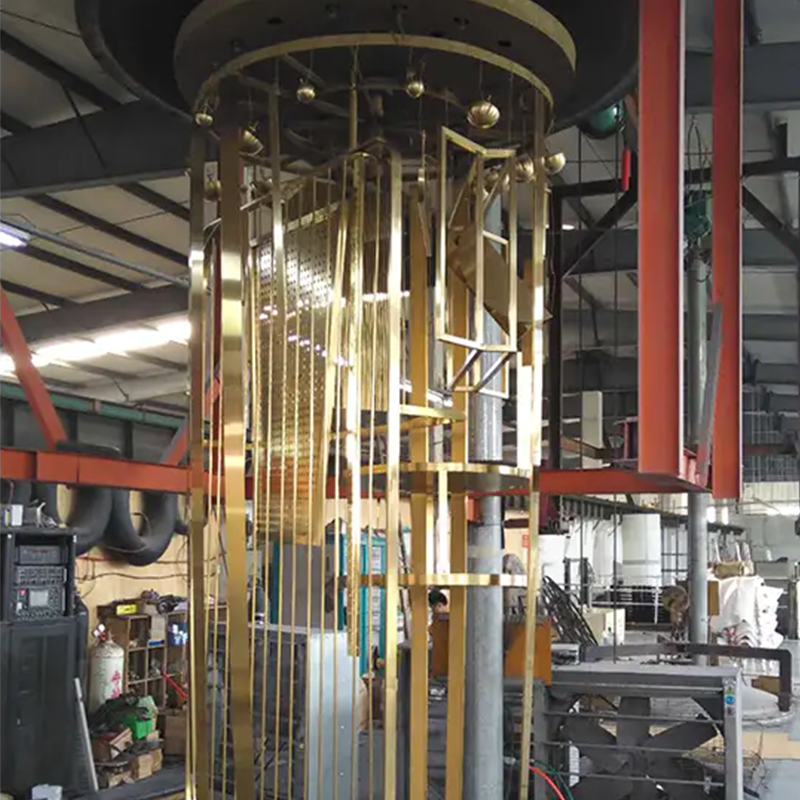
Surface fading is not caused by one single factor. It usually grows through a mix of light exposure, air contact, rubbing, cleaning, and temperature change. A product handled every day may slowly lose brightness, surface clarity, or color depth even when the main body still remains intact.
In simple terms, fading begins when the outer layer can no longer resist outside influence in the same way as before. Sunlight may lighten the appearance. Moisture can soften surface balance. Repeated wiping or contact can wear away the top layer. Over time, the result becomes visible in dullness, patchiness, or reduced surface clarity.
Common fading causes include:
Untreated surfaces usually show these changes faster because the surface layer has fewer protections. A treated surface holds its appearance longer, though no coating remains untouched forever. The difference often becomes noticeable in ordinary use, not only in technical testing.
A consumer may see it in a handheld item that starts with a smooth surface and later shows dull spots near the edges. A machine part may show fading where hands touch the same point every day. Decorative panels may lose their clean look in areas where light and air stay strongest.
A coating layer formed through vacuum processing helps the surface stay more stable against gradual wear. The layer works like a thin shield between the base material and outside conditions. It does not remove fading entirely, though it can slow the pace at which the appearance changes.
One important benefit comes from the way the coating bonds with the surface. Under controlled conditions, the layer attaches more evenly, which helps reduce weak spots that often become early fading areas. Where the coating is uniform, the surface tends to keep its original look for a longer period.
Durability improvement often appears in several ways:
The coating also helps in handling temperature shifts. When a surface repeatedly moves between warm and cool conditions, weak outer layers may become uneven or lose clarity. A well-formed coating gives the surface a steadier response to that cycle.
In many practical applications, the value lies in appearance retention rather than dramatic transformation. A panel, part, or product may look nearly the same after regular use, which often matters more than immediate visual change.
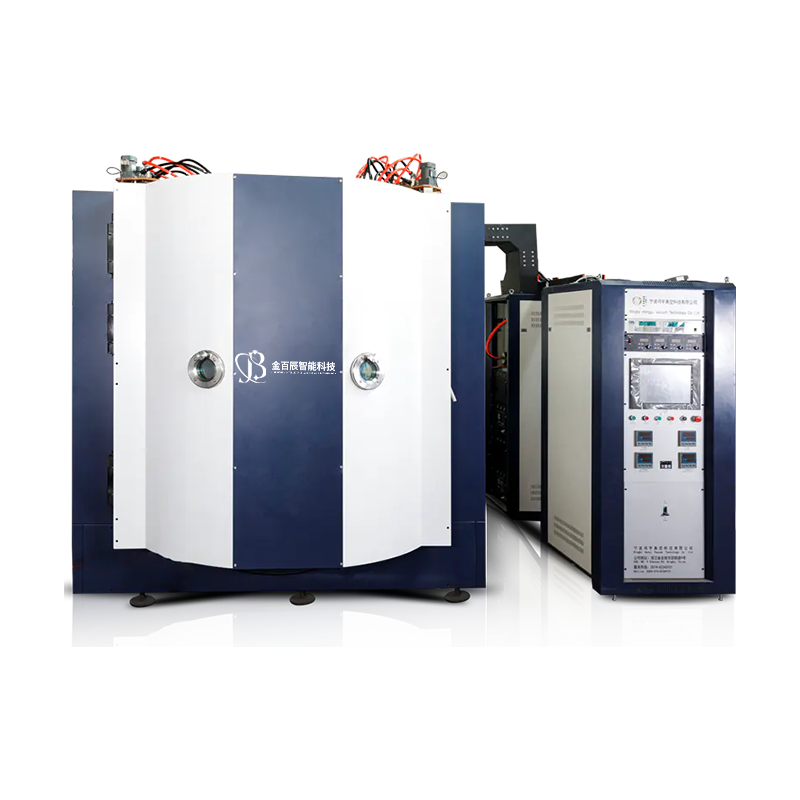
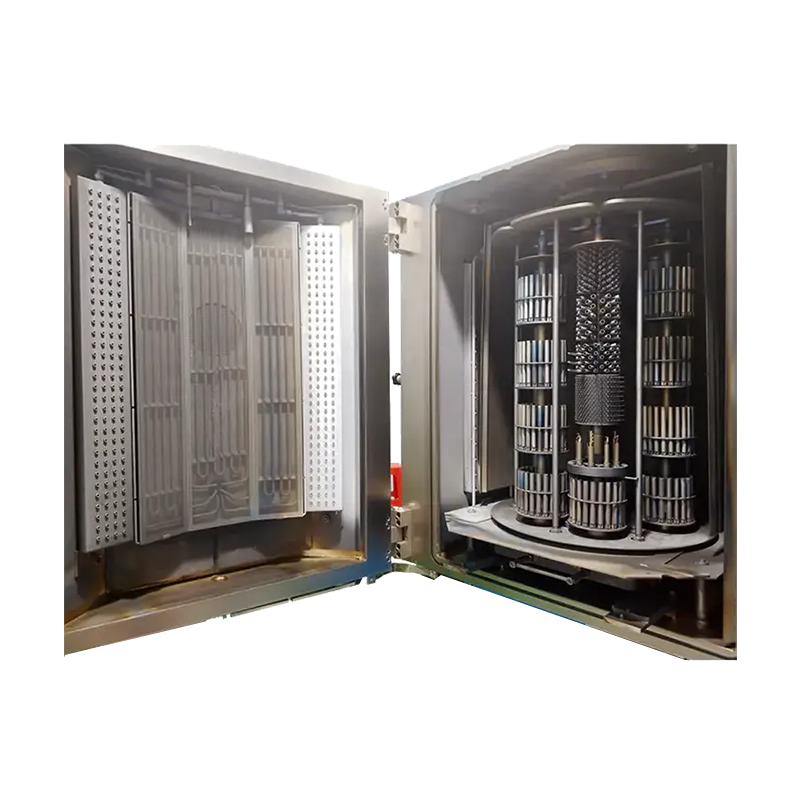
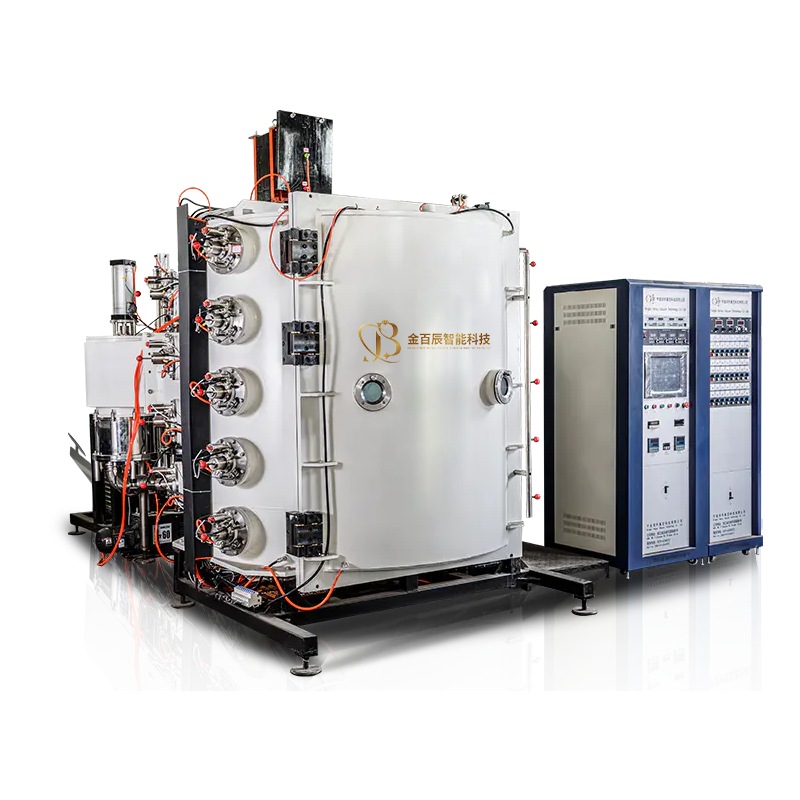
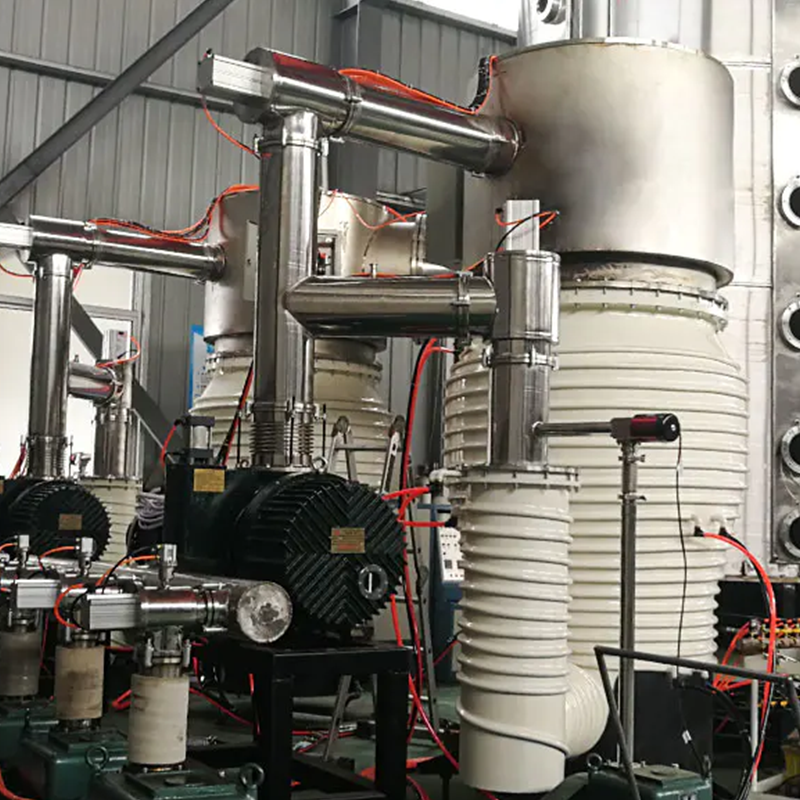
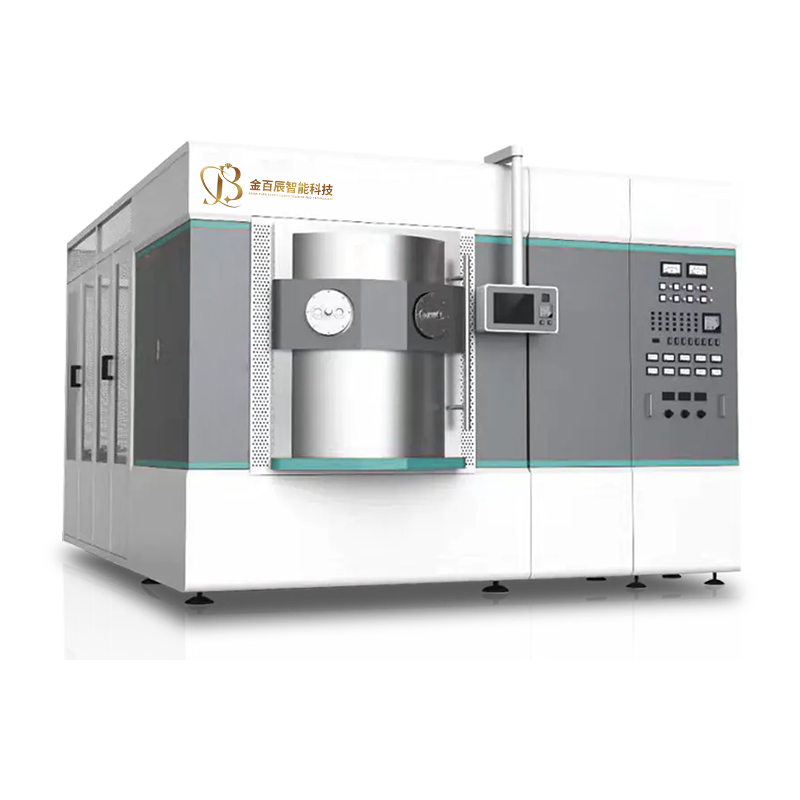
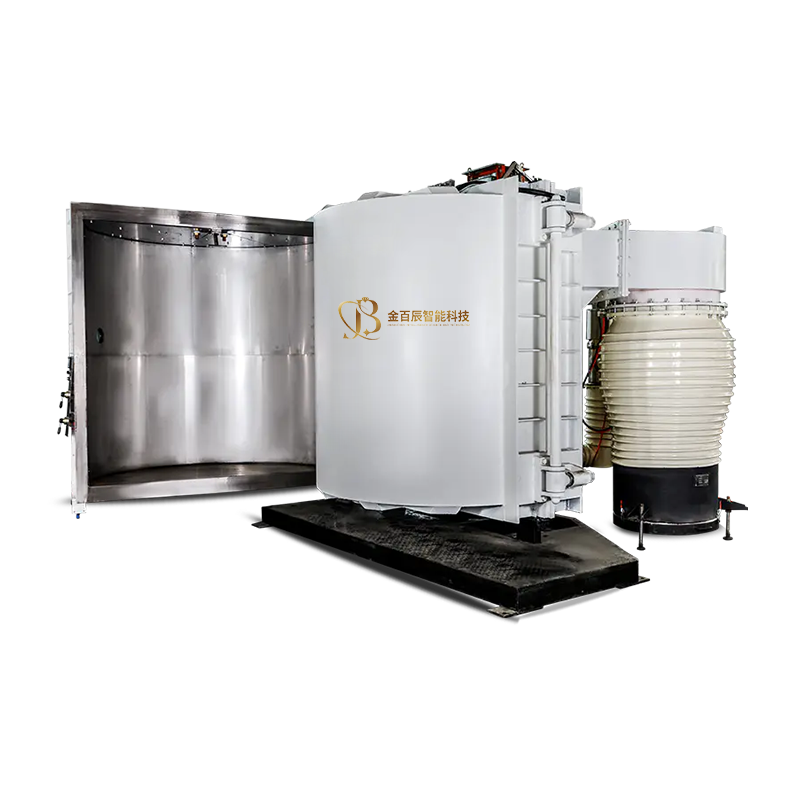
A coating layer can only remain even when the environment stays controlled. That is where High Vacuum Coating Equipment becomes important. Stable pressure inside the chamber allows particles to move in a more predictable direction, which supports more uniform coverage across the surface.
High Vacuum Coating Equipment helps reduce random particle movement that often appears in less controlled settings. With pressure held steady, coating material can reach the surface with fewer disruptions, which supports a more consistent outer layer.
Several practical factors depend on the equipment condition:
When equipment works with consistent control, coating thickness stays closer to the intended range. That matters because a layer that is too thin may wear away too quickly, while a layer that becomes uneven may create visible pattern changes or weak protection zones.
High vacuum systems also help in shaping the final look of the surface. For some materials, the aim is not only protection, also a stable visual finish that remains closer to the original tone. Equipment precision plays a central role in reaching that result.
Different base materials do not react in the same way during coating. Metal, plastic, and composite surfaces each have their own surface behavior, and that behavior changes how well the coating settles and holds.
A metal base often accepts coating differently from a plastic base because the surface texture and thermal response are not the same. Composite surfaces may bring another layer of variation, since their structure can include different materials within one body.
Material-related differences often include:
A surface with strong adhesion potential usually allows the coating to settle more firmly. A surface with weaker bonding behavior may need more careful preparation before coating begins. That preparation can involve cleaning, surface smoothing, or controlling the chamber condition so the layer has a better chance to attach evenly.
Material type also affects fading resistance in daily use. A coated metal tool used in an indoor setting may hold its finish differently from a coated plastic housing exposed to sunlight or repeated touch. Coating technology supports both, yet the result depends on how the base material behaves under the layer.
| Condition | Uncoated Surface Behavior | Vacuum Coated Surface Behavior |
|---|---|---|
| Light exposure | Appearance changes sooner | Appearance holds longer |
| Friction from handling | Surface marks appear quickly | Surface wear slows down |
| Moisture exposure | Outer layer becomes uneven | Surface stays more stable |
| Repeated cleaning | Finish becomes dull faster | Finish remains steadier |
Good surface quality depends on how carefully the coating process is controlled. Even in a vacuum chamber, small changes in temperature, timing, and material flow can alter the final layer. Uniform control helps the surface appear smoother and behave more consistently over time.
Temperature balance matters because coating material needs the right condition to form properly. Too much variation can create uneven coverage or weak points. Timing also matters because the layer needs enough time to settle without becoming irregular.
In practical production, process control usually focuses on:
When control remains steady, the finished surface is more likely to resist fading in day-to-day use. A weak or uneven layer may still look fine at the beginning, though it often changes faster once handling starts.
Vacuum coating is used in many industries where surface look and surface stability matter together. Consumer products, mechanical parts, reflective surfaces, and decorative items all benefit from a finish that holds its appearance longer.
In consumer products, the focus may be on keeping the item visually clean after repeated handling. In mechanical parts, the concern often shifts toward lasting appearance under wear. Reflective or optical surfaces need a more controlled finish because small changes can affect how the item performs or appears. Decorative surfaces also benefit when color and gloss need to remain steady over time.
Common usage areas include:
In each area, the goal is similar: keep the outer layer closer to its original state for longer use cycles.
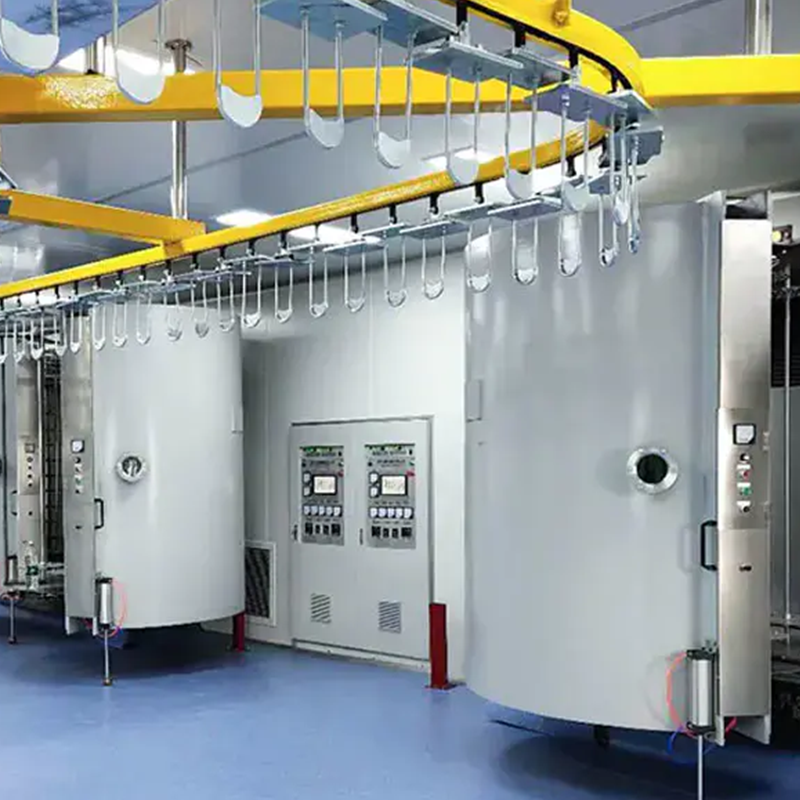
When vacuum coating moves into continuous production environments, the focus shifts from single surface results to repeatability across many cycles. High Vacuum Coating Equipment becomes the controlling core that keeps deposition behavior steady, so surface output does not drift from one batch to another during long operation periods.
In a controlled vacuum chamber, coating particles travel with fewer random disturbances. The movement becomes more directional, which helps layers settle in a more even manner across the material surface. Without this control, uneven particle spread can appear, often showing as patchy tone or inconsistent surface reflection.
In practical operation, consistency depends on several repeated conditions:
When these conditions remain stable, coating results tend to stay closer in appearance and structure, which supports steady output in production lines where surface uniformity matters across many units.
Surface fading does not depend only on the coating layer itself. It develops through a combination of material quality, coating behavior, and real usage conditions that act over time.
One key factor is the uniformity of the initial coating layer. When coverage is even, the surface tends to age more slowly under environmental exposure. Uneven coating zones can create early weak points where fading begins sooner than other areas.
Layer thickness also plays a role in long term resistance. A very thin coating may lose protective effect earlier during repeated use. Uneven thickness may cause inconsistent appearance changes across the surface.
Other influencing conditions include:
These influences do not act instantly. They accumulate gradually, and visible fading usually appears after repeated cycles of exposure rather than a single event.
Once coating is completed, the surface continues to interact with its environment in small continuous ways. Even light contact, such as holding, wiping, or placing the object on surfaces, slowly affects the outer layer.
Surface fading rarely appears suddenly. It usually develops step by step through gradual reduction in gloss, slight tone change, or subtle texture variation. The speed of this change depends on how strongly the coating layer is bonded to the base material.
Common interaction effects include:
Areas exposed to more frequent handling tend to show earlier signs of fading, while less touched sections often remain stable for a longer period. This difference is commonly observed in both industrial parts and consumer products.
Before vacuum coating begins, surface preparation strongly influences how well the coating layer attaches and how stable it remains over time. Even advanced coating systems cannot fully compensate for poor surface conditions.
Preparation focuses mainly on improving surface readiness and removing anything that may weaken bonding strength. Dust particles, oil residues, or micro-level impurities can interrupt coating adhesion.
Typical preparation steps include:
When preparation is consistent, coating layers tend to form more evenly, which helps reduce early-stage fading and supports longer surface stability during real use.
Different industries use coated surfaces in different ways, which means coating behavior must adjust according to functional and environmental requirements.
In consumer environments, surfaces often face frequent handling and cleaning, making resistance to touch-based wear more important. In mechanical applications, friction and movement influence surface stability over time. Decorative applications often focus more on maintaining visual consistency under light exposure.
Adaptation often includes:
Vacuum coating systems allow controlled adjustment of process conditions so that different application needs can be supported while maintaining the same fundamental coating method.
Vacuum coating technology continues to move toward more controlled and stable surface finishing approaches. The focus is gradually shifting from simple appearance enhancement to long-term stability under real environmental exposure.
Controlled vacuum environments allow more precise layer formation, which helps reduce uneven fading patterns that often appear in less stable coating methods. As industrial needs expand, demand for consistent surface behavior across longer usage cycles becomes more noticeable.
Current development direction generally includes:
With these changes, vacuum coating remains an important method in surface protection systems where long-term appearance stability and controlled surface behavior are required across various industrial applications.
 Vacuum Coating Equipment Manufacturer