English
  中文简体
中文简体

Industry News
The technical team of Jinbaichen has over 30 years of experience in the research and development of vacuum coating equipment and technological accumulation.


The technical team of Jinbaichen has over 30 years of experience in the research and development of vacuum coating equipment and technological accumulation.
Many optical products gain a large part of their functional value from what happens on the surface rather than from the base material alone. A lens, a transparent plate, or a reflective component may look complete before coating, yet the final surface treatment often determines how the product behaves during actual use.
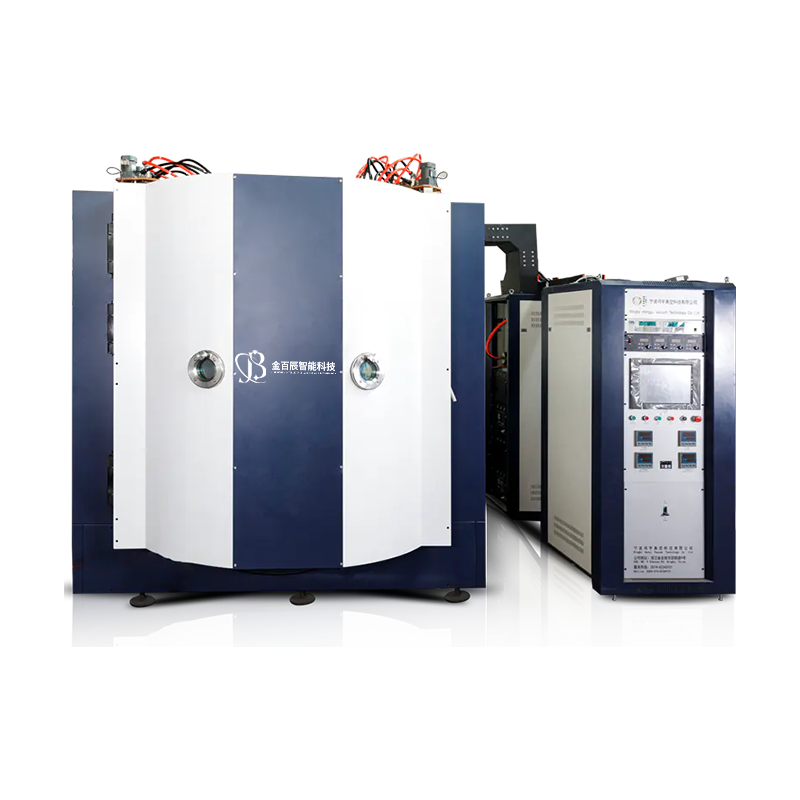
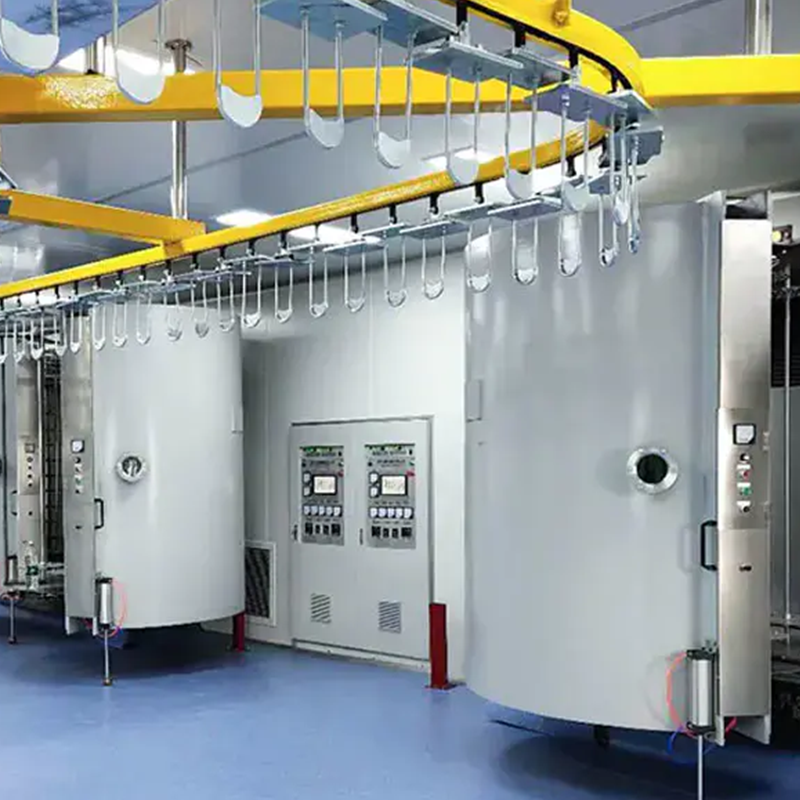
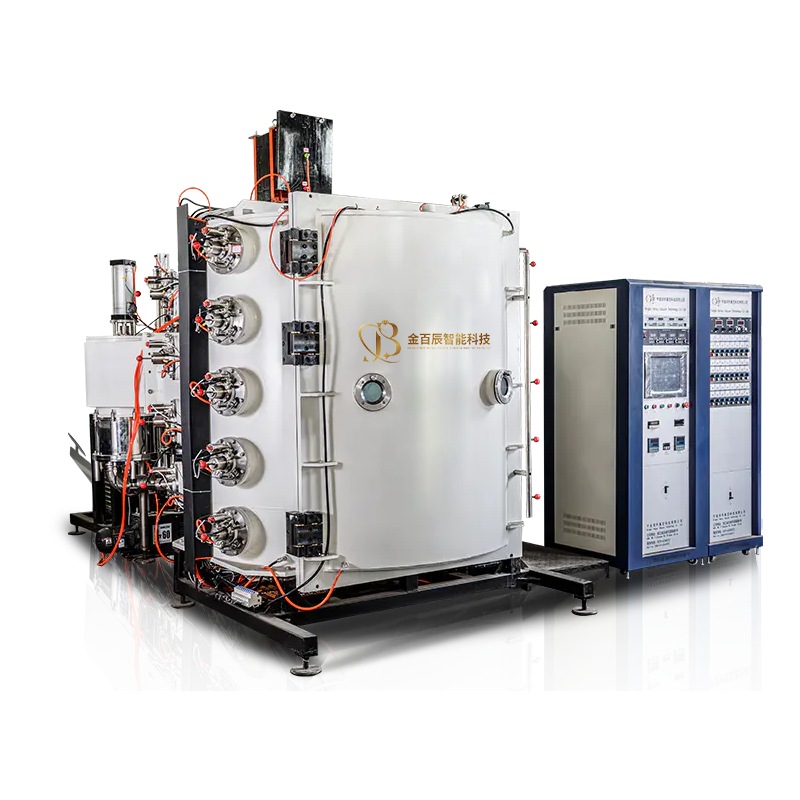
For that reason, Optical Coating Equipment occupies an important position in manufacturing environments that process optical components. The equipment is not simply another machine placed on a production floor. It becomes part of a chain where material preparation, surface treatment, inspection, and assembly influence one another.
In practical manufacturing, coating work is closely connected with production stability. A coating process that remains consistent from one production cycle to another often makes later operations easier to manage. Inspection procedures become more predictable, and product variation becomes easier to understand.
Equipment selection therefore reaches beyond technical specifications. Production managers often consider how a coating system will fit daily operations, how easily it can adapt to product changes, and how it may affect future manufacturing plans.
Several questions usually appear during early evaluation:
Answers to those questions often shape the direction of the entire selection process.
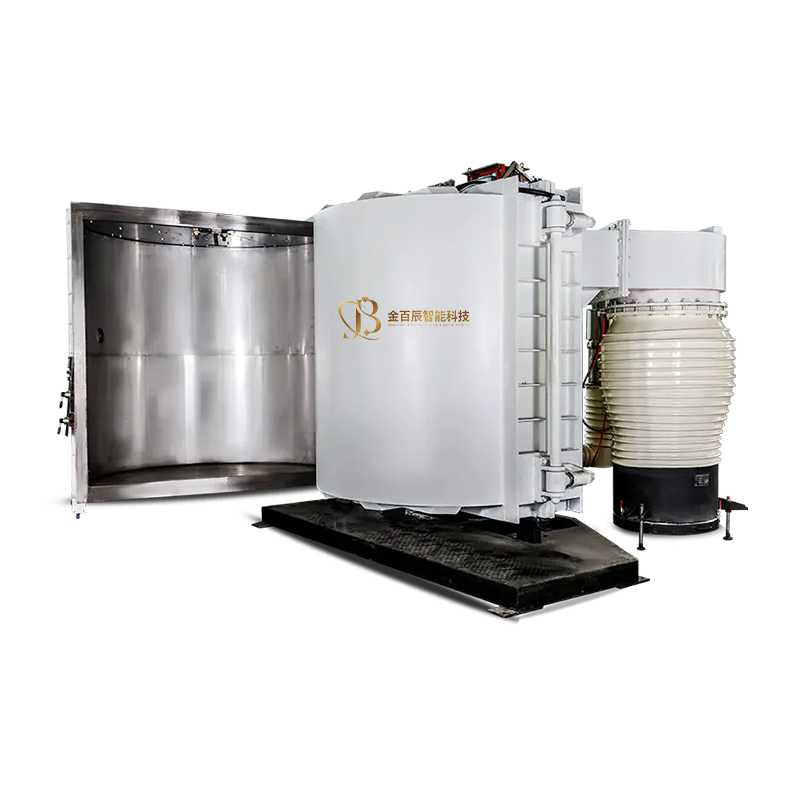
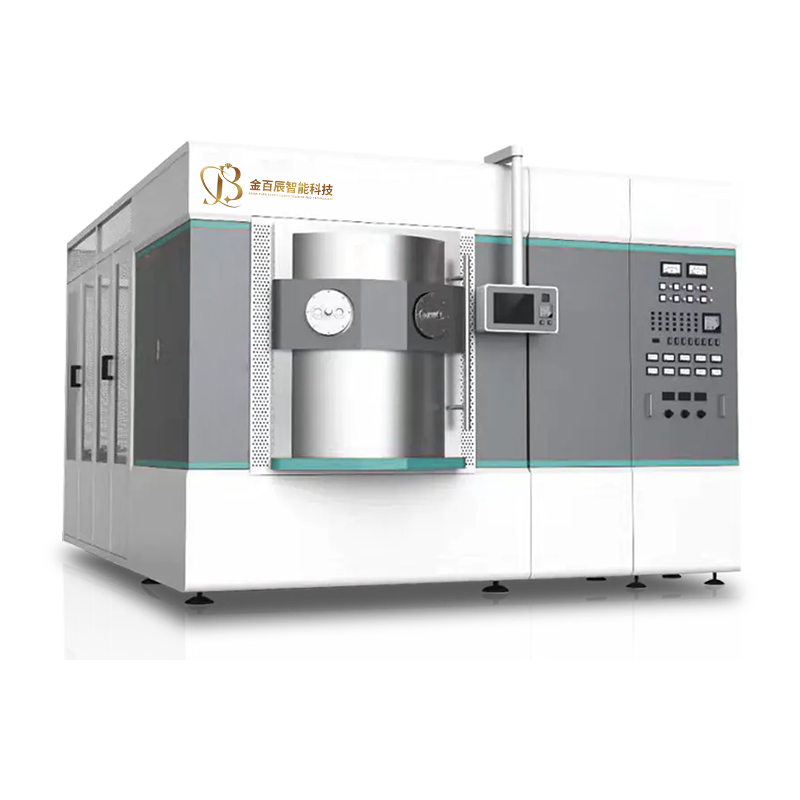
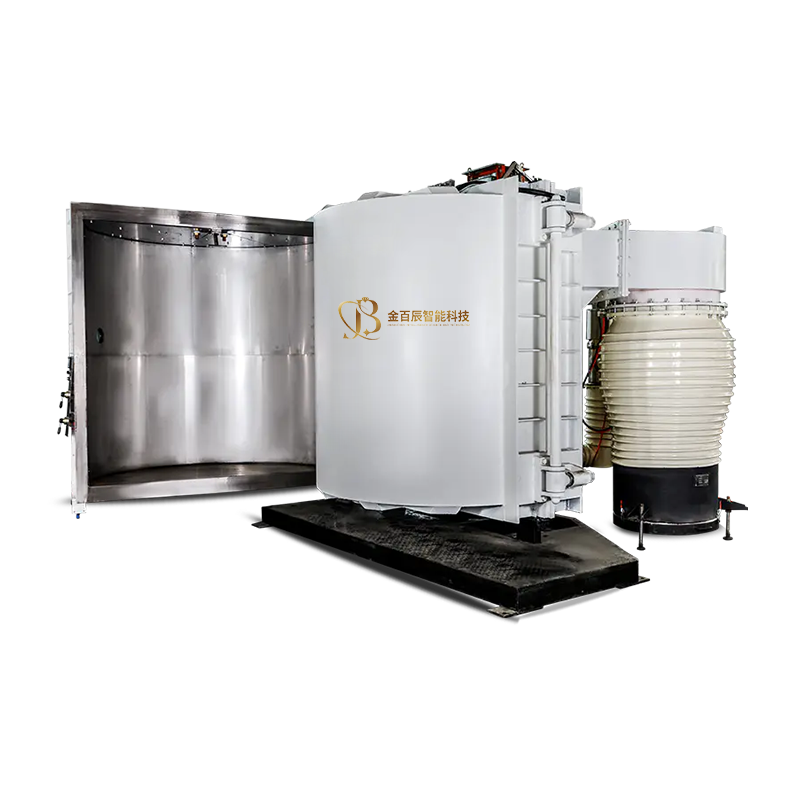
Coating equipment serves a straightforward purpose on paper: applying a surface layer onto an optical component. Inside a manufacturing environment, the task becomes far more detailed.
Surface treatment requires controlled conditions from beginning to end. Material must reach the component in a stable manner, and the coating process should remain consistent across different production cycles. Small changes during operation can influence later results, making process stability a major concern.
Manufacturers usually focus on several practical functions rather than a single performance target.
One important function involves maintaining even treatment across component surfaces. Optical products often contain areas that differ in shape or orientation, making balanced coating more difficult than it appears.
Another important function involves process repeatability. Production rarely ends after a single run. Similar products may be processed repeatedly, and operating conditions need to remain dependable throughout those cycles.
Key functional expectations often include:
In many facilities, flexibility becomes nearly as important as production capability. Product requirements may evolve, and equipment that can accommodate different situations often fits more comfortably into long-term manufacturing plans.
Production requirements shape equipment decisions long before installation begins. A machine that performs well in one environment may not fit another simply because manufacturing goals differ.
Some facilities focus on a relatively narrow product range. Others process many component types throughout the year. Such differences influence how equipment is evaluated.
A production line handling frequent product changes often benefits from operational flexibility. Equipment that supports adjustments without major interruption may fit more naturally into that environment.
Meanwhile, facilities producing similar components over extended periods may place greater emphasis on process consistency and workflow efficiency.
Several production-related factors usually deserve attention.
Product Variety
A broader product range often creates additional demands. Component dimensions, shapes, and surface requirements may vary from one production order to another.
Manufacturing Rhythm
Some production environments operate on a continuous schedule, while others process products in separate batches. Equipment selection often reflects those operational patterns.
Future Adjustments
Manufacturing plans rarely remain unchanged forever. Equipment capable of adapting to evolving production requirements may reduce future challenges.
Selecting Optical Coating Equipment without considering production realities can create limitations that only become visible after installation.
Not all optical components place the same demands on production equipment. Shape, size, and structural complexity influence how coating processes are carried out.
Flat components are generally easier to position and handle during production. Curved surfaces introduce additional considerations because coating material may reach different areas from varying angles.
Some optical products contain delicate features that require careful handling throughout processing. Others involve larger structures that influence chamber organization and production planning.
Manufacturers often begin equipment evaluation by examining the products that will actually enter production rather than starting with machine specifications alone.
Common categories include:
Each category may require different handling arrangements, fixture designs, and processing approaches.
Component geometry can influence:
A clear understanding of product characteristics often simplifies later equipment decisions.
A coating layer may cover an entire component, yet small differences between one area and another can still appear during inspection or subsequent processing. Such variation can complicate production management and increase adjustment requirements.
Uniformity is rarely determined by a single machine feature. Instead, it develops through the interaction of multiple factors working together throughout the process.
Material distribution inside the chamber plays a role. Component positioning also matters. Operating stability contributes as well. Changes in any one area can influence final results.
Manufacturers often examine how equipment supports consistent conditions rather than focusing solely on output.
Factors influencing uniformity commonly include:
Maintaining balanced surface treatment usually requires attention to the complete production environment.
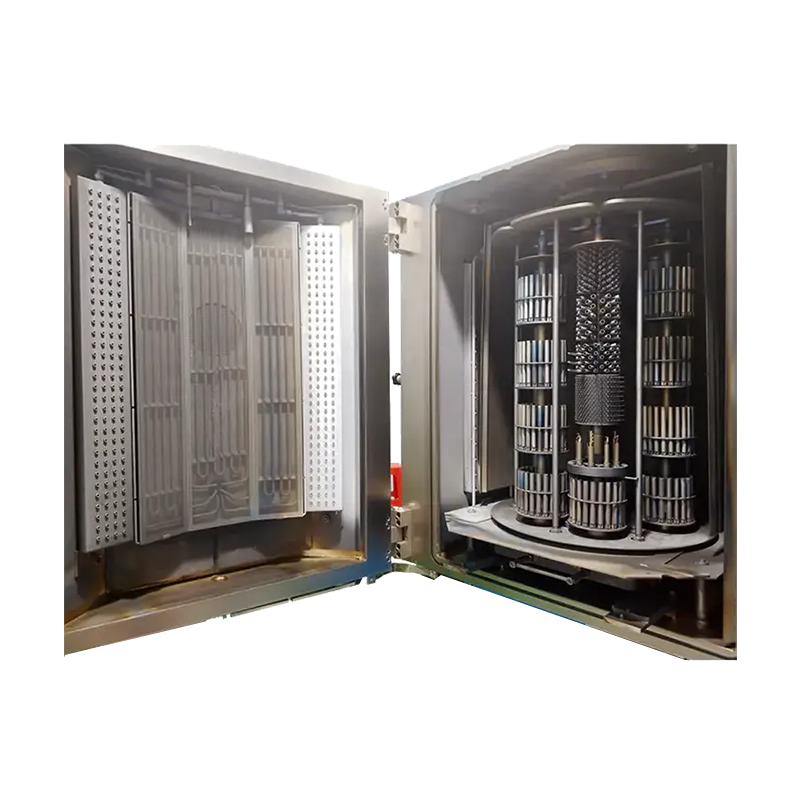
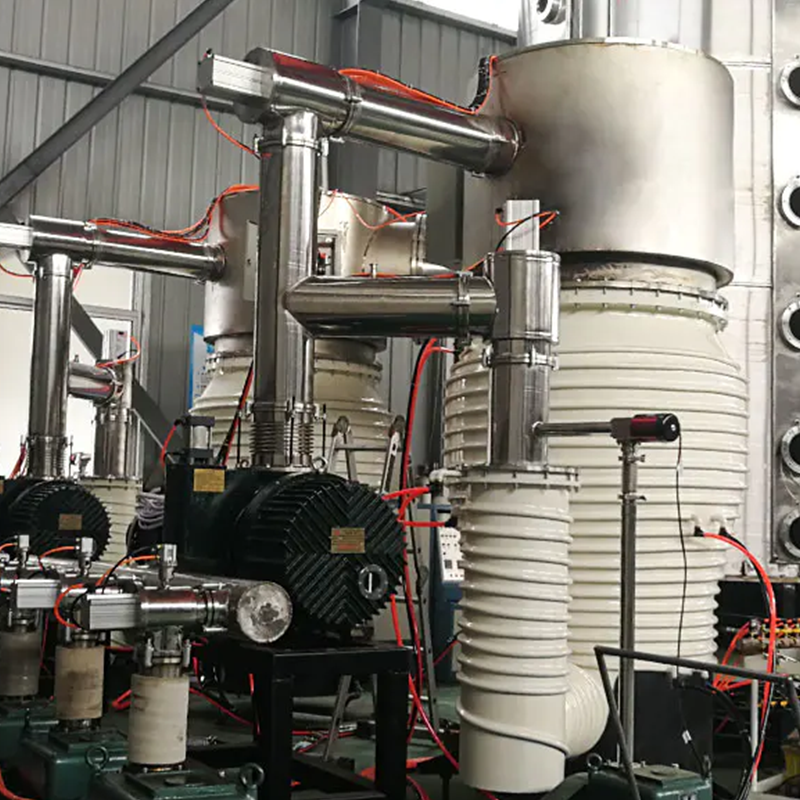
Behind every coating cycle lies a production environment that must remain stable enough to support controlled processing. The vacuum system forms an important part of that environment.
Its role extends beyond chamber preparation. Conditions inside the chamber influence how coating materials behave throughout the operation. Stable conditions generally make process management easier and help reduce unexpected variation between production runs.
When manufacturers evaluate Optical Coating Equipment, vacuum system performance often becomes part of a broader discussion about operational stability.
Several areas are commonly reviewed:
Maintenance receives attention because vacuum-related components are not isolated from daily production. Routine inspection and servicing become part of normal equipment ownership.
Accessibility can influence maintenance efficiency. Components that are easier to inspect and service often simplify long-term operation.
Automation often enters equipment discussions early, though the conversation usually extends beyond reducing manual involvement.
In manufacturing environments, process control is closely tied to consistency. When operating conditions can be monitored and adjusted in a structured manner, production becomes easier to manage over time.
Automation may support routine procedures by helping maintain similar operating conditions from one production cycle to another. Process monitoring provides visibility into system behavior during operation, allowing production personnel to follow key stages more closely.
Important areas often reviewed include:
A balanced evaluation normally considers how automation supports practical production needs rather than treating automation itself as the primary objective.
Once Optical Coating Equipment enters real production, attention gradually shifts away from specifications on paper and moves toward daily behavior. Operation rhythm, cleaning routines, and access to internal parts begin to shape how the system feels in long use.
In many production areas, time for downtime is limited, so maintenance often needs to fit into short windows rather than long breaks. When key parts are easy to reach, small checks do not interrupt the workflow too much. When access is complicated, even simple cleaning can turn into a longer task.
Over time, the way equipment is handled every day becomes more important than initial setup. A stable routine often keeps performance closer to expected conditions, while irregular maintenance tends to create variation in process behavior.
Points that usually affect long-term use:
Daily handling also matters. Operators usually develop habits around how the machine is started, monitored, and shut down. When those steps feel natural, the system tends to stay more stable during repeated cycles.
Even before Optical Coating Equipment arrives on site, the surrounding environment already influences how smoothly installation will go.
Inside many facilities, layout is already shaped by earlier equipment. New installation needs to fit into that existing structure without blocking material flow or creating tight working corners.
Airflow, cleanliness level, and temperature stability also play a background role. Coating processes often depend on steady surroundings, so uneven conditions inside the facility can affect later operation consistency.
Common points reviewed before installation:
When these elements are ignored, adjustments after installation often become more difficult than expected.
Equipment choice is often based on what is needed at the moment, yet production rarely stays the same for long. New product shapes, different coating requirements, or changes in output volume may appear later, even without major shifts in the production line.
Because of that, selection usually involves a quiet balance between present work and possible future direction. A system that only matches current demand may feel sufficient, yet later changes in production can expose limits.
Flexibility does not mean preparing for every possible scenario. It usually means avoiding tight restrictions that block adjustment when conditions shift.
Questions that often come up during planning:
In practice, decisions are often shaped by what feels stable now while still leaving room for later movement.
During equipment selection, attention often goes to performance descriptions and technical capacity. That part is important, yet real operation includes more than output capability alone.
One frequent oversight happens when maintenance is treated as secondary. A system may perform well during initial use, yet become harder to manage when service points are difficult to reach or cleaning takes too much time.
Another issue appears when production planning is too narrow. Equipment that fits one product type very well may struggle when product variety increases.
Some factors are often missed during early evaluation:
When those aspects are not reviewed early, adjustments later tend to involve extra effort that was not planned in advance.
Optical coating does not happen in isolation. It sits inside a longer chain of steps that includes material preparation, handling, inspection, and later assembly or packaging.
When Optical Coating Equipment fits smoothly into that chain, movement between stages feels more natural. Materials enter, pass through coating, and continue forward without unnecessary waiting or repositioning.
When mismatch exists, small delays can appear between steps, even when each machine works correctly on its own.
Workflow influence is often seen in:
A system that fits into the existing rhythm of work usually requires fewer adjustments during daily operation.
Over time, production environments tend to shift in small ways. New product variations appear, demand changes, and internal processes are adjusted to match real conditions rather than initial plans.
In that setting, flexibility becomes less about expansion and more about staying usable without major disruption. Equipment that can handle slight changes in process conditions or product types tends to remain in use longer without heavy modification.
Flexibility is often seen in simple forms:
| Area of Concern | What It Relates To | Effect in Daily Use |
|---|---|---|
| Maintenance access | Service and cleaning | Operation continuity |
| Facility layout | Installation space | Workflow smoothness |
| Product range | Component variety | Production flexibility |
| Workflow fit | Process sequence | Material flow stability |
| Process stability | Coating consistency | Output regularity |
| Adaptability | Future changes | Long-term usability |
Choosing Optical Coating Equipment is rarely a single-step decision. It usually grows from many small considerations that connect technical behavior with real production conditions.
When selection focuses only on machine capability, some practical issues may appear later during operation. When both technical and environmental factors are reviewed together, the equipment tends to fit more naturally into daily work.
A balanced view often includes:
Equipment that aligns with these conditions usually integrates more smoothly into production life, reducing unexpected disruption and supporting steadier operation over time.
 Vacuum Coating Equipment Manufacturer