Industry News
The technical team of Jinbaichen has over 30 years of experience in the research and development of vacuum coating equipment and technological accumulation.
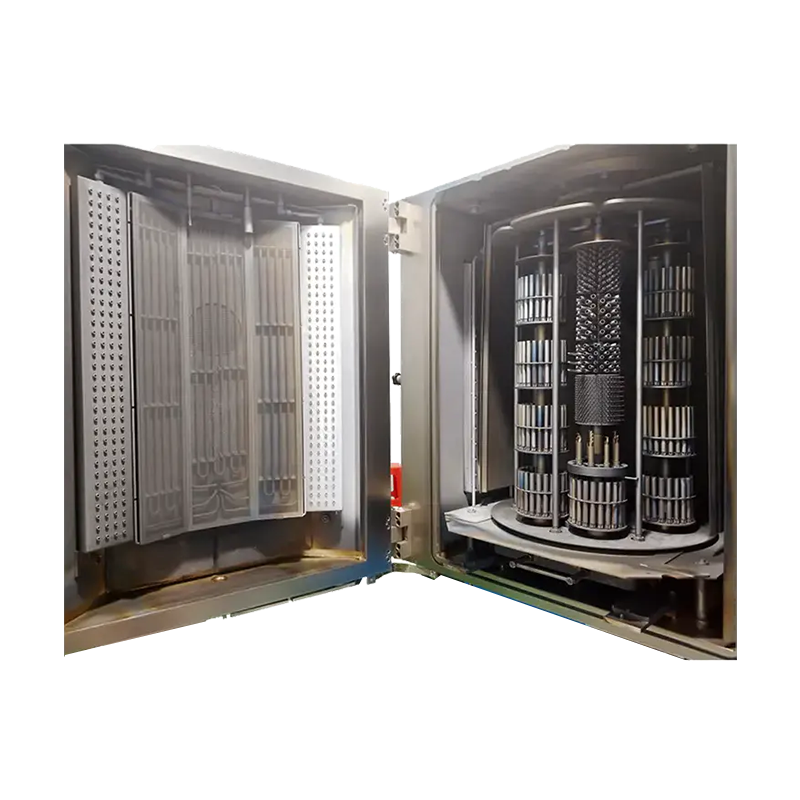
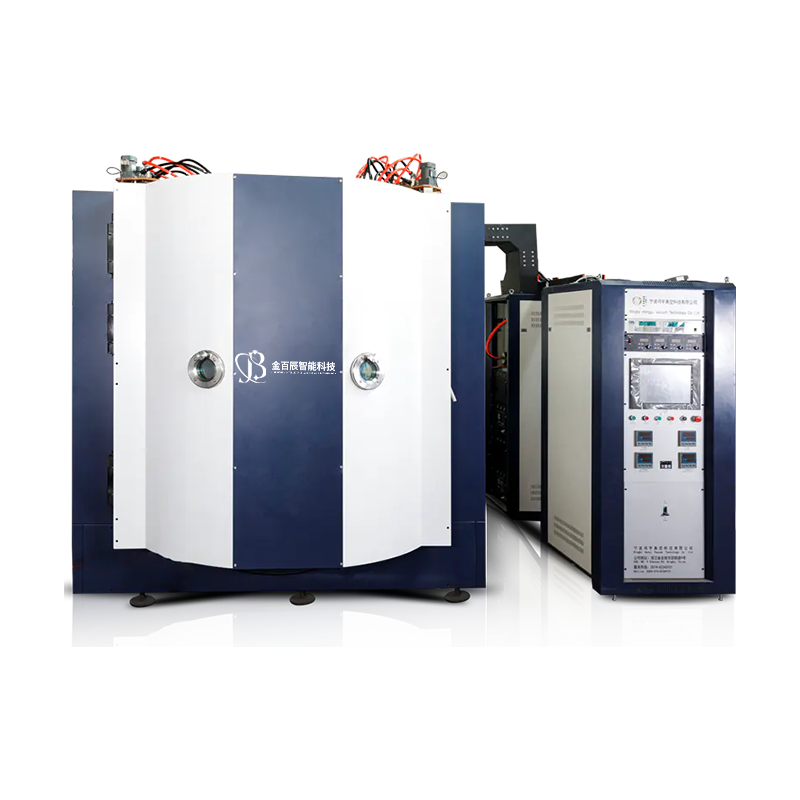
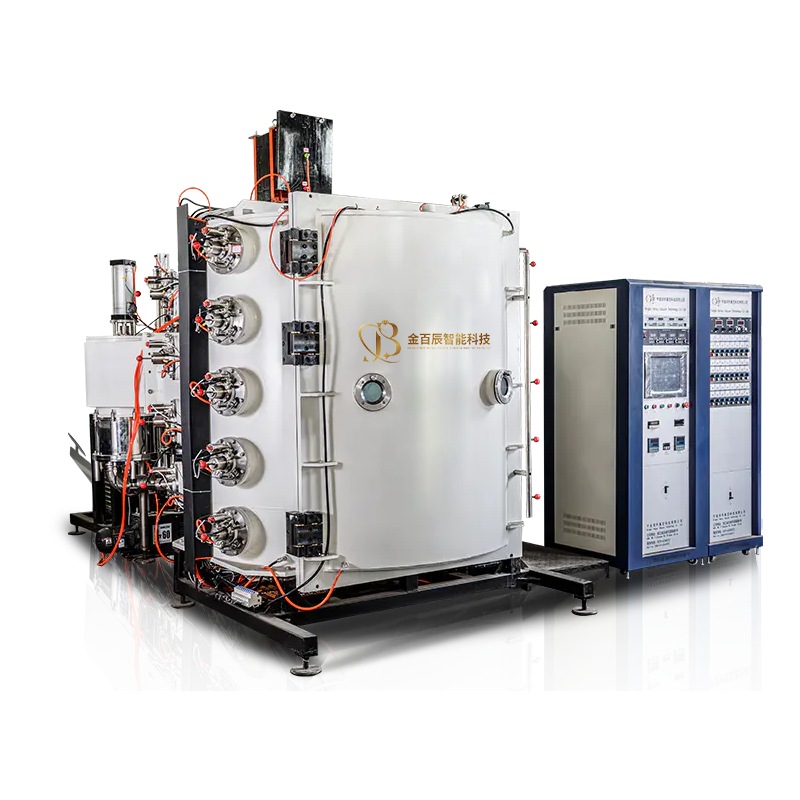
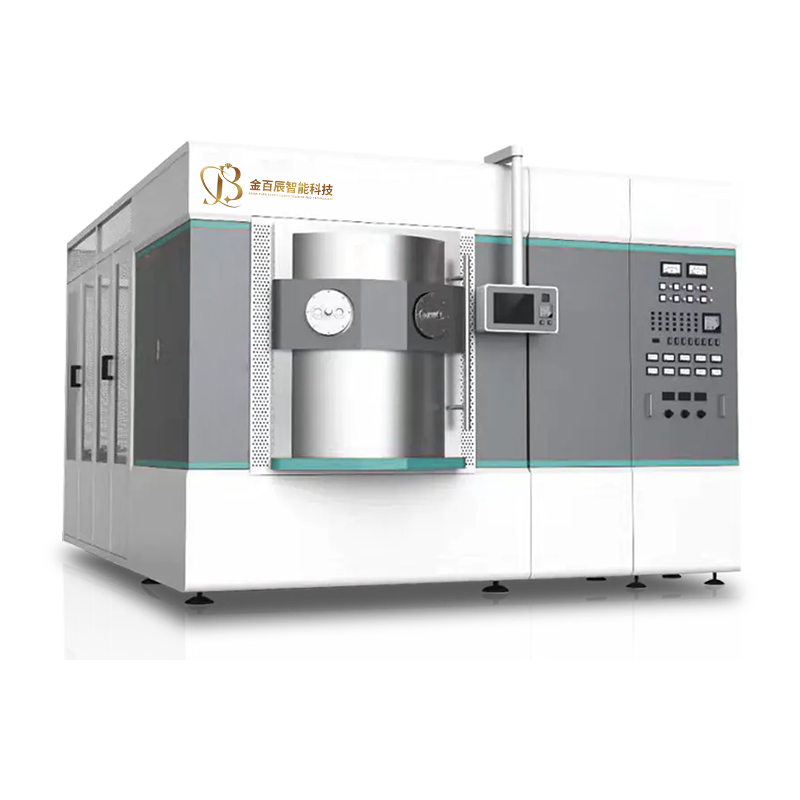
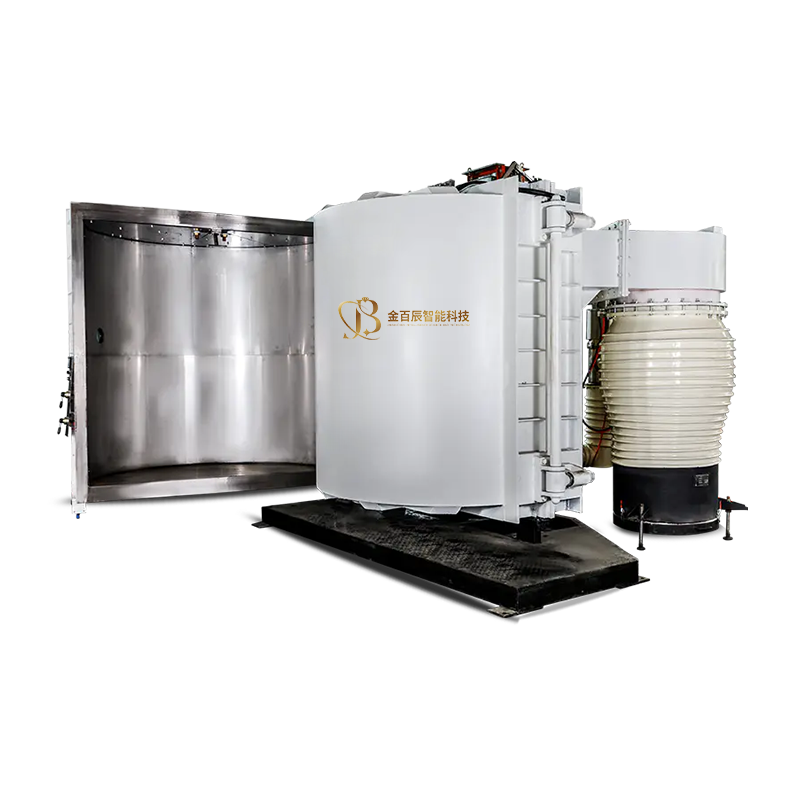
Glass in display and optical use is never just "clear material" in practice. Once it enters real environments, light starts interacting with the surface in ways that are not always stable. Reflection appears from different angles, brightness shifts depending on surroundings, and the viewing experience changes slightly with every lighting condition. That is usually where Optical Coating Equipment becomes part of the process.
In many production setups, glass goes through a sequence rather than a single step. Cleaning comes first, surface preparation follows, then coating is applied before final assembly or integration. The coating stage is where surface behavior is shaped, not the structure of the glass itself, but how it reacts to light after processing.
Without coating, glass behaves in a very direct way. Light hits the surface, part of it reflects, part of it passes through, and the balance changes depending on angle and environment. That can be acceptable in simple use, though display systems usually need more stable behavior.
Coating introduces another layer of control. Instead of one simple boundary, light meets multiple thin layers. Each layer adjusts how reflection and transmission happen. The change is subtle at the material level, yet visible in how the surface performs under normal viewing conditions.
In practical workflows, Optical Coating Equipment is usually connected with several functions:
None of these steps changes the shape of the glass. What changes is how light behaves when it interacts with it. That difference becomes more noticeable when glass is used in environments where lighting is not controlled.
Once coating is applied, glass no longer behaves as a single reflective surface. It becomes a layered system where light interacts with more than one boundary before it reaches the eye. Optical Coating Equipment controls how those layers are formed and how evenly they spread across the surface.
Bare glass often shows clear reflections, especially when light comes from an angle. That reflection can compete with what is displayed behind or inside the glass. After coating, that reflection becomes less direct because light is partially guided through the layered structure instead of bouncing straight back.
Transmission also changes in a more controlled way. Light passing through coated glass tends to behave in a more even pattern, instead of scattering unevenly across the surface. That helps when the material is used in display environments where visual stability matters.
A simple comparison helps describe the difference:
The goal is not to change glass into a different material, but to adjust how it responds to light in real use. That adjustment becomes more noticeable when lighting changes throughout the day or when viewing angles shift during operation.

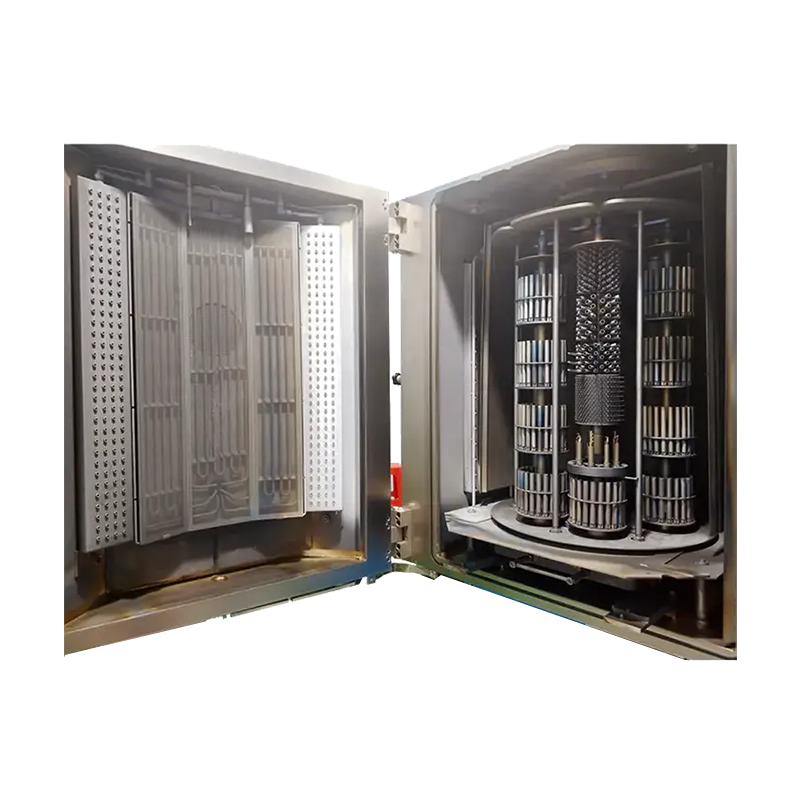
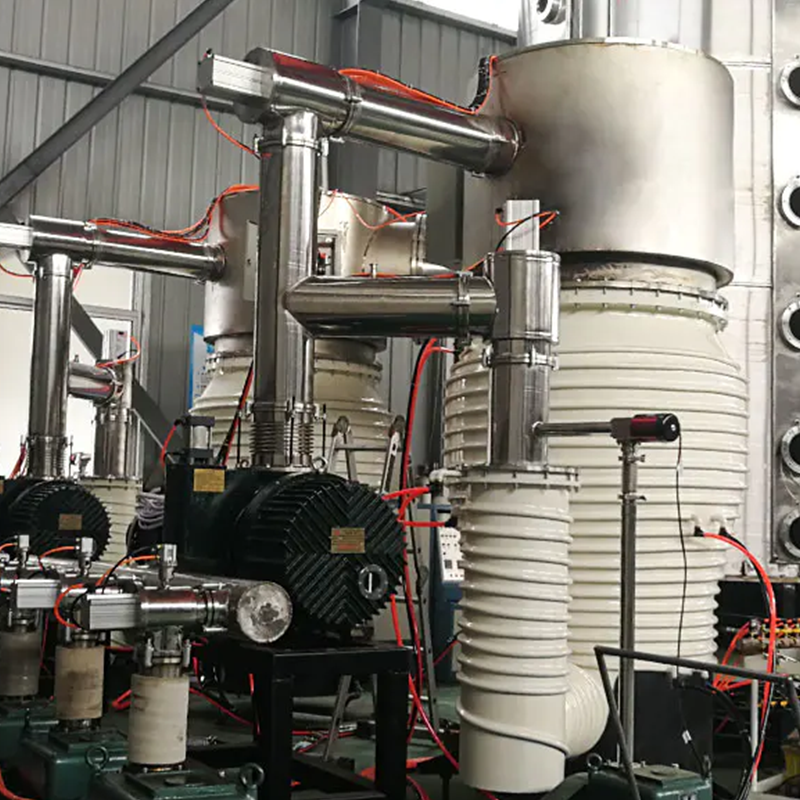
Vacuum Coating Technology works by creating a controlled space where coating material can move toward the glass surface without much interference from surrounding air. Inside that environment, particles travel in a more direct path, which helps them settle more evenly when they reach the surface.
If air pressure were higher, coating particles would scatter more before reaching the glass. That would make layer formation less consistent. Reducing that interference allows the coating to form in a more controlled pattern.
Inside the process, material is not applied all at once. It is deposited step by step, forming thin layers gradually. Each layer depends on how stable the environment stays during deposition. Even small changes in conditions can influence how smooth or even the final film becomes.
Some practical effects of vacuum conditions include:
The process is less about force and more about control. When conditions remain stable, coating layers form in a way that supports more predictable optical behavior later in use.
Display glass works under constantly changing lighting conditions. Bright rooms, shaded spaces, and shifting viewing angles all affect how the surface is seen. Without coating, reflections from the environment often interfere with what is shown on the display surface.
Optical Coating Equipment helps reduce that interference by shaping how light interacts with the glass surface before it reaches the viewer. Instead of strong direct reflection, light is partially redirected through layered structures, which softens visual disturbance.
Angle of view also plays a role. A surface without coating may look slightly different depending on where it is seen from. Coated surfaces tend to keep those differences smaller, so the visual result feels more consistent even when the viewing position changes.
Environmental light is another factor. Indoor lighting often comes from multiple directions. When glass is uncoated, those light sources can reflect clearly on the surface. Coating reduces that effect, allowing the content behind the glass to stay more visible.
General surface behavior differences can be described like this:
The focus stays on interaction between light and surface, not on changing what the glass is made of.
In coated glass, what looks smooth on the surface can still behave differently if the coating thickness is uneven. Light does not react kindly to imbalance across layers. One area may reflect slightly stronger, another may let more light pass through, and that difference becomes visible when the glass is used in real environments.
Optical Coating Equipment is usually adjusted to keep that layer behavior as even as possible. The reason is simple. Glass is often used in wide, flat surfaces where the eye can easily notice inconsistency, especially under steady lighting.
Layer uniformity affects how light travels through the surface. When thickness shifts from one area to another, the optical response changes along with it.
Several factors tend to influence uniformity:
Surface preparation also plays a quiet role. Even small particles or uneven cleaning can affect how coating material spreads. Once the process starts, those small differences can carry through the entire layer structure.
It means behavior stays close enough across the surface so light interaction feels continuous instead of broken into patches.
Glass is not always identical in structure. Different compositions and surface textures can slightly change how coating materials attach and spread. That variation becomes important when working with thin layers that depend on precision.
Before coating begins, surface condition matters more than it might seem. A clean and evenly prepared surface allows coating material to settle without interruption. If the surface carries uneven texture or residue, coating behavior can shift in small ways that later affect optical response.
Once coating starts, the interaction between materials begins to shape the final outcome. Some surfaces allow coating layers to bond more smoothly, while others need more controlled application to reach similar consistency.
A few common influencing factors include:
These elements do not work separately. They interact during coating, and small changes in one area can influence the final layer behavior.
Optical coating does not sit alone in production. It usually connects with several surrounding steps that prepare, support, and stabilize the glass before and after coating.
Surface cleaning often comes before anything else. Dust or residue can interfere with how coating material spreads, so preparation becomes part of the optical result rather than just surface maintenance.
After cleaning, coating deposition begins. Optical Coating Equipment applies thin layers in a controlled sequence, building the surface gradually instead of all at once. Each layer interacts with the one before it, shaping how light will behave later.
After coating, the surface may go through stabilization steps. That stage helps ensure the layers remain stable and evenly settled before moving into later assembly or integration.
Typical process flow:
Each stage connects to the next. If one step shifts slightly, the later optical behavior may also shift.
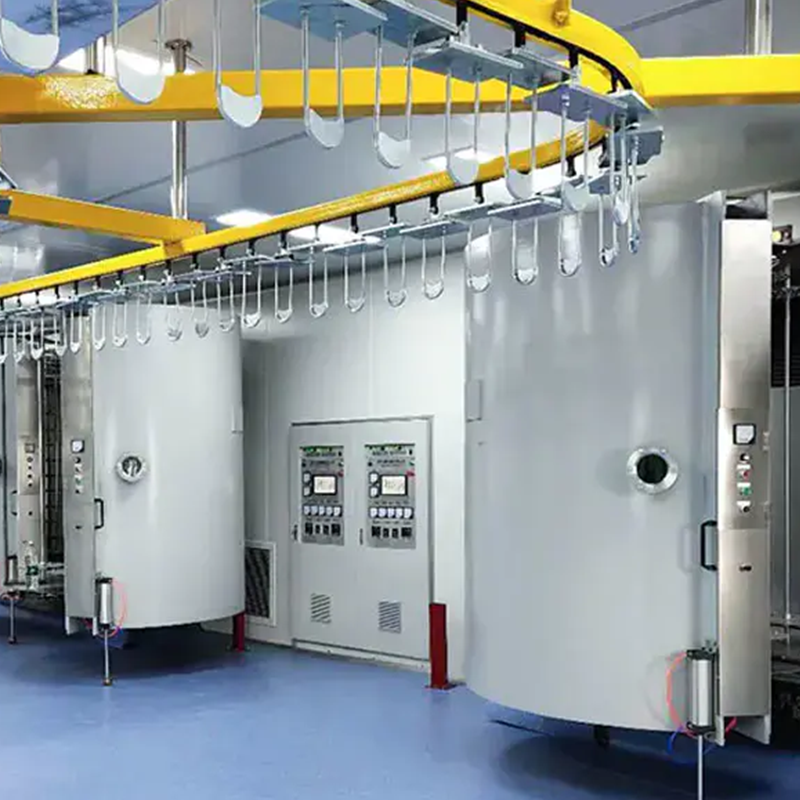
In larger production environments, coating is rarely an isolated operation. It is placed inside a continuous flow where glass moves through multiple stations. Vacuum Coating Technology becomes one of those controlled stages that must align with both upstream preparation and downstream assembly.
Before coating, glass arrives in a prepared state. After coating, it continues toward inspection, cutting, or integration depending on the product type. The coating stage sits in between, acting as a controlled transformation point for surface behavior.
Integration requires steady timing. Glass panels move through systems where each step follows a set sequence. If coating conditions vary too much, later stages may need adjustment, so stability inside the vacuum environment helps reduce that variation.
Key integration points include:
The vacuum stage does not exist separately from the line. It works as part of a connected system where each stage influences the next.
Even with controlled systems, coating behavior can shift slightly during long operation cycles. Small environmental changes, material variation, or equipment drift can influence how layers form on the glass surface.
One challenge comes from environmental sensitivity. Coating processes react to small changes in surrounding conditions. Even minor shifts inside the system can influence layer formation over time.
Another challenge is equipment stability. Over extended use, internal components may gradually shift in behavior, which affects coating consistency. Regular adjustment becomes part of keeping output stable.
Material variation also plays a role. Coating materials may not behave exactly the same across all batches, which introduces small differences in layer formation.
Common sources of variation include:
Maintaining consistency becomes a matter of balancing all these factors so that coating behavior remains close across repeated cycles, even when conditions are not identical each time.
Realize environmental protection requirements with advanced technology and solve the shortcomings of water electroplating.
Vacuum Coating Equipment Manufacturer