English
  中文简体
中文简体

Industry News
The technical team of Jinbaichen has over 30 years of experience in the research and development of vacuum coating equipment and technological accumulation.


The technical team of Jinbaichen has over 30 years of experience in the research and development of vacuum coating equipment and technological accumulation.
Surface scratches appear in daily life far more often than many people realize. A stainless steel elevator button touched hundreds of times each day slowly loses its smooth finish. A kitchen faucet begins showing thin lines near the handle area after repeated cleaning. A mobile phone frame placed beside keys inside a pocket develops visible wear around the edges. In many cases, damage starts from ordinary contact rather than heavy impact.
Small particles are one of the main causes. Dust may look soft, though many particles contain hard mineral fragments. Once trapped between two surfaces, those particles act like fine abrasives. During wiping or sliding, they cut shallow marks into the outer layer little by little.
Household cleaning also contributes to surface wear. Rough cloth fibers, dry wiping, and repeated rubbing slowly change the texture of decorative finishes. Dark-colored metal parts usually show scratches more clearly because reflected light makes shallow marks easier to notice.
Several situations commonly seen in daily environments:
Soft materials are affected more quickly. Untreated plastic covers often become dull after long use because the outer surface gradually loses smoothness. Polished metal without protective treatment may develop fine circular marks during cleaning.
Many scratches are microscopic in the beginning. The surface still appears smooth under normal light, although tiny grooves already exist. Over time, dirt settles into those grooves and makes damage more visible. Once the outer layer becomes uneven, later scratches form more easily because friction no longer spreads evenly across the surface.
For manufacturers producing decorative hardware, consumer electronics, kitchen fittings, or bathroom accessories, surface appearance directly affects product perception. A material may still function normally while visible wear creates an aged appearance much earlier than expected.
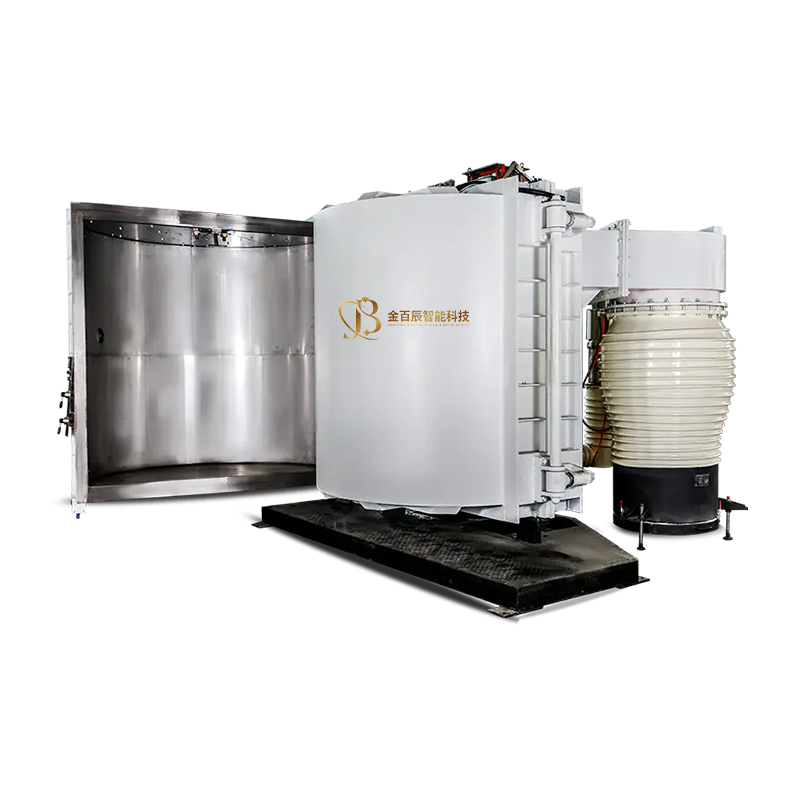
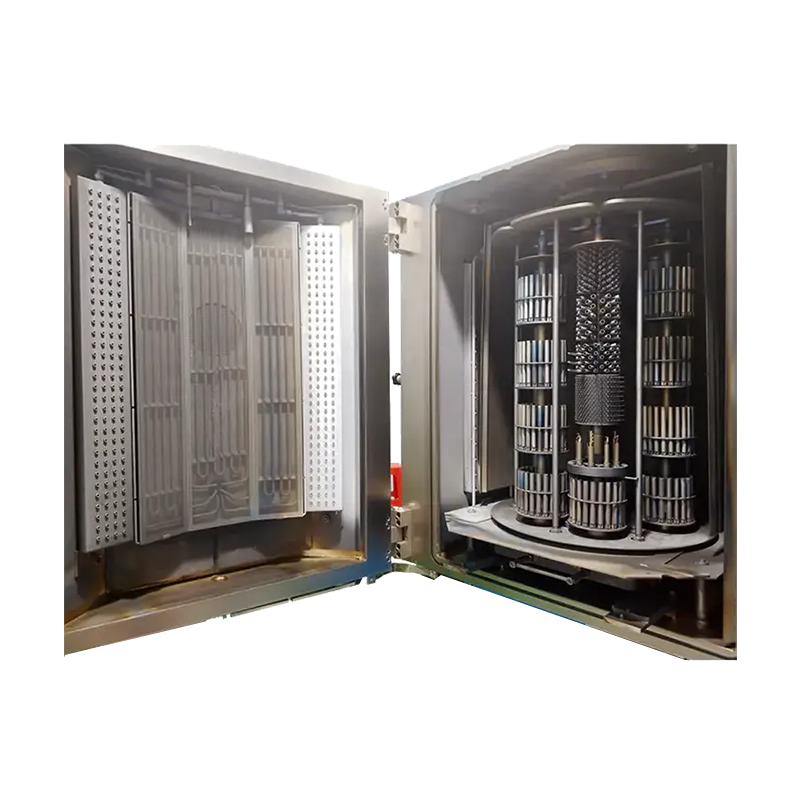
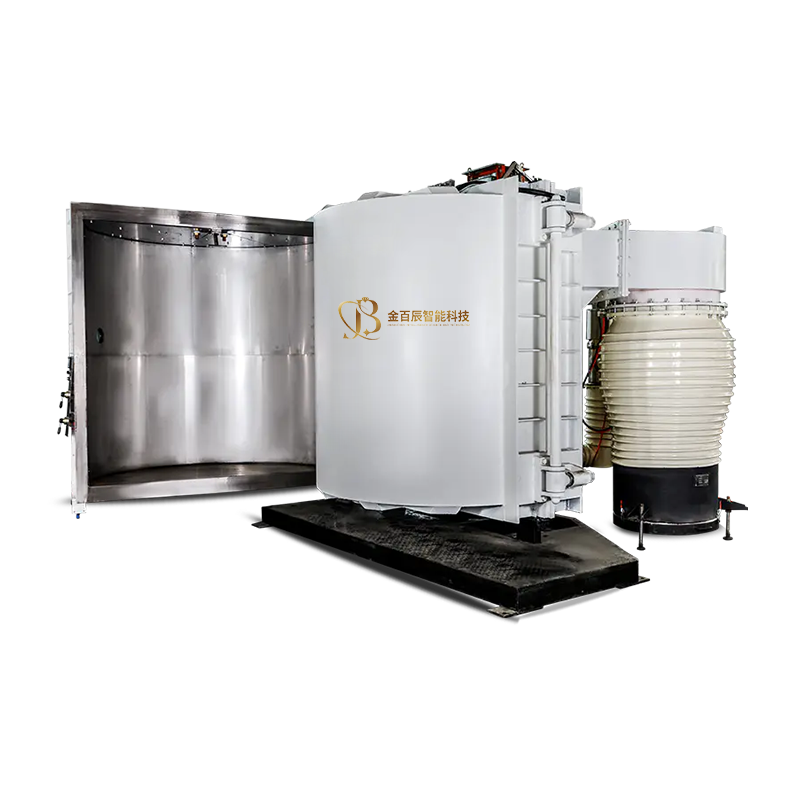
Vacuum Coating Technology creates a protective film through a process very different from ordinary painting or spraying. Instead of applying liquid material onto the surface, the coating material changes into vaporized particles inside a sealed chamber. Those particles travel through the vacuum environment and settle onto the product layer by layer.
The vacuum environment is important because air and moisture are greatly reduced during processing. In open-air coating methods, dust and tiny contaminants can become trapped inside the surface layer. That weakens smoothness and creates uneven areas. Inside a vacuum chamber, the coating grows in a cleaner and denser way.
A simple way to picture the process is to imagine fine particles building a tightly packed shell over the product surface. Each deposited layer becomes part of the protective structure rather than sitting loosely on top.
In practical products, the coating layer is extremely thin, though its effect on surface behavior is noticeable during daily use. Metal parts coated through vacuum deposition often keep their appearance longer under repeated handling.
Common examples include:
The protective film changes how the surface reacts to friction. On untreated materials, contact pressure concentrates directly on the outer layer. On coated surfaces, the denser film absorbs and spreads part of the force before deeper scratching develops.
Surface smoothness also improves after proper coating deposition. Uneven finishes contain microscopic high points where friction concentrates more easily. A compact vacuum deposited layer creates a flatter contact surface, reducing sharp friction points during handling and cleaning.
Scratch resistance is closely connected to hardness. A harder surface is more difficult to penetrate during contact with sharp or rough objects.
A simple comparison can be seen in household products. Soft plastic storage boxes often show marks after sliding across shelves a few times. Stainless steel door hardware with a hard protective coating usually maintains a cleaner appearance even after repeated touching.
When pressure reaches a softer surface, the material deforms more easily. The outer layer bends or cuts under friction, leaving visible lines behind. Vacuum Coating Technology reduces this effect by adding a harder outer film while keeping the original material underneath unchanged.
Hard coatings work like a protective shield. Contact still happens during use, though the outer layer resists penetration more effectively. Instead of allowing sharp objects to cut deeply into the surface, the coating helps distribute friction across a broader area.
In practical environments, hardness matters for products exposed to constant touching:
Harder coatings also help reduce micro-abrasion caused by dust. Fine particles repeatedly moving across untreated surfaces slowly wear down the finish. A denser and harder film creates stronger resistance against that gradual damage.
Surface hardness alone does not guarantee durability. A hard layer without stable bonding may crack or peel under stress. Because of that, coating adhesion and hardness are usually developed together during vacuum deposition processing.
Coating density affects how well the protective layer resists wear. A loose or porous surface contains microscopic gaps where friction and moisture can enter more easily. Once those weak points appear, scratches spread faster across the material.
Vacuum Coating Technology improves density because the coating forms inside a controlled environment with reduced contamination. Fewer unwanted particles remain trapped inside the film, allowing the deposited layer to grow more evenly.
A dense coating behaves differently during daily contact. Instead of wearing unevenly, the surface maintains a more stable structure under repeated rubbing and cleaning.
Adhesion is equally important. The coating needs to remain tightly attached to the base material throughout long-term handling. Weak bonding often leads to peeling near edges or corners where friction is concentrated.
Several practical factors influence adhesion quality:
| Surface Condition | Influence On Coating Stability |
|---|---|
| Clean polished surface | Improves bonding consistency |
| Dust contamination | Creates weak attachment areas |
| Stable vacuum processing | Supports uniform layer growth |
| Even particle deposition | Reduces uneven wear |
A well-bonded coating behaves more like part of the original material rather than a separate covering. During daily handling, the protective layer moves together with the surface instead of separating under stress.
This becomes especially important for products exposed to moisture and repeated cleaning, such as bathroom fittings, kitchen hardware, and decorative metal accessories.
Friction is one of the main causes of visible surface wear. When two objects slide against each other, resistance builds at the contact point. Higher resistance increases the chance of scraping and abrasion.
Vacuum Coating Technology can create smoother low-friction surfaces that allow objects to move more easily across the material. Instead of digging into the surface, contact pressure spreads more gently during movement.
A simple everyday example appears on coated drawer handles. Untreated metal may gradually develop dull rubbing marks from rings or fingernails. A smoother coated surface reduces drag during contact, slowing down visible wear.
Low-friction coatings help in several practical situations:
Smooth surface behavior also reduces noise and drag in some applications. Coated hinges, handles, and sliding components often feel cleaner during movement because friction is reduced at the surface level.
During long-term use, lower friction means fewer deep abrasion marks develop on decorative finishes. The surface still experiences contact every day, though wear progresses more slowly and evenly.
Scratches are not always caused by slow rubbing. Sudden contact from sharp objects can also damage a surface in a very short moment. A metal key dropped onto a decorative panel, a kitchen tool striking a faucet, or a zipper scraping a luggage frame may all leave visible marks.
Vacuum Coating Technology helps reduce this kind of damage by creating a compact outer layer that spreads contact force across a wider area. Instead of allowing pressure to concentrate at one small point, the coating distributes part of the impact along the surface.
A simple comparison can be seen on untreated polished metal. Sharp contact usually creates a visible line immediately because the force presses directly into the soft outer layer. After vacuum coating treatment, the surface becomes more resistant to localized pressure.
In daily use environments, impact diffusion matters for products exposed to repeated accidental contact:
The coating layer does not completely stop wear. Ordinary use still creates gradual surface change over time. The difference is that damage develops more slowly and remains shallower under similar conditions.
Another practical advantage appears during cleaning. Cloth movement across a smooth coated surface creates less concentrated pressure compared with rough untreated finishes. Reduced pressure concentration lowers the chance of creating fine circular marks during wiping.
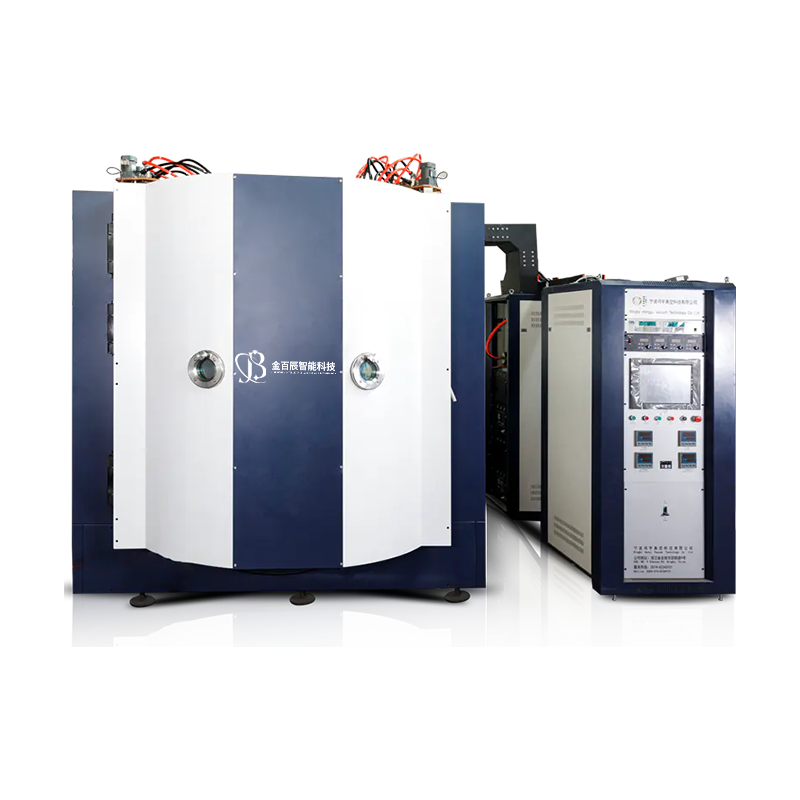
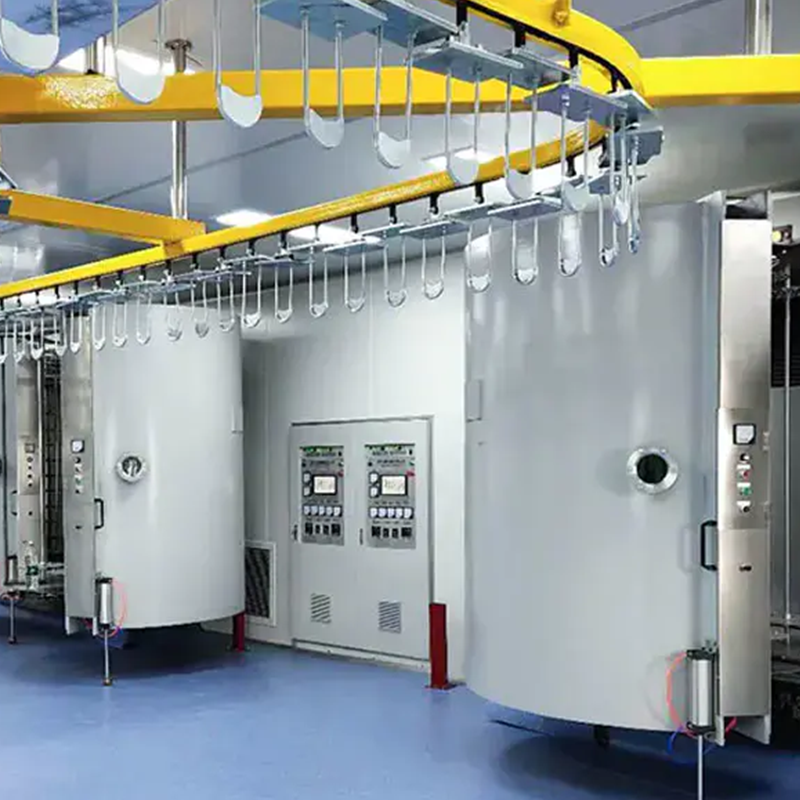
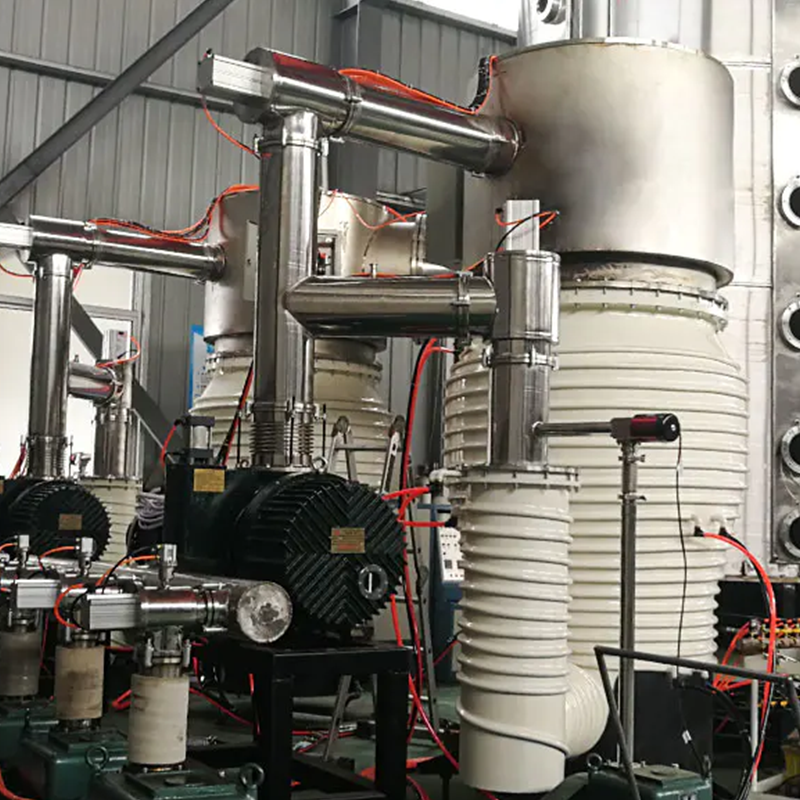
High Vacuum Coating Equipment directly affects how evenly the protective layer forms. A stable vacuum environment allows coating particles to travel more smoothly toward the product surface during processing.
When vacuum conditions remain steady, the deposited film becomes more uniform from one area to another. Uniformity matters because uneven coating thickness often creates weak sections where scratches appear earlier.
Daily-use products usually contain curves, corners, and narrow edges. During processing, those shapes require controlled particle movement so the coating can cover the entire surface consistently.
Several practical factors influence coating stability:
Poor chamber cleanliness may introduce small particles into the coating layer. Even tiny contamination can affect smoothness and create weak points that become visible later during use.
Stable equipment operation also affects appearance consistency. Decorative hardware with uneven coating thickness may reflect light differently across the surface, making wear more noticeable after handling.
In products such as door handles, watches, eyewear frames, and furniture hardware, surface consistency influences both durability and visual quality during long-term use.
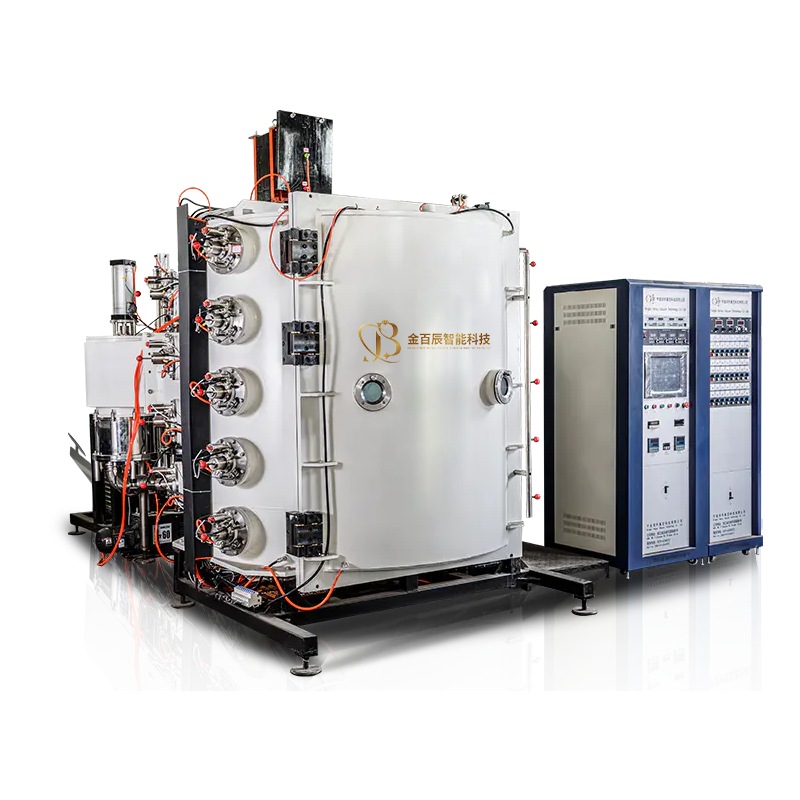
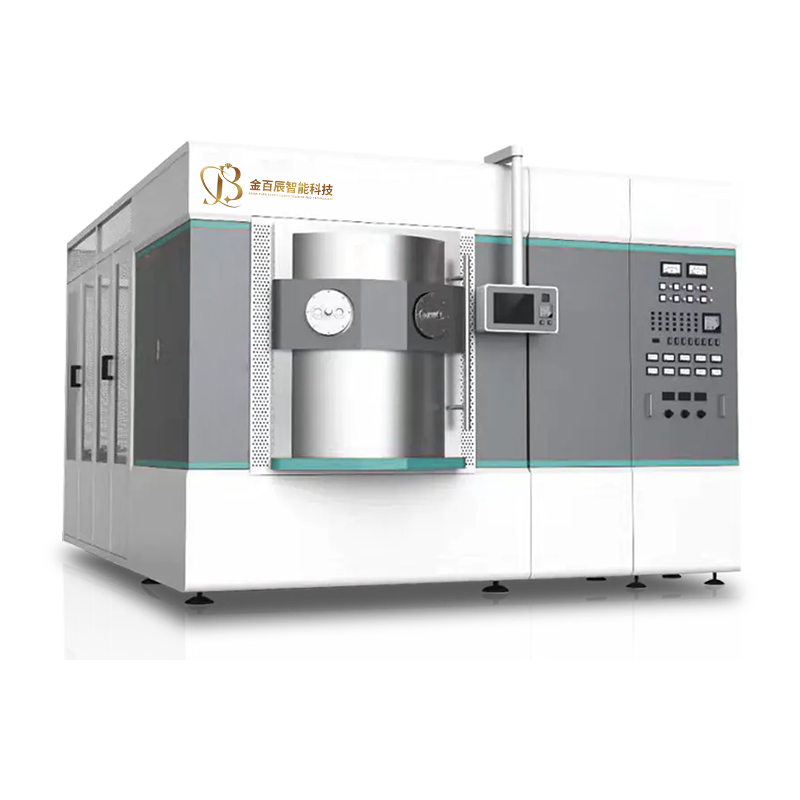
Multi Arc Ion Vacuum Coating Equipment improves coating formation by using ionized particles during deposition. Compared with ordinary particle movement, ionized particles carry higher activity when reaching the product surface.
During processing, energetic particles interact more strongly with the material underneath. The coating grows in a denser and tighter structure, improving both hardness and adhesion.
In practical use, denser films resist abrasion more effectively because fewer weak areas remain inside the coating layer. Repeated contact from fingers, cloth, tools, or small particles produces less visible wear over time.
Several practical effects appear after ion-based deposition:
For decorative products, coating compactness is especially important around corners and edges. Those areas usually experience higher contact pressure during daily handling.
Ion-assisted deposition also helps the coating remain attached more steadily after long-term cleaning and touching. Weakly bonded layers often wear unevenly near edges because friction concentrates there more easily.
Products commonly using this type of coating process include:
In many of these applications, appearance stability remains important because products stay visible during daily use.
Vacuum Coating Technology is used on many different materials because scratch resistance needs are not limited to one industry. Both metal and non-metal products benefit from harder and denser surface layers.
Stainless steel is one common example. Although stainless steel already has reasonable durability, polished surfaces still develop visible scratches after repeated handling. Vacuum coating helps reduce that wear while also changing color and surface texture.
Plastic products also benefit from coating treatment. Plastic is lightweight and easy to shape, although untreated surfaces scratch relatively easily. A coated outer layer gives the material a harder exterior without changing the lightweight structure underneath.
Glass and ceramic surfaces use coating treatment for similar reasons. Smooth decorative surfaces exposed to frequent touching often require additional protection against fine abrasion.
Materials frequently processed with vacuum coating include:
Different materials respond differently during coating deposition. Surface preparation therefore becomes an important part of the process.
Consumer products are touched constantly during daily life. Mobile device frames slide across tables, metal buttons experience repeated pressing, and decorative hardware faces frequent cleaning.
Without surface protection, visible wear develops relatively quickly under this type of repeated contact. Vacuum Coating Technology helps slow that process by creating a harder and smoother exterior layer.
In consumer electronics, coating treatment is often used on:
The purpose is not only appearance. Repeated touching introduces oils, dust, and fine friction particles onto the surface every day. A denser coating layer resists that gradual wear more effectively.
Household hardware applications follow similar logic. Kitchen and bathroom environments expose surfaces to:
A smoother coated surface is generally easier to clean because dirt and moisture have fewer microscopic gaps to settle into.
For decorative metal hardware, long-term appearance matters because visible wear becomes noticeable very quickly on polished surfaces. Vacuum coating helps maintain a cleaner surface texture during ordinary daily use.
 Vacuum Coating Equipment Manufacturer