English
  中文简体
中文简体

Industry News
The technical team of Jinbaichen has over 30 years of experience in the research and development of vacuum coating equipment and technological accumulation.


The technical team of Jinbaichen has over 30 years of experience in the research and development of vacuum coating equipment and technological accumulation.
When people look through a lens, they usually focus on clarity, brightness, and surface cleanliness. What many do not notice is that the outer surface of the lens has already gone through several treatment steps before reaching final use. One important part of that process is optical coating.
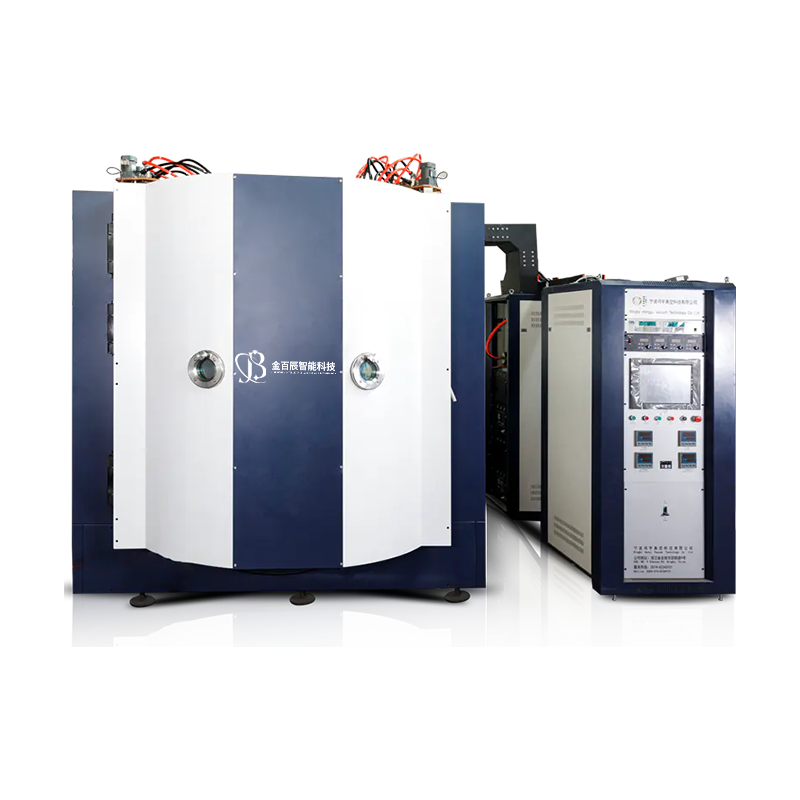
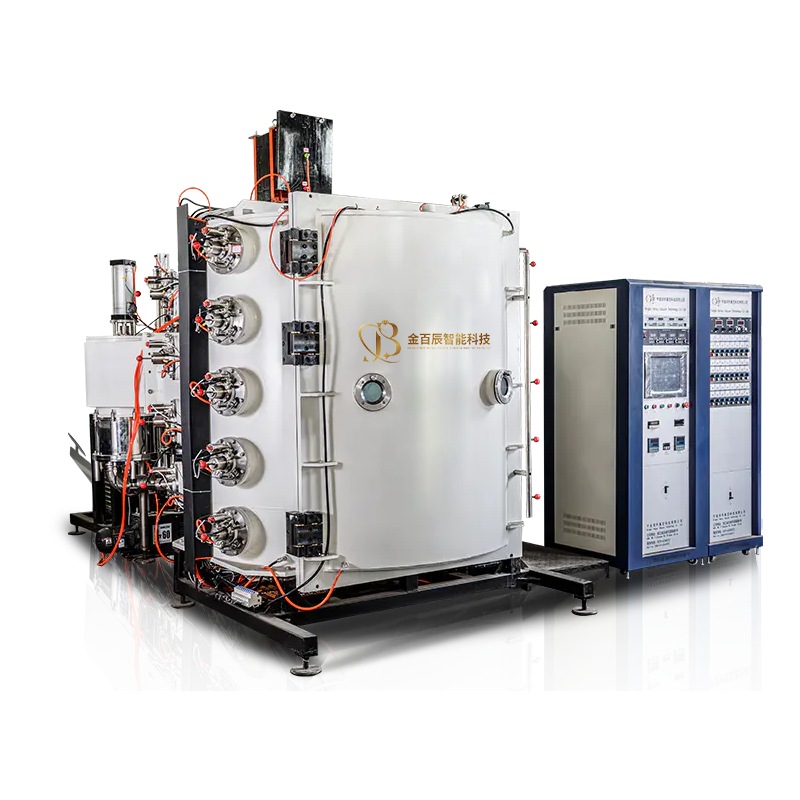
Optical Coating Equipment is used to place thin functional layers onto the surface of lenses and transparent materials. These layers are very thin, but they influence how the surface reacts to light, fingerprints, dust, moisture, and daily handling.
The purpose of coating is not simply visual decoration. In many cases, the goal is to make the lens surface behave in a more stable and controlled way during use.
Without coating treatment, light can reflect strongly from the surface. Under bright conditions, this reflection may affect viewing comfort. Surface treatment helps reduce some of these effects by changing how the outer layer interacts with incoming light.
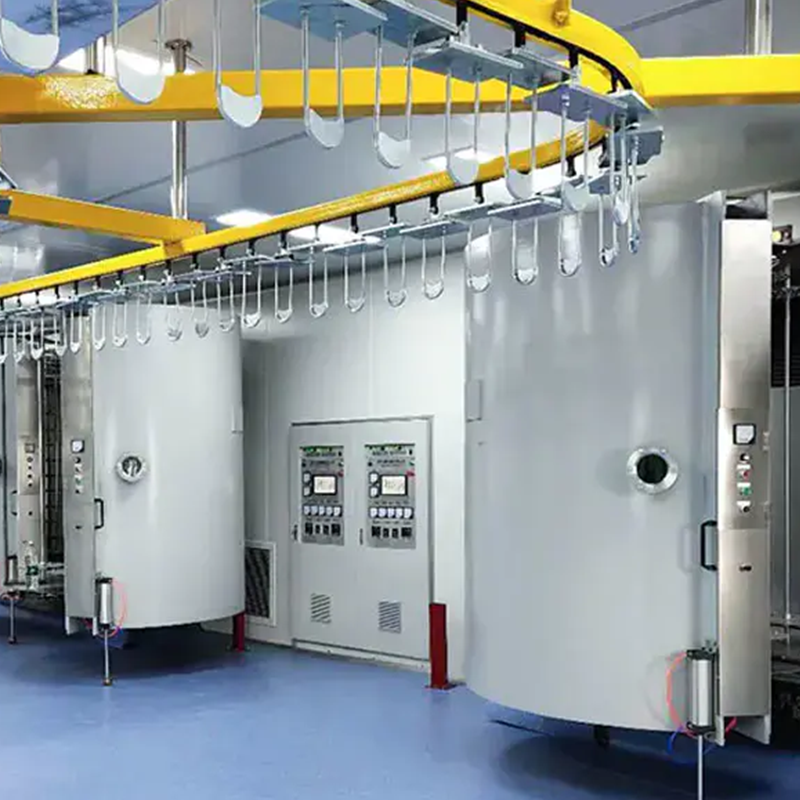
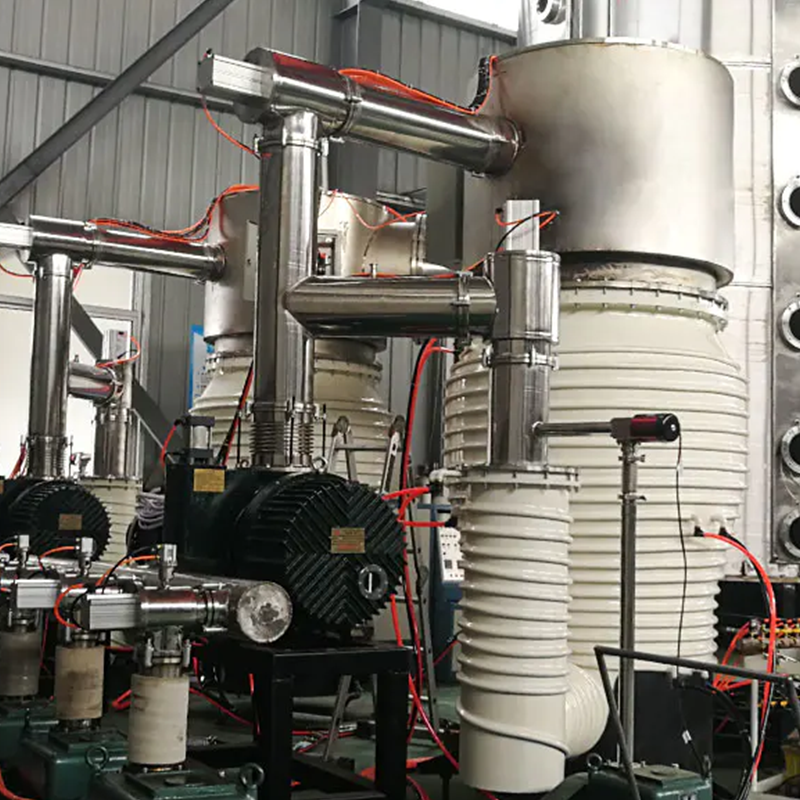
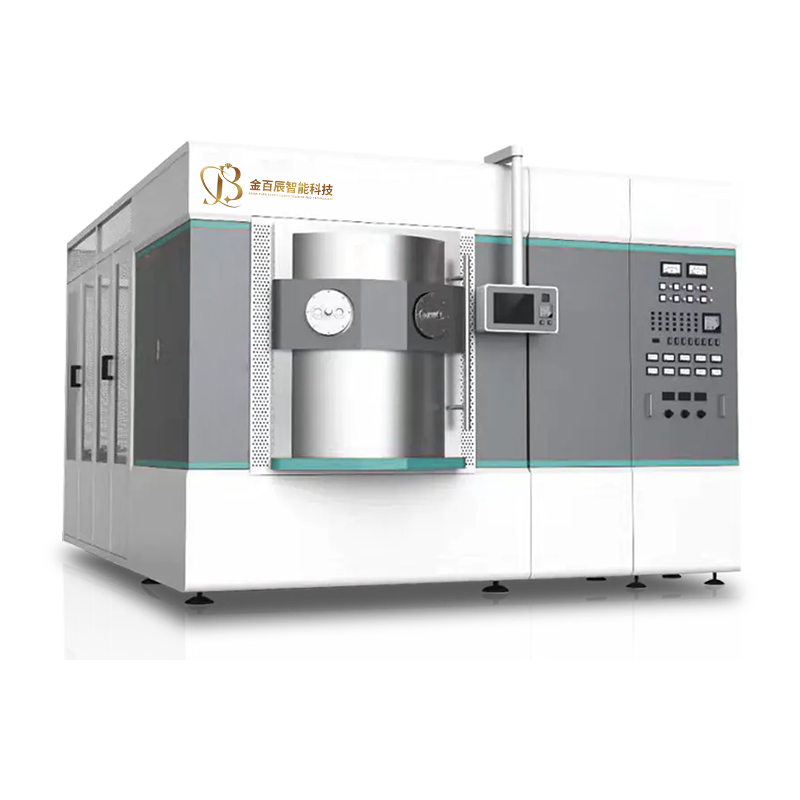
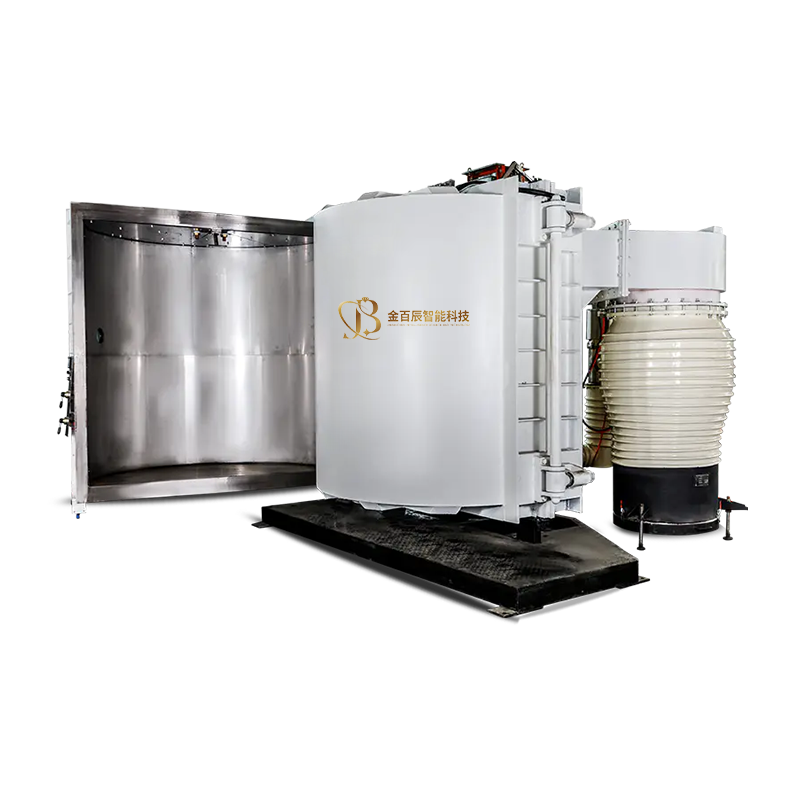
The equipment itself creates a controlled environment where coating materials can attach evenly to the lens surface. The process depends on stable conditions, because even small surface changes may influence optical behavior later.
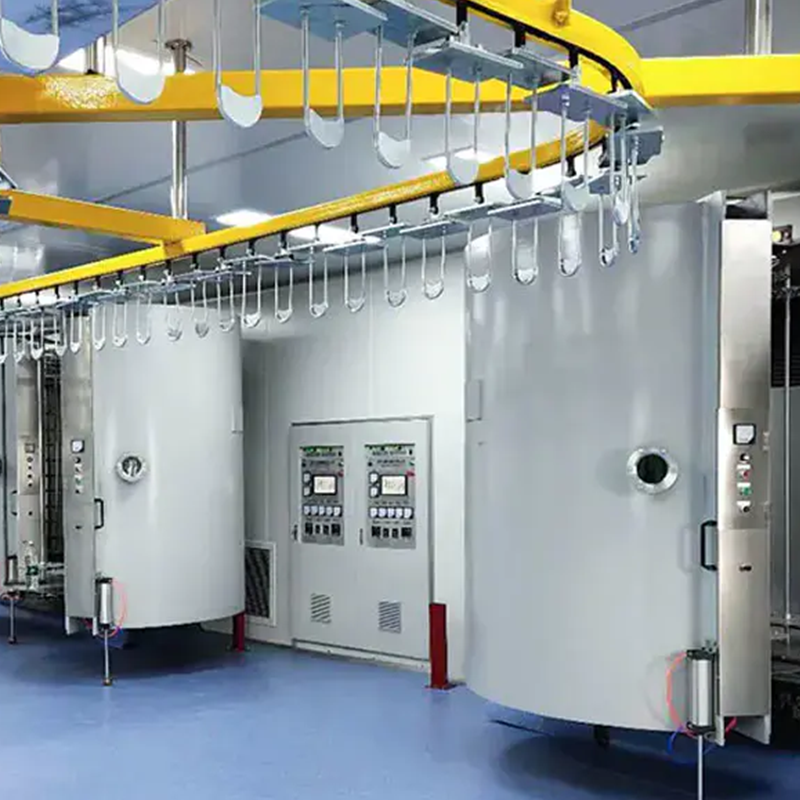
The coating process works by building extremely thin layers onto the lens surface step by step. Even though these layers are difficult to notice directly, they influence the surface in several practical ways.
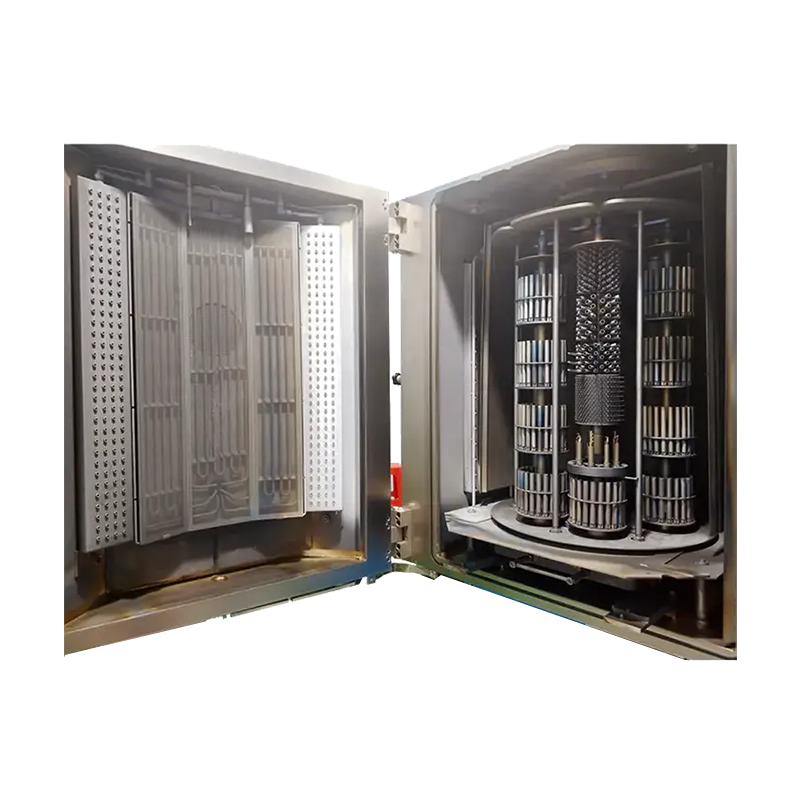
Inside the equipment, coating material is transformed into a fine state and then guided toward the lens in a controlled environment. During this stage, the lens surface must remain clean and stable so the coating can attach evenly.
Several process conditions affect the result:
If particles such as dust remain on the surface before coating begins, the thin layer may become uneven. Small irregularities on the outer layer can later affect light behavior or surface appearance.
The process itself is gradual rather than aggressive. The coating material does not cover the lens like paint. Instead, it forms a controlled microscopic layer connected directly to the surface structure.
This is one reason why optical coating environments place strong attention on cleanliness and process stability.
The surface of a lens is the area that directly interacts with light and the surrounding environment. Even if the lens material itself is stable, the outer layer still affects viewing quality.
A plain untreated surface often reflects more surrounding light. Under sunlight, screens, or indoor lighting, these reflections may become more visible. In some situations, glare can make viewing less comfortable.
Coating technology changes this surface behavior.
Instead of allowing light to scatter irregularly from the outer layer, coating structures help guide light movement in a more balanced way. This does not completely remove reflection, but it can reduce unnecessary surface glare during normal use.
Practical surface improvements may include:
Another important point is surface stability. Lenses are touched, cleaned, and exposed to environmental conditions repeatedly. A treated surface often responds more consistently during repeated use compared with an untreated one.
Light behavior is one of the main reasons coating processes are used in optical manufacturing.
When light reaches a plain lens surface, some of it passes through while another part reflects away. If the reflection becomes too noticeable, it may create glare or reduce viewing comfort.
Optical coating changes how this outer surface handles incoming light.
The coating layer helps control reflection by adjusting how light moves across the lens surface. Instead of scattering strongly outward, more light can pass through the lens in a smoother way.
This difference becomes easier to notice in environments such as:
| Surface Behavior | Untreated Lens | Coated Lens |
|---|---|---|
| Reflection visibility | More noticeable | Softer appearance |
| Light movement | Less controlled | More balanced |
| Glare response | Stronger under bright light | Reduced visual disturbance |
| Surface appearance | Clear reflection marks | Smoother visual effect |
Lens surfaces face many small forms of stress during normal use. Touching, cleaning, environmental dust, and changing light conditions all influence the outer layer.
Optical coating is often used to help reduce some of these common surface problems.
One example is glare. Under strong lighting, untreated surfaces may reflect light sharply. Coating layers can soften this reflection and reduce visual distraction.
Another issue is fingerprint visibility. Smooth untreated surfaces sometimes show marks more clearly after handling. Certain coating structures can make these marks less noticeable during daily use.
Other practical surface concerns include:
The coating does not completely stop environmental influence, but it creates a more controlled outer layer between the lens and surrounding conditions.
Optical coating processes are usually carried out inside controlled vacuum environments. This is important because the coating layer is extremely thin and sensitive to contamination.
If ordinary air particles remain inside the chamber, they may interfere with coating attachment. Even small amounts of dust can affect surface consistency.
The vacuum environment helps by:
Inside the chamber, coating material travels toward the lens surface in a more controlled way than it would under normal atmospheric conditions.
The stability of this environment affects how evenly the coating layer forms across the lens.
For optical surfaces, consistency matters because uneven film thickness can later influence both appearance and light behavior.
Optical coating is not limited to one type of lens material. Different transparent surfaces may go through similar coating processes depending on their application.
Glass lenses are commonly processed because they are widely used in optical systems and visual products. Plastic lenses are also frequently coated, especially in products where lighter weight is preferred.
Other processed materials may include:
Some surfaces allow coating layers to attach more easily, while others require more preparation before processing begins. Cleaning, drying, and surface condition all influence the final result.
Uniformity means the coating layer remains consistent across the entire lens surface.
If some areas receive thicker coating while others receive less, light may behave differently across different sections of the lens. This can affect visual consistency and surface appearance.
Even coating distribution helps support:
Uniformity depends on several process factors working together, including chamber stability, movement control, temperature balance, and material distribution during deposition.
In practical manufacturing environments, maintaining stable coating consistency is often one of the more important parts of optical surface processing.
Temperature affects nearly every stage of optical coating, even when the changes are not visible from the outside.
During processing, coating materials need stable thermal conditions so they can move and attach evenly to the lens surface. If the temperature changes too quickly, the coating layer may form unevenly or attach with different thickness across the surface.
The lens material itself also reacts to heat. Glass and plastic surfaces do not respond in exactly the same way, so temperature control often depends on the type of substrate being processed.
In practical production environments, temperature management helps support:
Cooling stages are also important. After coating is completed, the surface needs time to stabilize before moving into inspection or handling steps. Sudden environmental changes during this stage may influence the final surface condition.
Because optical films are thin and sensitive, small temperature variations sometimes create noticeable differences later during use.
Different lenses are used in different environments, so coating requirements also change depending on the final application.
For daily eyewear, surface treatment is often connected to glare reduction and visual comfort. In display-related products, coating may help manage reflection from surrounding light sources. In industrial optical systems, the focus may be more related to surface consistency and stable light behavior.
Although the basic coating process remains similar, the final surface structure can vary according to use conditions.
Common application areas include:
Each application places attention on different surface behaviors. Some environments require lower reflection, while others focus more on durability during repeated handling.
This is one reason coating systems are designed to support different processing conditions rather than a single fixed production method.
Optical coating involves controlled conditions, but several practical challenges can still appear during production.
One common issue is surface contamination before coating begins. Even small particles may interrupt film attachment and create visible irregularities later.
Another challenge is maintaining even coating distribution across the entire lens surface. If movement inside the chamber becomes unstable, certain areas may receive different coating thickness.
Other practical process concerns include:
In many production environments, operators spend considerable time controlling these small factors because optical surfaces react very sensitively to process variation.
The coating itself may be microscopic, but the conditions around it strongly influence the final result.
Automation has gradually become more common in optical coating environments because coating processes depend heavily on consistency.
Manual adjustment is still important in many situations, but automated systems help maintain stable movement and repeated processing conditions during production cycles.
Automatic control may support:
Automation also helps reduce handling variation between production batches. Since optical surfaces are sensitive to environmental and process changes, stable operation often improves coating consistency over time.
In some systems, monitoring functions are integrated directly into the equipment so operators can observe pressure, movement, and temperature conditions during operation.
The goal is usually not speed alone. More often, automation is connected to stability and repeatability during surface treatment processes.
Optical Coating Equipment works in controlled environments, so maintenance is closely related to cleanliness and stable operating conditions.
One important task is chamber cleaning. Over time, coating residue may gradually collect inside the system. If not removed regularly, these particles may affect later coating cycles.
Routine maintenance often includes:
Environmental cleanliness around the equipment also matters. Dust entering the chamber area may influence coating consistency even before processing starts.
Maintenance is usually preventive rather than corrective. Small irregularities inside optical coating systems may eventually affect surface quality if ignored for long periods.
Although coating technology mainly influences optical behavior, it also changes how the lens surface looks under different lighting conditions.
Untreated surfaces often reflect light more sharply. After coating, the reflection may appear softer or less noticeable depending on the film structure.
Appearance changes commonly include:
Certain coatings may also influence color tone slightly when viewed from different angles. This effect is usually connected to how thin film layers interact with light.
The appearance difference is often subtle, but it contributes to how the finished lens is visually perceived during daily use.
Selecting Optical Coating Equipment depends on more than production size alone. Different lens materials and coating goals require different processing conditions.
Before choosing equipment, manufacturers often evaluate:
Some coating systems are designed for flexible processing across different materials, while others focus on stable operation within narrower production conditions.
Environmental control is another important factor. Since optical coating depends heavily on cleanliness and process consistency, the surrounding production area also affects equipment performance.
The selection process is usually connected to practical workflow needs rather than equipment appearance alone.
Optical surface processing continues to change along with manufacturing requirements. As lens applications become more varied, coating systems are also adapting to support more flexible production environments.
Recent development directions often focus on:
Manufacturing environments are also placing greater attention on operational stability during long production periods.
Instead of focusing only on output, many processing environments now place more value on surface consistency, process repeatability, and easier workflow control.
As optical products continue to appear in different industries and daily-use environments, coating equipment remains closely connected to how lens surfaces perform during actual use conditions.
 Vacuum Coating Equipment Manufacturer