Industry News
The technical team of Jinbaichen has over 30 years of experience in the research and development of vacuum coating equipment and technological accumulation.
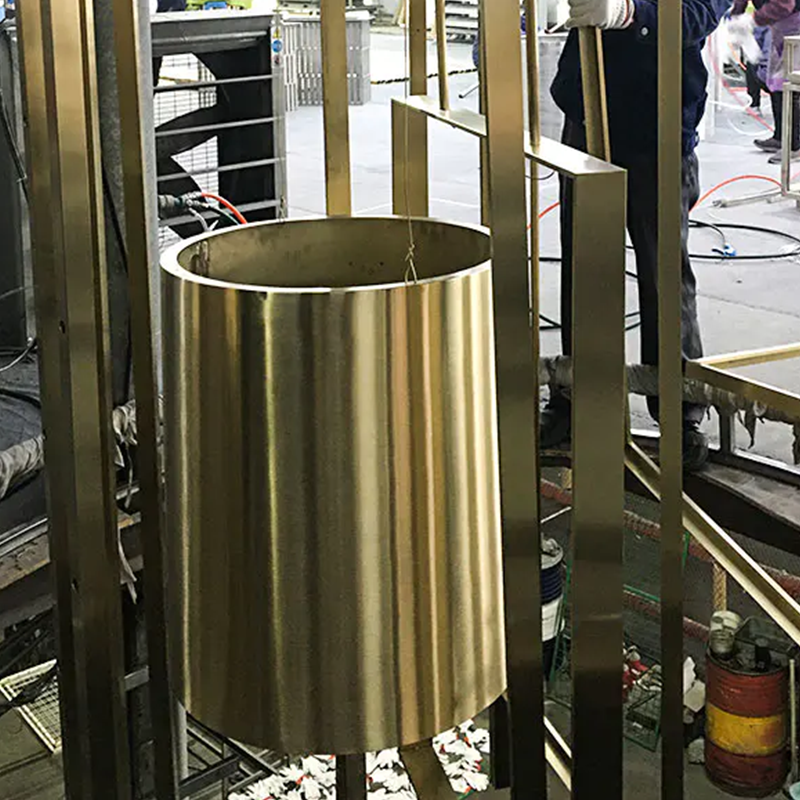
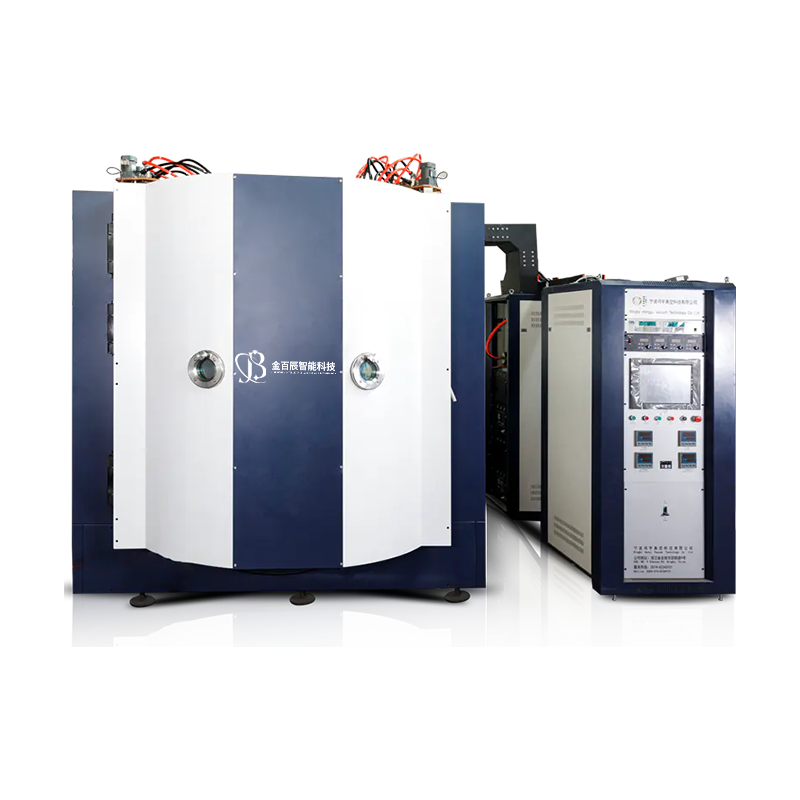
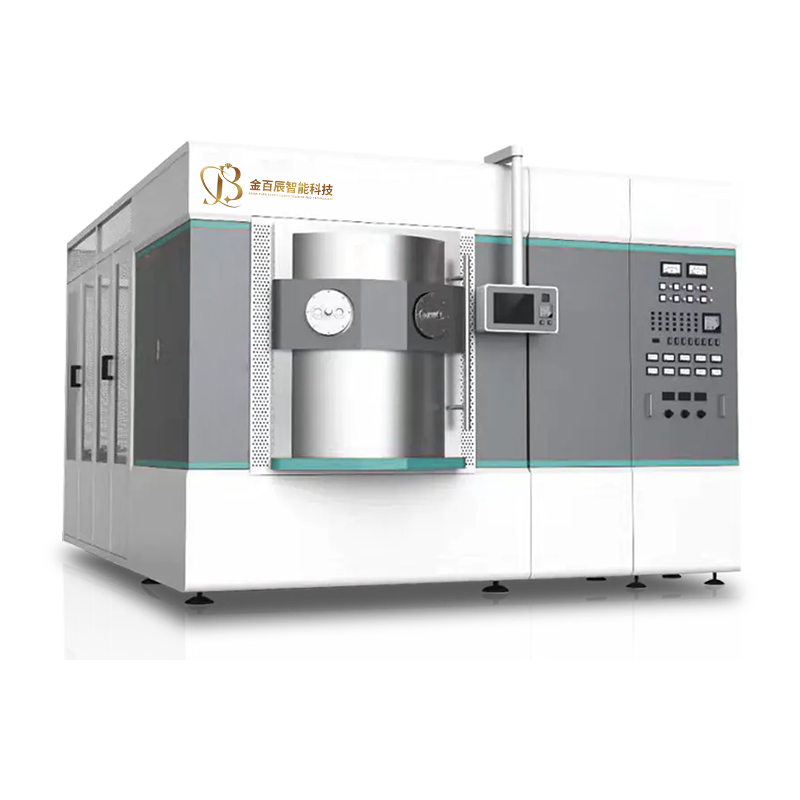
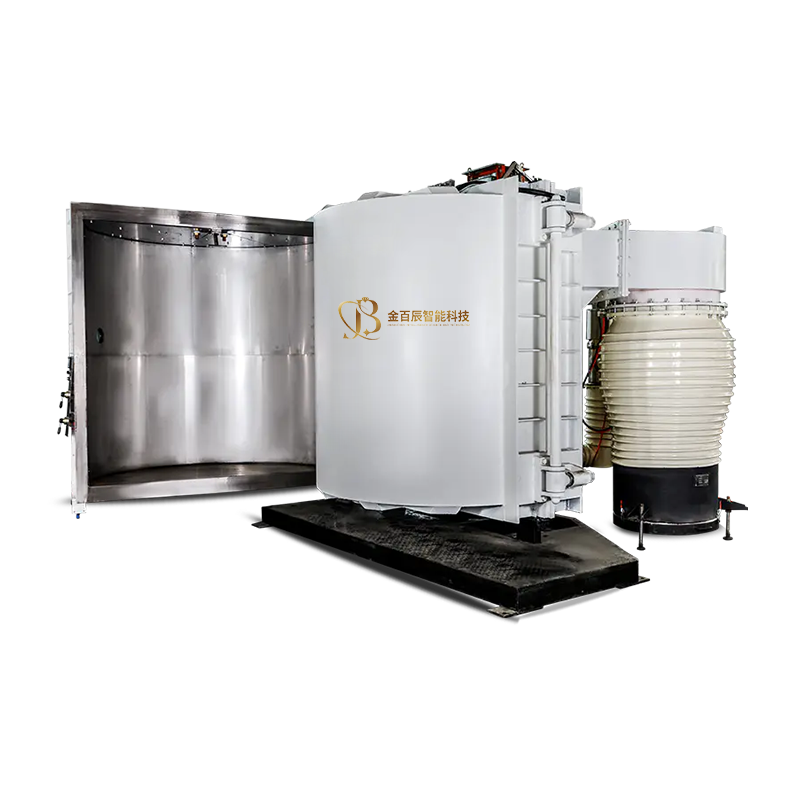
In many lighting workshops, coating equipment usually sits in a quiet corner of the production line. It does not look complicated from the outside, but it plays a steady role in how headlamp parts finally appear and behave. In some industrial setups, suppliers such as GOLD BLINGKING INTELLIGENT TECHNOLOGY (ZHE JIANG)CO., LTD. are often mentioned in connection with equipment development that supports this kind of surface processing work.
Choosing suitable equipment is rarely a quick decision. It is usually shaped by daily production habits, product design details, and how smoothly each step connects in real operation.

In headlamp production, surface treatment is not only about appearance. It also affects how components interact with light once assembled.
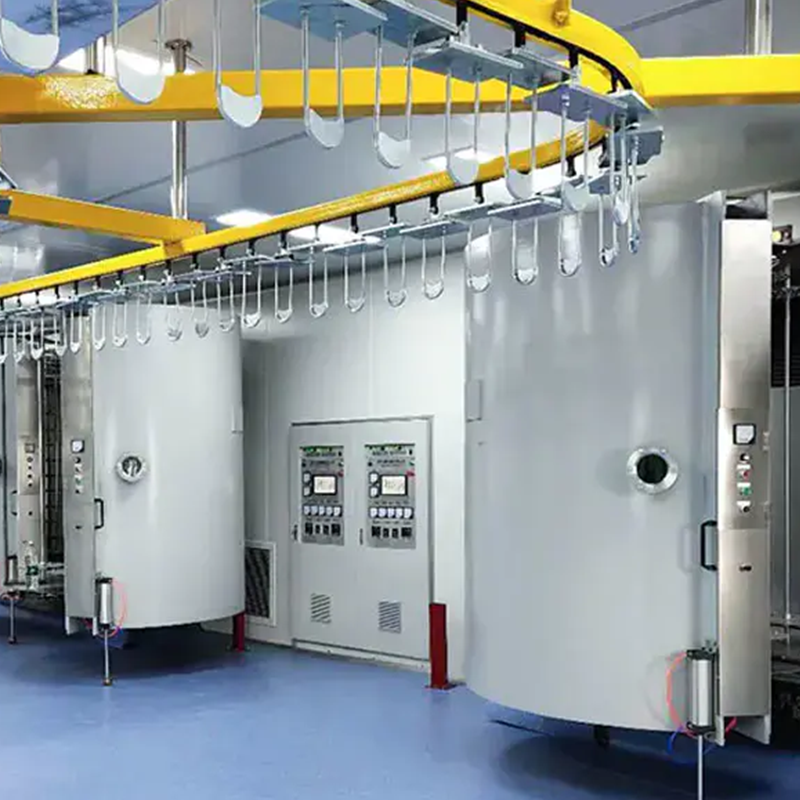
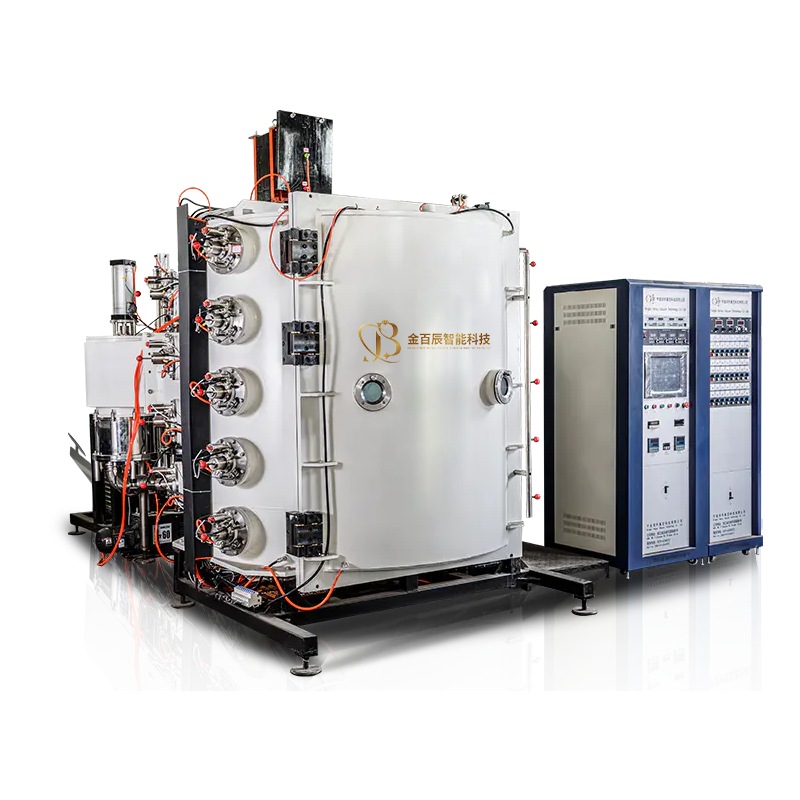
A PVD headlamp dedicated coating equipment setup is usually placed at a specific stage in the workflow. It handles surface processing before final assembly, where consistency matters more than anything else.
In practical use, this type of equipment is often linked with:
It usually does not work alone. Instead, it connects with other steps like cleaning, inspection, and assembly, forming a continuous flow rather than a single operation.
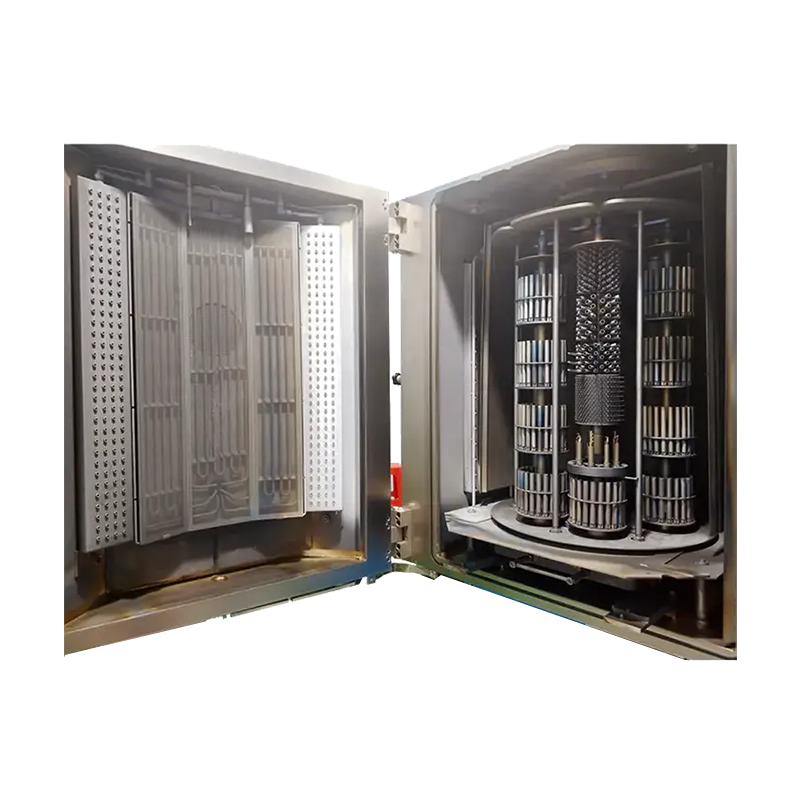
The PVD magnetron sputtering coating equipment process works through controlled material movement inside a sealed environment. Inside the chamber, materials are gradually released and then settle onto component surfaces.
There is no direct contact between source and product. Instead, particles travel through a controlled space and slowly build a coating layer.
The process generally involves:
Each stage depends on the balance between energy input and internal environment stability. If one part changes slightly, the coating behavior can shift as well.
Before coating begins, the material of the headlamp component already influences the result. Some surfaces respond smoothly, while others require extra preparation.
In real production, surface condition is usually checked before entering the coating stage. Even small differences in texture or cleanliness can affect how layers attach.
Key points often considered include:
When material and process are well matched, the coating step feels more stable and predictable during repeated runs.
Uniformity is one of the more sensitive parts of headlamp coating work. Since many components have curved shapes, coating does not naturally spread in a simple way.
To manage this, equipment design helps guide how material reaches different areas of the surface. Components may be positioned or moved so that exposure is more balanced.
Common control approaches include:
The goal is not to force a single layer everywhere, but to let coverage build gradually and evenly across different areas.
Although both systems share similar working ideas, their structure is not exactly the same.
A PVD headlamp dedicated coating equipment system is arranged with lighting components in mind. Its internal layout usually follows the shape and handling needs of headlamp parts.
In comparison, PVD magnetron sputtering coating equipment is more general in structure, allowing it to handle a wider range of materials and shapes.
| Aspect | Headlamp Dedicated System | Magnetron Sputtering Equipment |
|---|---|---|
| Layout Style | Designed for lighting parts | More flexible arrangement |
| Usage Focus | Headlamp surface processing | General coating applications |
| Component Positioning | Shape-oriented placement | Multi-type adaptability |
| Workflow Fit | Lighting production line | Broader production use |
These differences often guide how factories decide which direction fits their daily production flow.
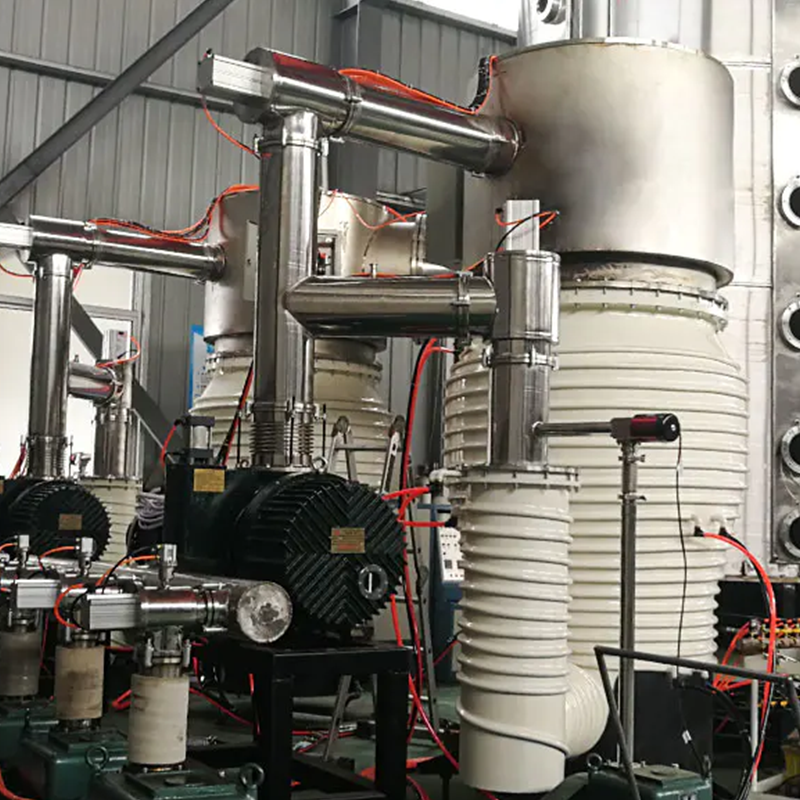
Inside coating equipment, the vacuum environment works quietly in the background. It is not visible during operation, but it affects how materials behave.
When the internal environment stays steady, particle movement becomes more predictable. If conditions shift, coating patterns may also change slightly.
Important elements include:
A stable environment helps the coating process feel more controlled across repeated production cycles.
In real factory conditions, coating equipment is only one part of a longer process. Its efficiency depends on how smoothly it connects with other stages.
Daily workflow is often influenced by:
Instead of focusing only on speed, many setups pay attention to whether the process stays consistent from one batch to the next.
Once coating equipment enters daily use, maintenance becomes part of the routine rather than an occasional task. In many factories, attention is usually given after small changes in performance are noticed, rather than at fixed moments.
Inside a PVD headlamp dedicated coating equipment system, internal parts are exposed to repeated cycles of material movement. Over time, small residues may accumulate in chamber areas or around fixtures. This does not usually stop operation immediately, but it can gradually influence stability.
Typical maintenance attention areas include:
Simple cleaning routines are often done between production cycles. In some cases, deeper cleaning is scheduled when coating behavior starts to feel less steady.
Maintenance is less about complex procedures and more about keeping conditions consistent so the equipment behaves in a predictable way over time.
In a PVD magnetron sputtering coating equipment system, energy input is closely connected to how coating behavior develops. The equipment does not rely on a single fixed setting in all cases. Instead, operation is adjusted depending on material type and production conditions.
During continuous use, energy distribution affects:
In practical workshop environments, operators often adjust settings slightly when switching between different headlamp components. These adjustments help keep coating behavior aligned with production needs.
Stability is usually observed over time rather than in a single cycle. When conditions remain balanced, the process feels more consistent from batch to batch.
In a production environment, equipment placement is not random. A PVD headlamp dedicated coating equipment system is usually positioned where it can connect smoothly with both upstream and downstream processes.
Before coating, parts often pass through cleaning and preparation stages. After coating, they move toward inspection or assembly. The coating system sits between these steps, acting as a controlled transition point.
Factory layout considerations often include:
In some setups, material flow is arranged in a straight sequence. In others, movement is more flexible depending on available space.
Choosing equipment is not only about technical capability. It is often shaped by how the factory operates on a daily basis.
For PVD headlamp dedicated coating equipment, decision-making usually starts with product structure. Headlamp parts often have curved surfaces and specific optical requirements, so coating behavior needs to match these shapes.
At the same time, the presence of PVD magnetron sputtering coating equipment in the selection process adds another layer of consideration, especially when flexibility is required for different materials.
Common decision points include:
Instead of focusing on a single feature, many factories look at how the system fits into daily production rhythm.
General coating systems and dedicated headlamp equipment may look similar from a distance, but their internal focus is different.
A PVD headlamp dedicated coating equipment system is shaped around lighting components. It is arranged to handle specific part geometry and surface behavior found in headlamp production.
General systems, including PVD magnetron sputtering coating equipment, are designed with broader application in mind. They can handle a wider range of materials and shapes, which makes them more flexible in mixed production environments.
A simple comparison view:
Neither approach is fixed in value. The choice depends on how the factory organizes its production tasks and how often product types change.
In real production settings, decisions are rarely made in isolation. Equipment becomes part of a larger working rhythm that includes preparation, processing, and finishing stages.
When a factory selects PVD headlamp dedicated coating equipment, it is usually thinking about stability in repeated lighting component production. When PVD magnetron sputtering coating equipment is involved, flexibility often becomes part of the consideration.
Over time, the equipment is evaluated not only by how it performs in one cycle, but by how it behaves across many repeated operations. This long-term view shapes how factories approach selection, adjustment, and daily use.
The overall process is less about one-time choice and more about finding a setup that stays steady within the existing production flow.
Realize environmental protection requirements with advanced technology and solve the shortcomings of water electroplating.
Vacuum Coating Equipment Manufacturer