Industry News
The technical team of Jinbaichen has over 30 years of experience in the research and development of vacuum coating equipment and technological accumulation.
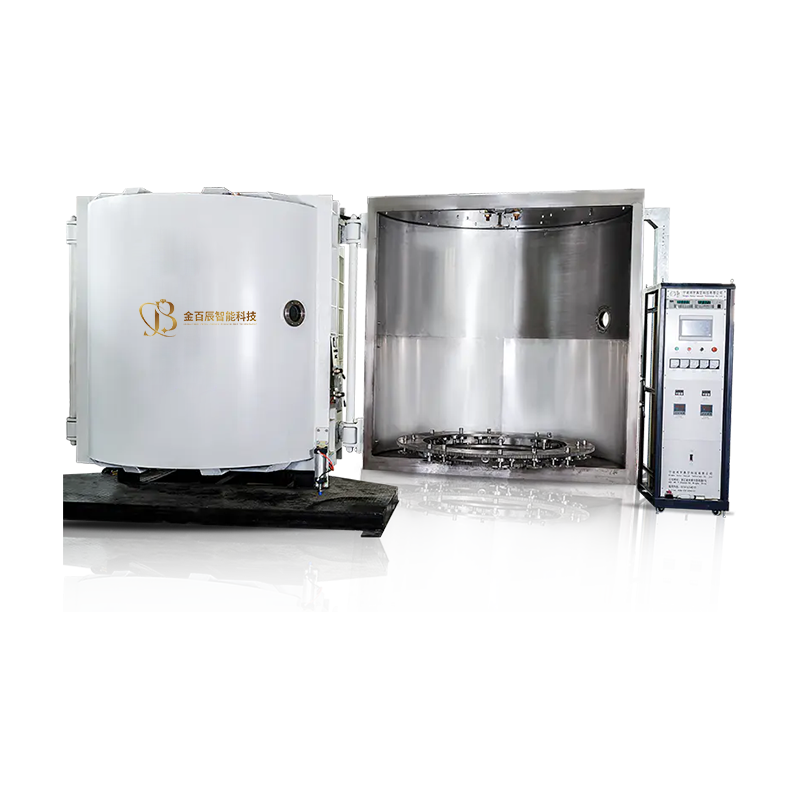

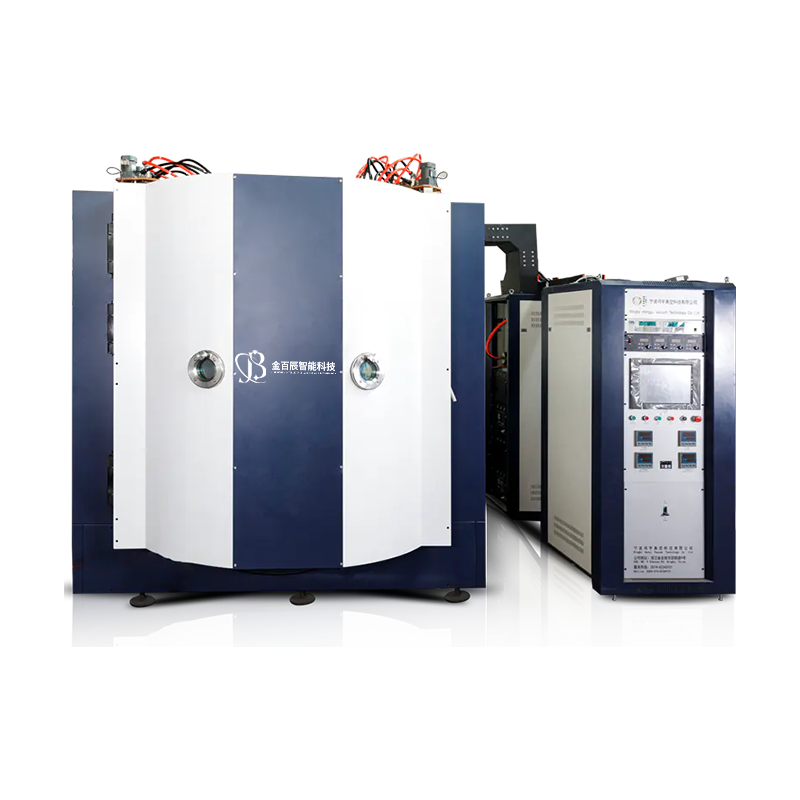
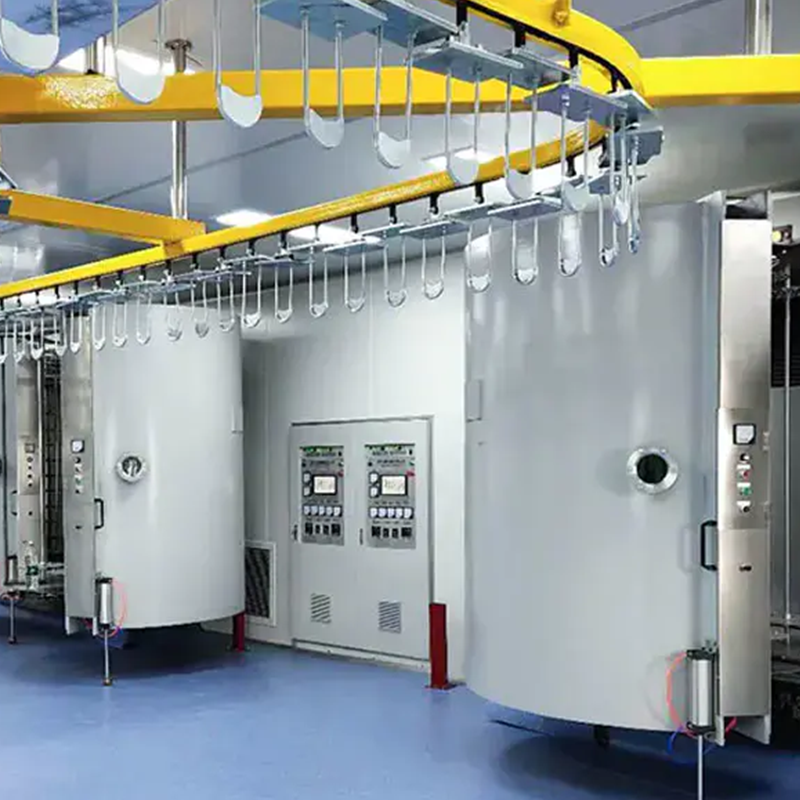
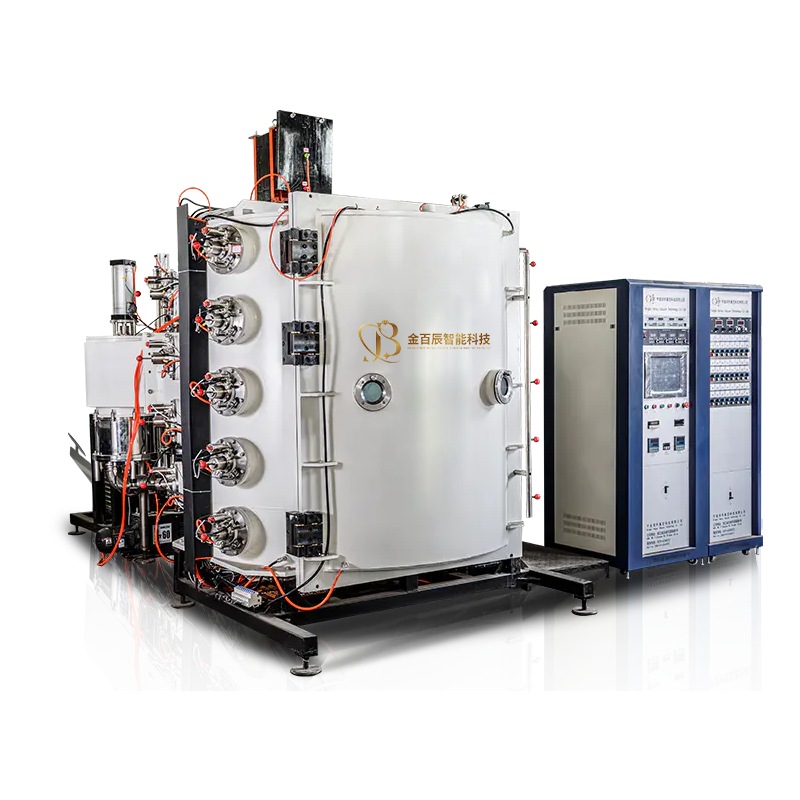
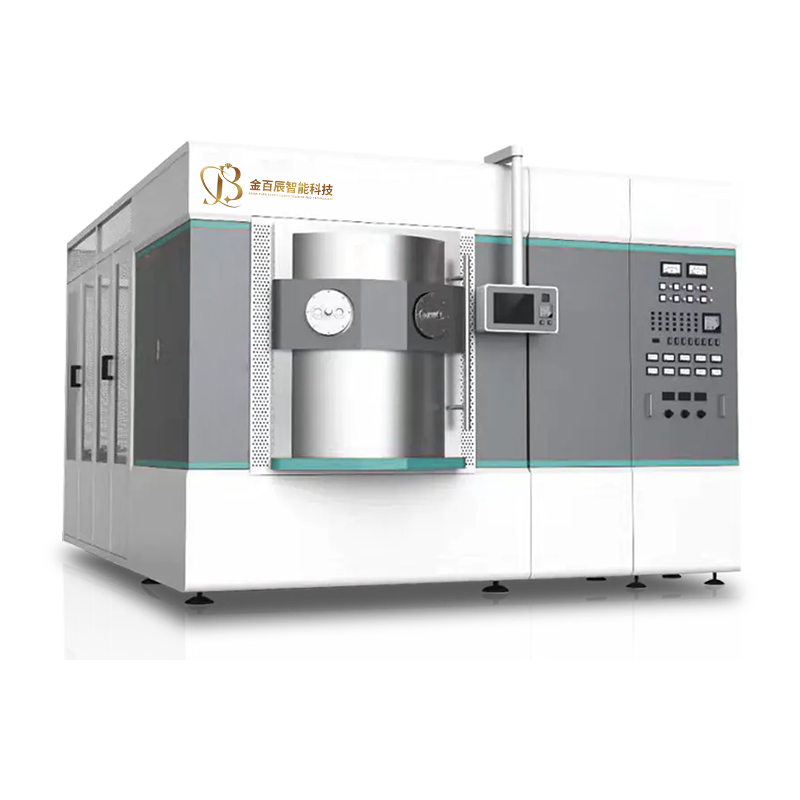
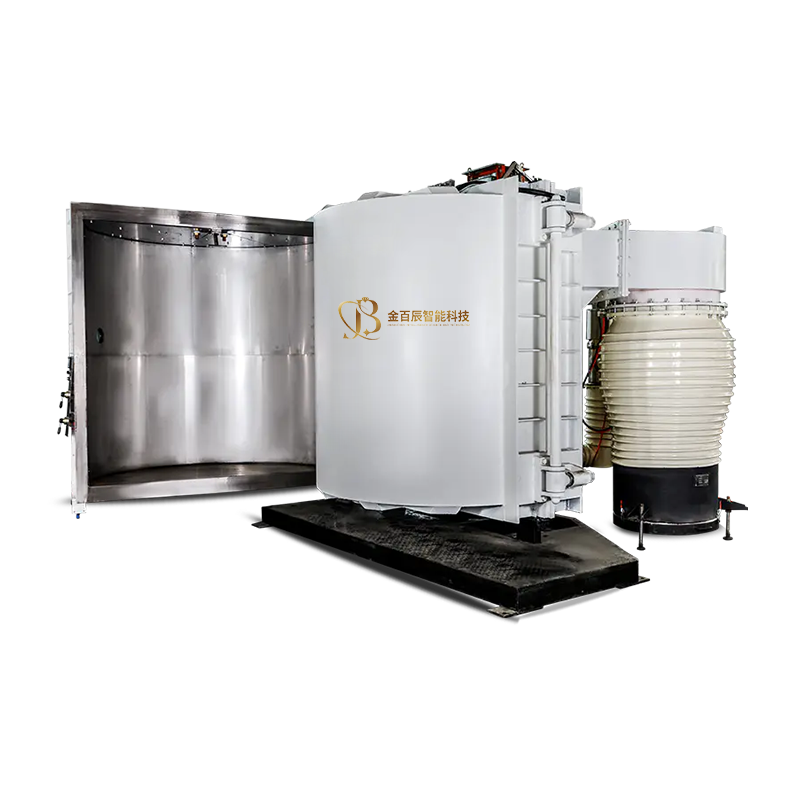
High-quality optics are the backbone of industries ranging from consumer electronics to aerospace and scientific research. Achieving precise, durable, and functional coatings on lenses, mirrors, and other optical components is essential for performance. PVD optical coating equipment plays a crucial role in meeting these demands, providing manufacturers with the ability to create uniform, reliable coatings that enhance both the functionality and longevity of optical products.
This equipment is more than just a manufacturing tool; it is an enabler of precision, consistency, and innovation in optical technology.
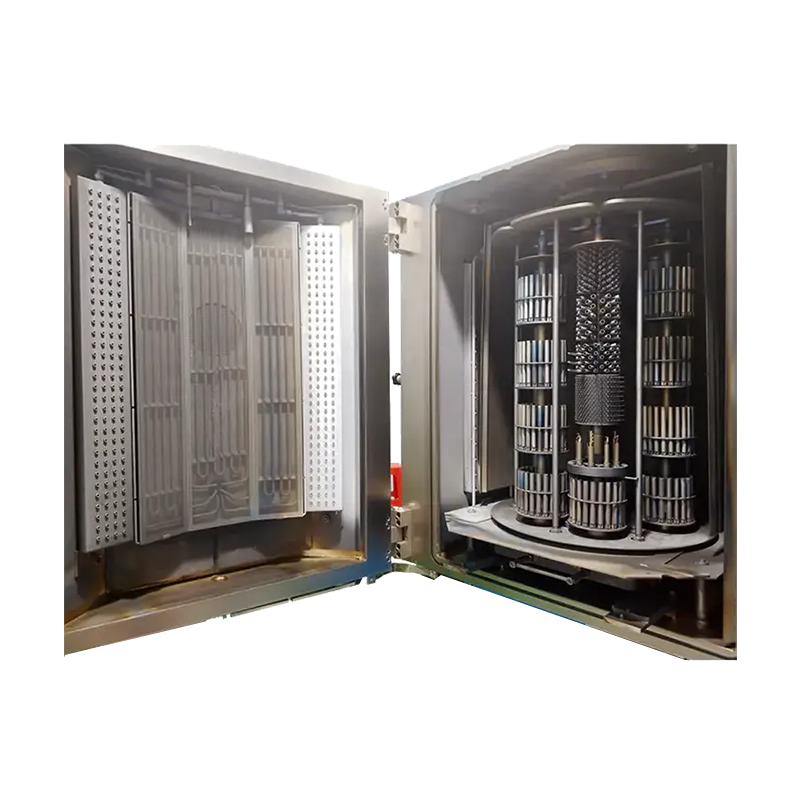
Physical Vapor Deposition (PVD) is a vacuum-based technique in which a material is vaporized and then deposited as a thin film onto a substrate. PVD optical coating equipment allows for precise control of deposition rate, temperature, and layer thickness, which is critical for applications where minute variations can affect optical performance.
The equipment can handle a range of materials, including metals, metal oxides, and nitrides, making it possible to create coatings that reduce reflection, improve scratch resistance, or enhance light transmission. Unlike traditional wet chemical coatings, PVD films are more uniform and adhere strongly to the substrate, providing consistent results over time.
The primary advantage of PVD optical coating equipment lies in its precision. By controlling deposition parameters, manufacturers can ensure that every layer is uniform, minimizing defects that can degrade optical performance. Key benefits include:
These advantages make PVD equipment essential for producing optics that meet demanding industry standards and deliver reliable performance.
PVD optical coating equipment finds use in a variety of sectors:
By enabling precise control over material properties, PVD equipment supports innovation in each of these fields.
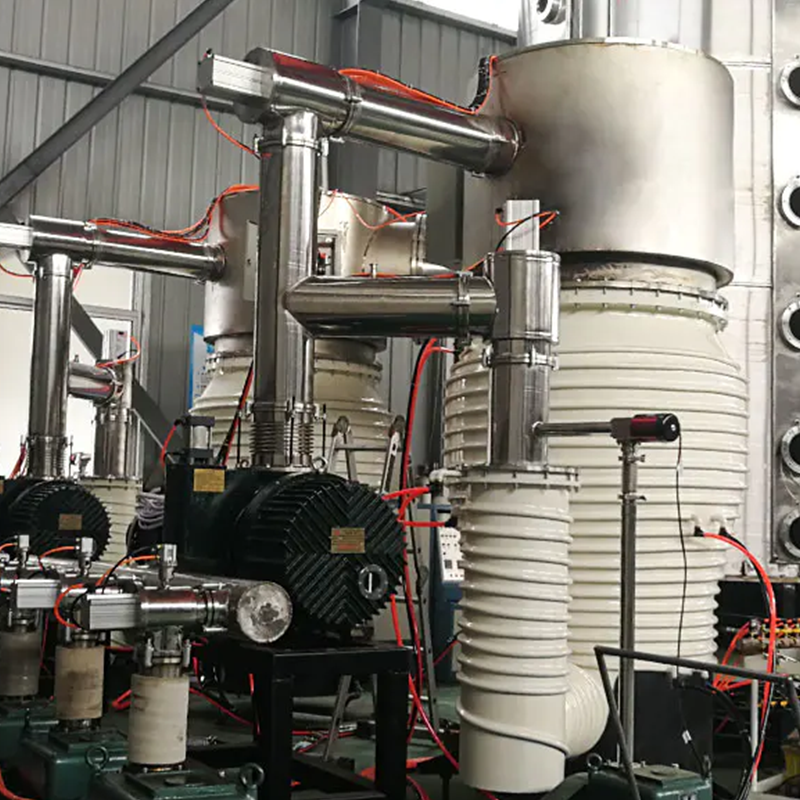
Operating PVD optical coating equipment requires attention to detail. Maintaining a stable vacuum, selecting the correct source material, and monitoring substrate positioning are crucial for results. Regular maintenance, including chamber cleaning and calibration, helps extend the equipment's lifespan and ensures consistent performance.
Additionally, advanced systems often include automation for substrate handling and monitoring, allowing for more efficient production and reducing the chance of human error. This is especially important in high-volume manufacturing where consistency is critical.
Using PVD optical coating equipment allows manufacturers to experiment with new materials and coating designs. Multi-layer coatings can combine different materials to achieve complex optical effects, such as high transmission with low reflectivity or protective layers over functional coatings. This flexibility not only improves product quality but also encourages innovation in optical design.
PVD optical coating equipment is essential for high-quality optics because it provides precision, consistency, and adaptability. By enabling controlled deposition of advanced materials, this equipment enhances durability, functionality, and overall optical performance. Whether for consumer electronics, scientific instruments, aerospace applications, or medical devices, PVD optical coating equipment allows manufacturers to meet strict performance standards while exploring new possibilities in optical technology.
Investing in this equipment ensures that optical products perform reliably, last longer, and maintain their quality across large-scale production.
Realize environmental protection requirements with advanced technology and solve the shortcomings of water electroplating.
Vacuum Coating Equipment Manufacturer