Industry News
The technical team of Jinbaichen has over 30 years of experience in the research and development of vacuum coating equipment and technological accumulation.
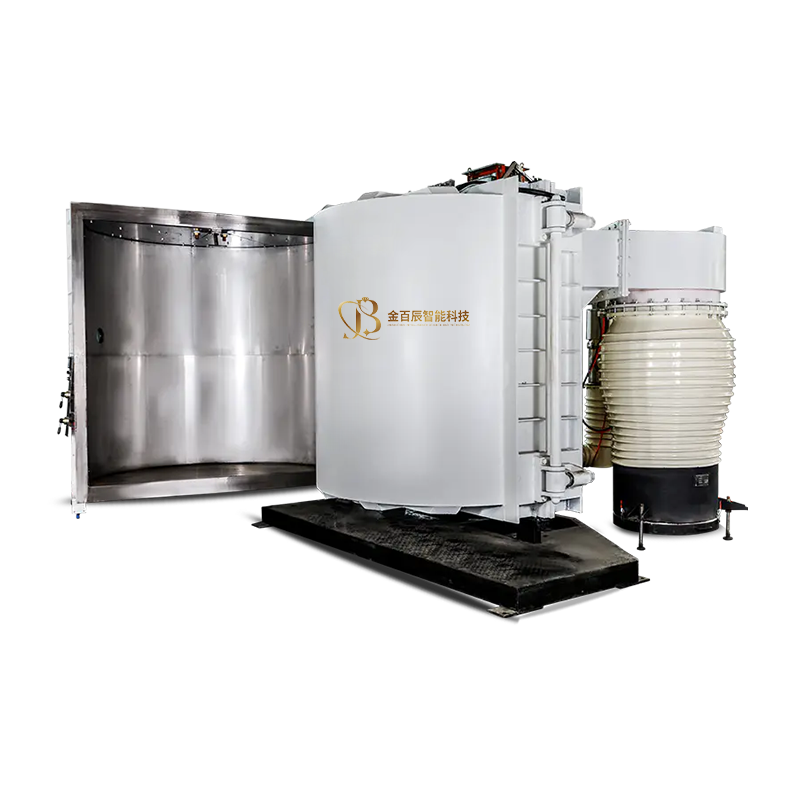

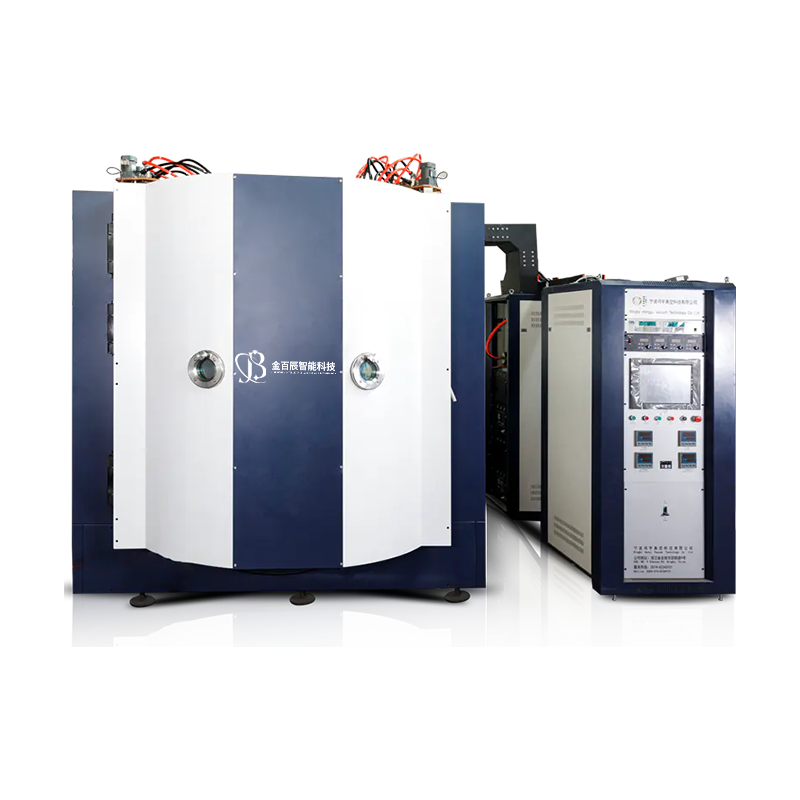
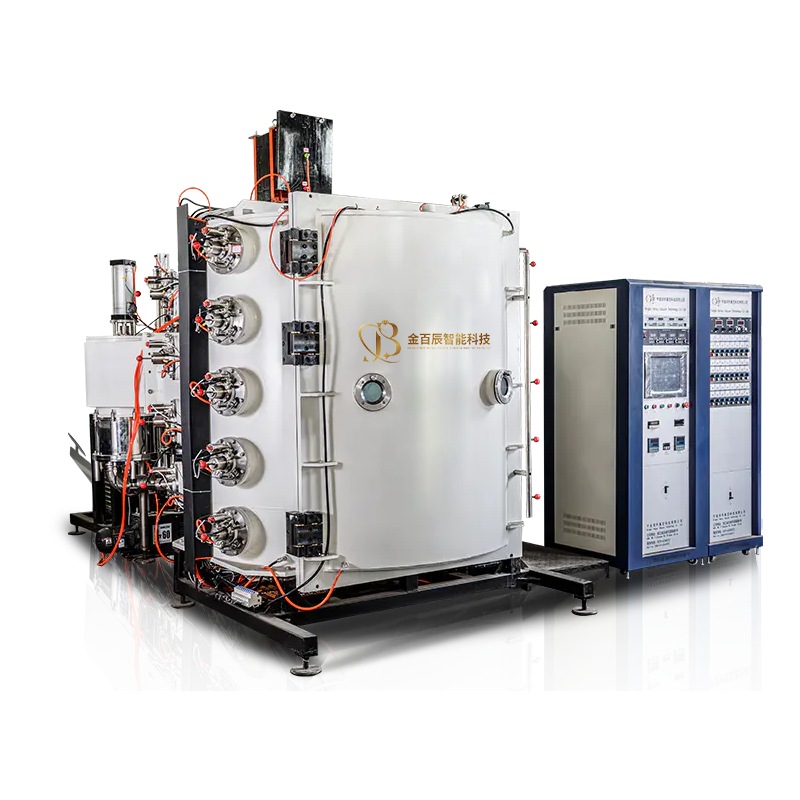
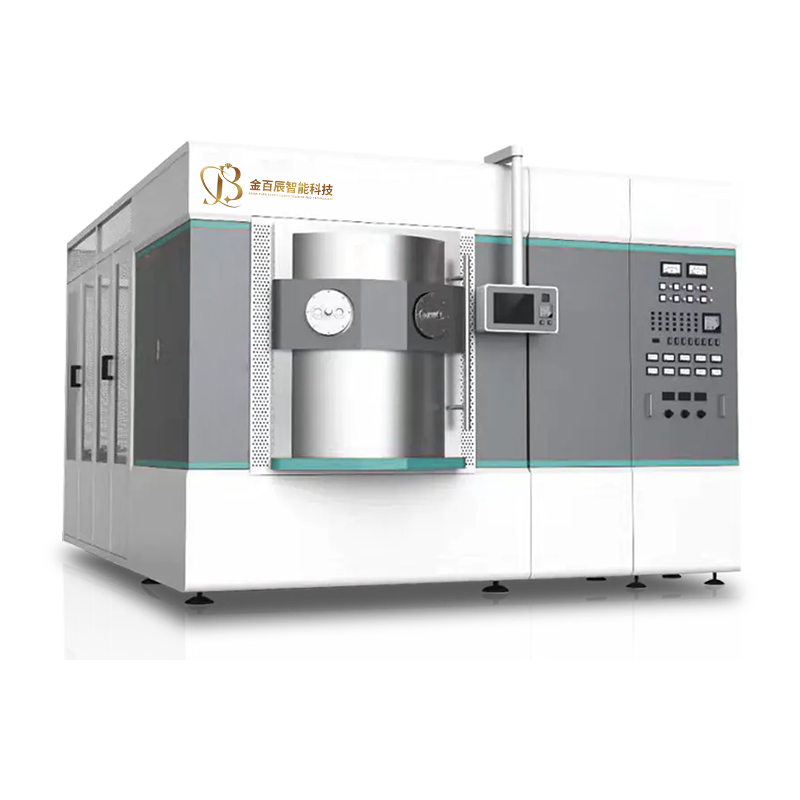
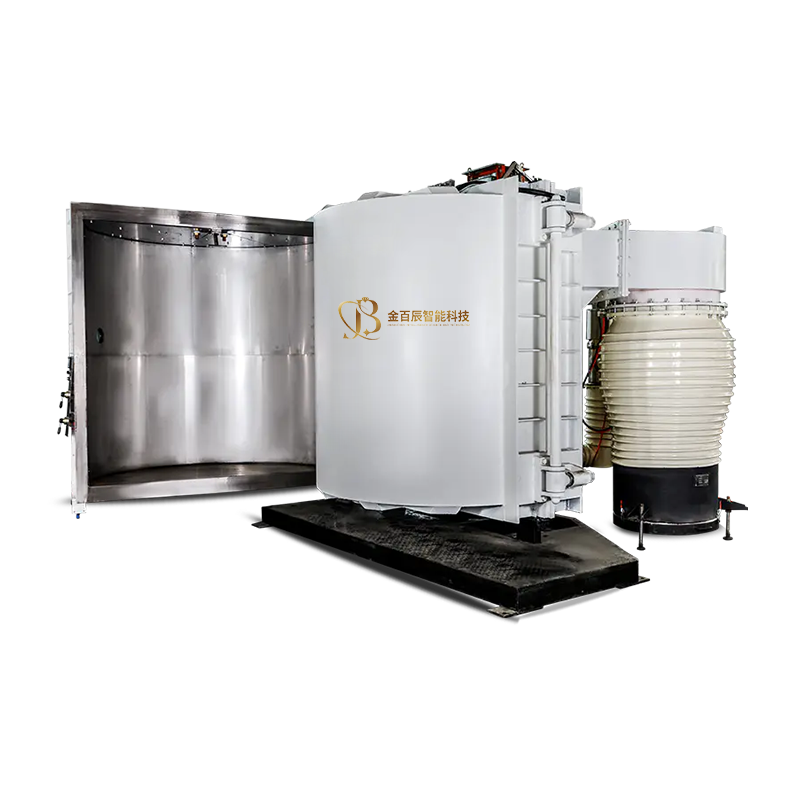
Surface treatment plays a crucial role in modern manufacturing, where durability, aesthetics, and functionality intersect. PVD evaporation coating equipment is widely used for applying thin, uniform metal or ceramic layers onto a variety of substrates. This technique improves hardness, corrosion resistance, and visual appeal, making it valuable in industries ranging from electronics to automotive components.
Understanding how PVD evaporation coating equipment operates and its practical uses highlights why it is an essential tool in industrial processes.
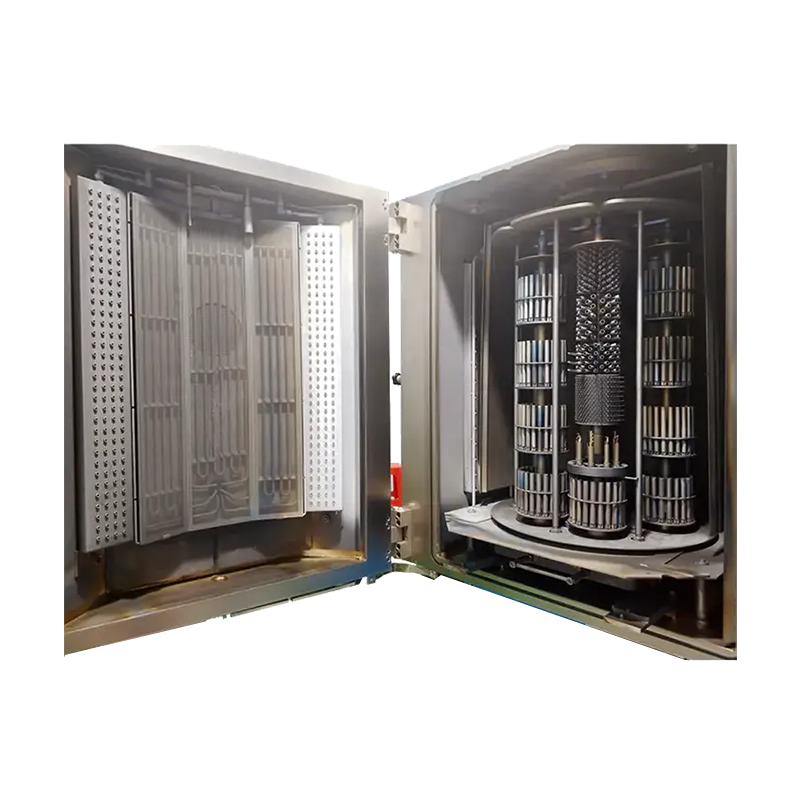
The principle behind PVD evaporation coating equipment is straightforward yet precise. The material to be deposited is heated in a vacuum chamber until it vaporizes. The vapor then condenses on the target surface, forming a thin and uniform coating.
This method allows for high adhesion and density of the coating, ensuring a durable finish. Unlike traditional painting or electroplating, PVD coatings minimize environmental pollutants and reduce waste, making the process more sustainable.
One advantage of PVD evaporation coating equipment is its compatibility with a wide range of materials. Metals such as titanium, chromium, and gold can be deposited on substrates like glass, plastic, and stainless steel. This versatility allows manufacturers to address both functional and aesthetic requirements.
For example, decorative finishes on watches, smartphones, and jewelry rely on PVD coatings for uniform color and long-lasting shine. At the same time, industrial components benefit from increased wear resistance and chemical stability.
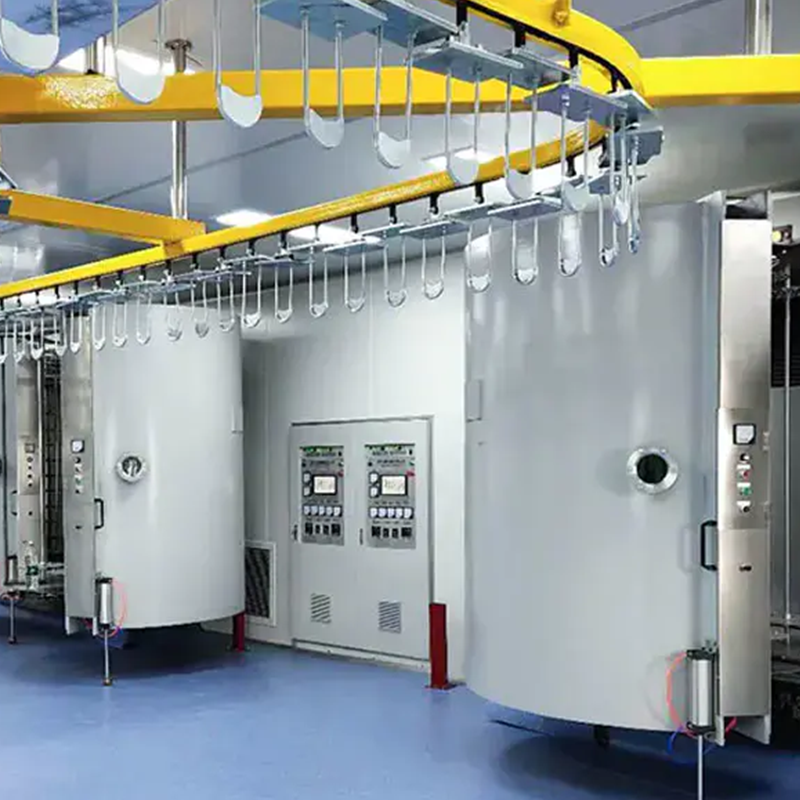
Modern PVD evaporation coating equipment incorporates precise control over temperature, vacuum pressure, and deposition rate. This ensures consistent coatings even on complex shapes or small parts. Automation features further improve throughput while reducing the risk of human error.
Precision in coating thickness is particularly important in electronics and optics, where even small variations can affect performance. By maintaining tight tolerances, PVD evaporation coating equipment meets both quality and reliability standards.
The use of PVD evaporation coating equipment spans multiple sectors. In the automotive industry, it enhances the durability of engine components and decorative trim. In electronics, it protects connectors and contacts from oxidation. In medical devices, the coatings improve resistance to wear and chemical exposure.
This broad application range demonstrates how a single type of equipment can support diverse manufacturing requirements, making it a valuable investment for companies seeking long-term performance improvements.
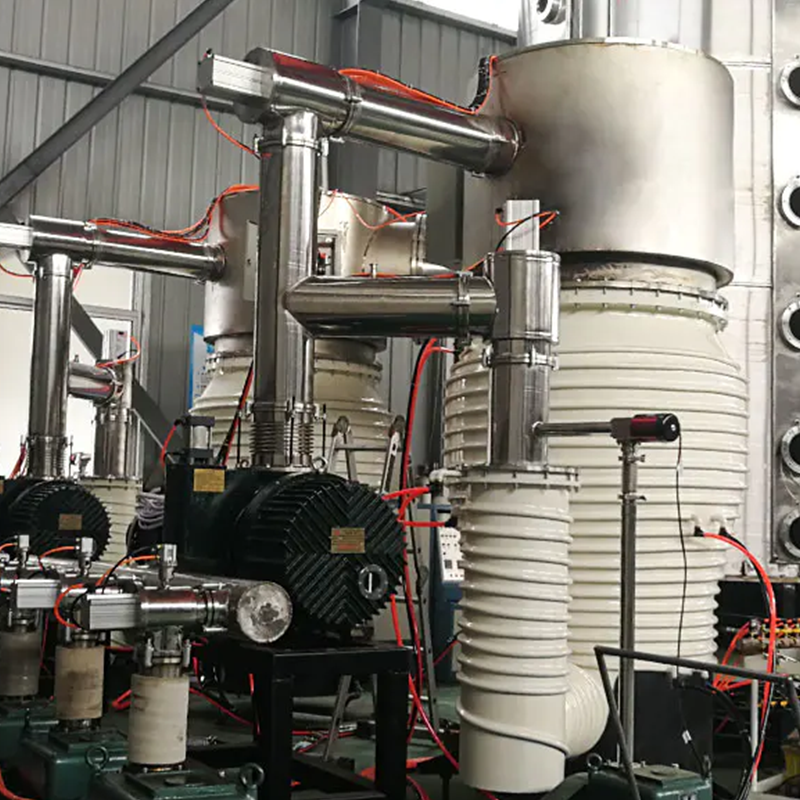
Maintaining PVD evaporation coating equipment involves regular cleaning of the vacuum chamber, monitoring of power sources, and replacement of consumable materials. Proper operation ensures consistent coating quality and reduces downtime.
Staff training is essential for handling vacuum systems and controlling deposition parameters. Even with automated systems, human oversight ensures safety and results.
PVD evaporation coating equipment combines precision, versatility, and efficiency to enhance the quality and performance of industrial products. Its ability to apply uniform coatings on a wide range of materials makes it a valuable tool in both functional and decorative applications.
By integrating PVD evaporation coating equipment, manufacturers can improve surface durability, achieve consistent aesthetic finishes, and streamline production processes, highlighting its importance in modern industrial operations.
Realize environmental protection requirements with advanced technology and solve the shortcomings of water electroplating.
Vacuum Coating Equipment Manufacturer