English
  中文简体
中文简体

Industry News
The technical team of Jinbaichen has over 30 years of experience in the research and development of vacuum coating equipment and technological accumulation.


The technical team of Jinbaichen has over 30 years of experience in the research and development of vacuum coating equipment and technological accumulation.
Tools used in manufacturing environments often experience repeated contact, friction, pressure, and temperature changes during daily operation. Cutting edges, forming surfaces, and precision parts need to maintain stable working conditions while interacting with different materials.
Surface condition has a direct relationship with how a tool behaves during use. A rough or easily worn surface may influence processing stability, while a properly treated surface can help tools adapt to repeated working conditions.
Many industrial processes focus not only on the internal structure of a tool but also on the condition of its outer surface. Surface treatment methods are used to adjust characteristics such as friction behavior, wear resistance, and protection against environmental influence.
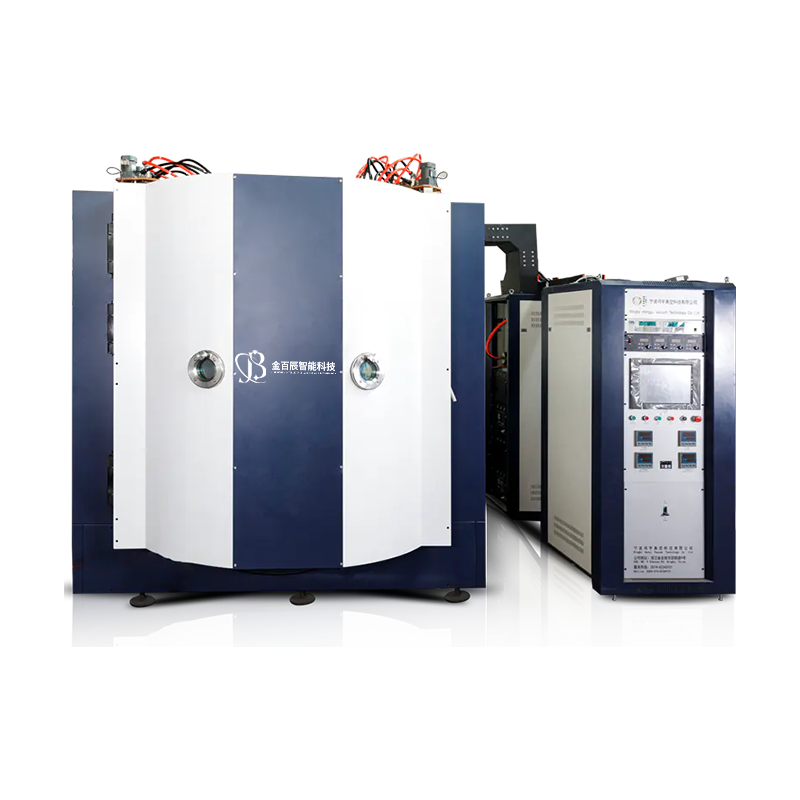
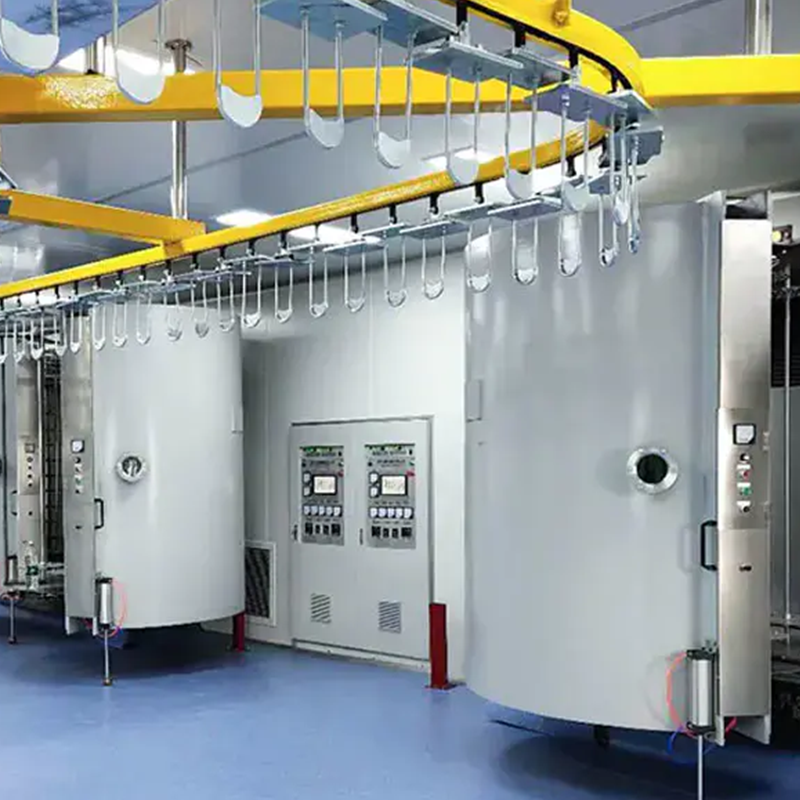
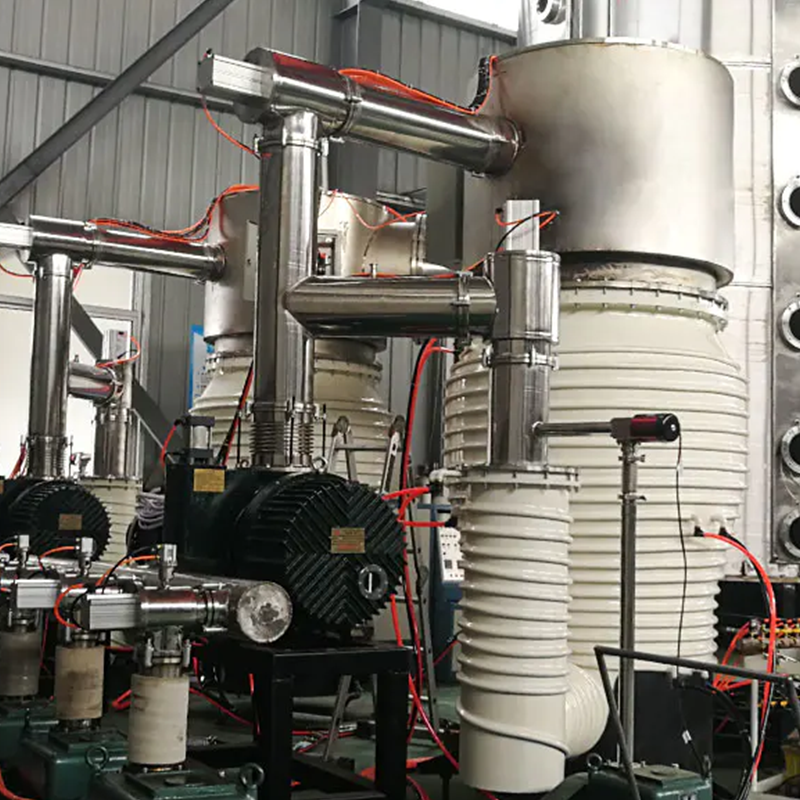
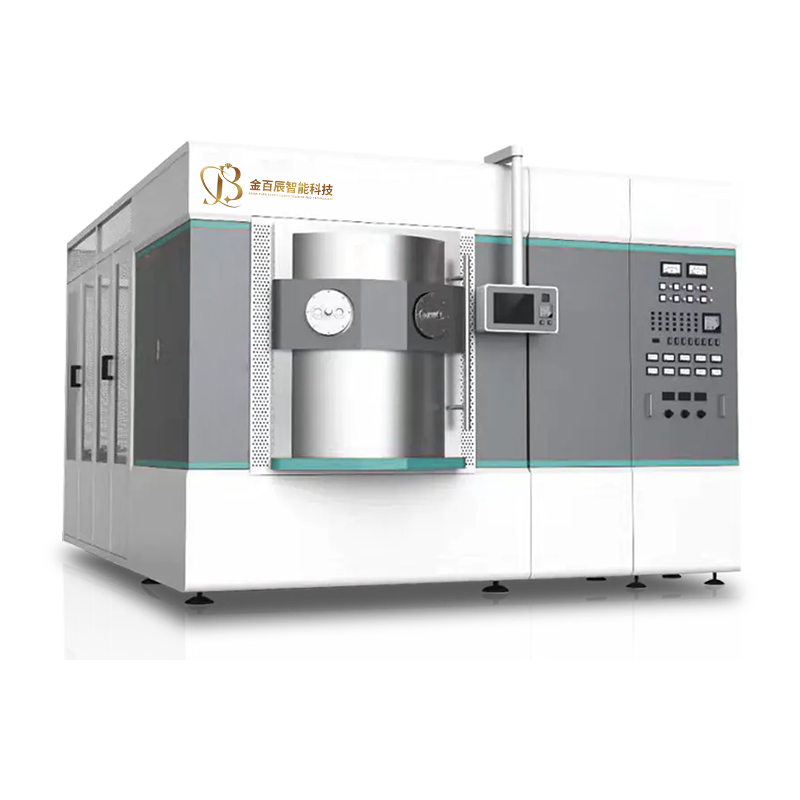
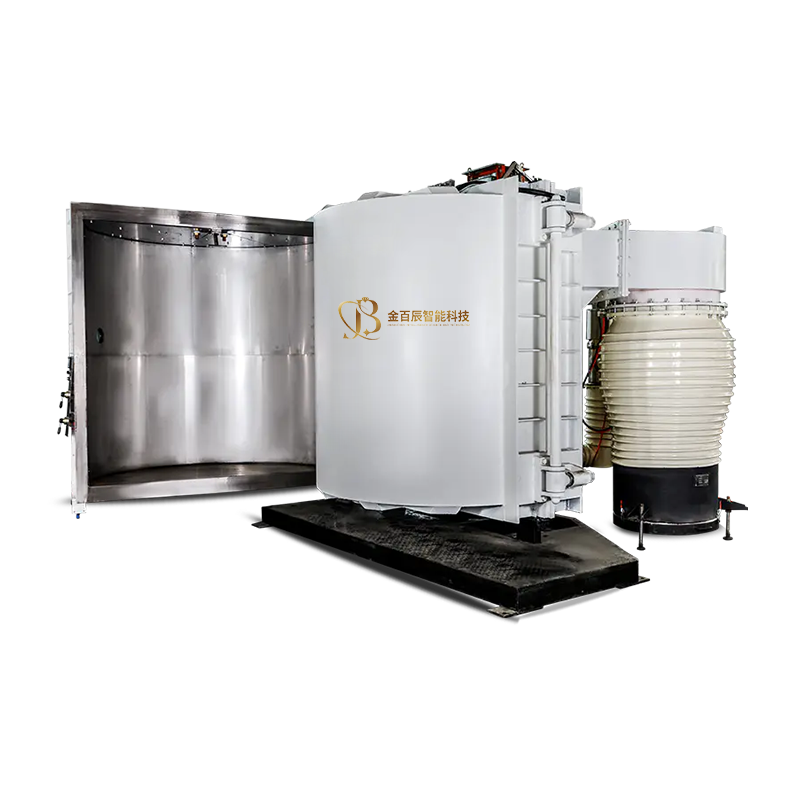
Multi Arc Ion Vacuum Coating Equipment is used in tool processing because it provides a controlled method for applying coating layers onto different surfaces. By working inside a vacuum environment, the equipment allows coating materials to attach to tool surfaces under carefully managed conditions.
Vacuum Coating Technology has become part of modern surface treatment processes because many tools require more than basic mechanical strength. The surface often needs to handle continuous contact with other materials while keeping its shape and working function.
Different tools face different working conditions. A cutting tool may experience repeated contact with hard materials, while a forming tool may face pressure during production. Surface treatment needs to match the actual working environment instead of following a single approach.
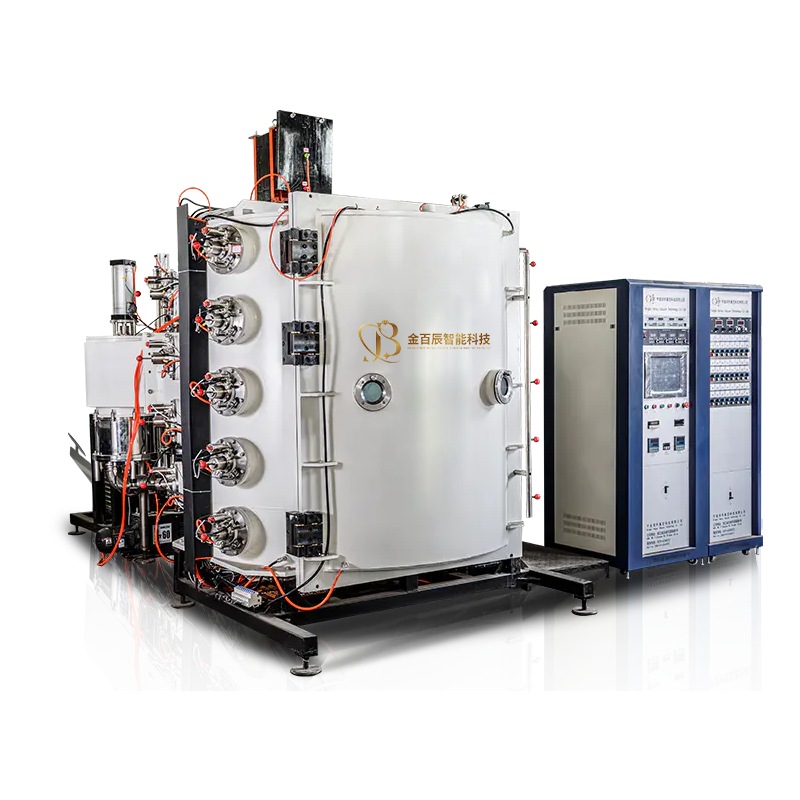
Multi Arc Ion Vacuum Coating Equipment is a type of surface treatment system designed to apply thin coating layers onto tool surfaces in a controlled vacuum environment.
Unlike traditional surface finishing methods that mainly change the appearance of a tool, vacuum coating focuses on modifying the outer surface characteristics. A coating layer forms on the tool while the basic structure of the tool remains unchanged.
| Equipment Section | Main Function |
|---|---|
| Vacuum Chamber | Creates a controlled processing environment |
| Arc Source System | Provides coating material during operation |
| Power Control System | Manages processing conditions |
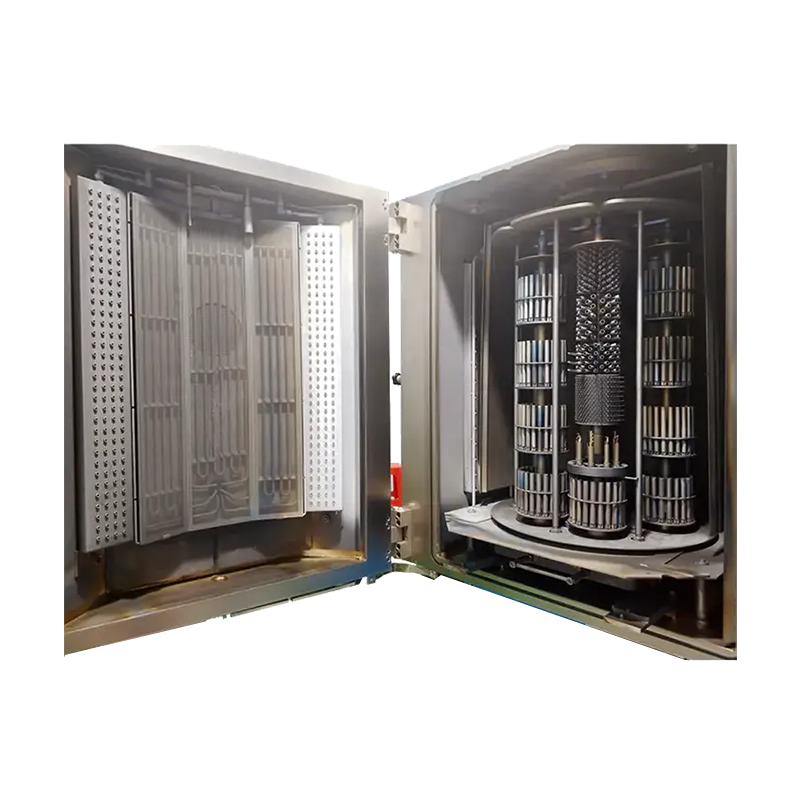
| Workpiece Holder | Keeps tools positioned during treatment |
| Gas Supply Section | Supports coating formation |
The vacuum chamber provides a cleaner environment for coating. Reducing unwanted particles and controlling surrounding conditions helps create a more stable processing space.
The arc source system is responsible for releasing coating material. During operation, material from the source is converted into particles that move toward the tool surface and form a coating layer.
The workpiece holder also plays an important role. Tools need suitable positioning because coating needs to reach the required surface areas evenly. Proper placement supports consistent treatment across different parts of a tool.
Although the equipment structure includes multiple sections, the basic purpose remains simple: create suitable conditions for applying a surface coating to tools.
The coating process usually begins with preparation. Tool surfaces need to be cleaned before entering the equipment because dust, oil, or other residue may affect coating attachment.
After preparation, tools are placed inside the vacuum chamber. Air is removed gradually to create a controlled environment suitable for coating operation.
Once the internal conditions reach the required state, the coating source begins releasing material. Particles from the coating material move through the chamber and attach to the tool surface.
The general process includes several steps:
During processing, the coating does not simply sit on the surface like paint. The particles interact with the tool surface and create a thin layer connected with the outer area of the material.
Different coating materials can produce different surface characteristics. Selection depends on the intended application of the tool, working conditions, and expected performance requirements.
Tool positioning, process settings, and surface preparation all influence the final coating condition. A small difference in preparation or handling may affect how the coating forms.
For this reason, coating treatment involves cooperation between equipment operation and proper preparation. The equipment provides the processing environment, while careful handling supports stable results.
Tools often operate under demanding conditions. Repeated contact with other materials creates friction, while heat and pressure may gradually affect surface performance.
A tool with a suitable surface treatment can better adapt to regular working conditions because the outer layer is designed according to the application environment.
Vacuum Coating Technology is applied in tool processing because surface characteristics play an important role in daily operation. The coating layer may help adjust several surface properties:
Cutting tools provide a common example. During machining, the cutting edge repeatedly contacts another material. The condition of the surface can influence processing stability and tool maintenance needs.
Molds and forming tools also experience repeated pressure. A suitable surface coating can support the tool during continuous production activities.
Surface treatment does not replace the original material structure of a tool. Instead, it changes the outer surface to better match the working environment.
Different industries have different requirements, so coating selection depends on practical use. A tool used for high-contact applications may need different surface characteristics from one used in a lighter working condition.
Coating results are affected by many small details during preparation and operation. A coating process does not depend only on the equipment itself. Tool condition, processing environment, and handling methods before and after treatment all have an influence on the final surface condition.
Surface cleaning is usually an important step before coating. Tools may carry oil, dust, or other residue from previous processing. Any unwanted material left on the surface can affect how well the coating layer connects with the tool.
Equipment conditions also require attention. A stable working environment inside the chamber helps coating material move toward the tool surface in a more controlled way. Tool placement inside the chamber also matters because different areas may receive different amounts of coating material.
Material choice needs to match the purpose of the tool. A tool used for cutting operations may face different contact conditions from a mold used for shaping materials. Surface requirements change according to the way a tool works.
| Processing Factor | Influence On Coating Result |
|---|---|
| Surface Cleaning | Supports better coating attachment |
| Vacuum Condition | Helps maintain a controlled coating environment |
| Material Selection | Affects surface characteristics |
| Tool Placement | Influences coating coverage |
| Process Management | Supports stable operation |
Handling after coating should also receive attention. A treated tool still needs proper storage and careful movement before entering production. Unnecessary impact or surface contact may affect the treated area.
Coating quality comes from the connection between different steps. Preparation, equipment operation, and later handling work together rather than acting separately.
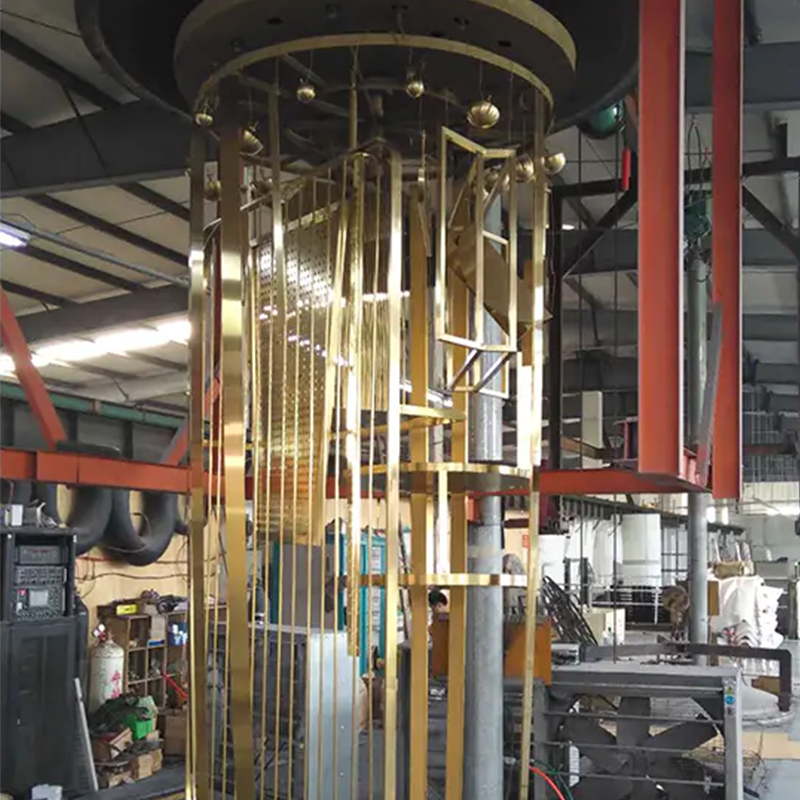
Different tools face different working conditions, so surface treatment needs to consider how each tool is used.
Cutting tools often experience repeated contact with other materials. During operation, the edge area receives continuous friction and pressure. A suitable coating layer can help adjust the surface condition for regular use.
Molds are another common application area. Mold surfaces may repeatedly contact production materials, making surface condition an important factor during daily operation. A treated surface can support easier maintenance and longer use under suitable conditions.
Forming tools also require attention because pressure and repeated movement may gradually affect surface areas. Surface treatment provides another way to prepare tools for their working environment.
Applications may include:
Different tools require different considerations. A coating method needs to match the tool material, working pressure, contact condition, and maintenance requirements.
Surface treatment is not a replacement for tool design or material selection. Instead, it works together with those factors to improve the suitability of a tool for its intended purpose.
A tool surface directly contacts other materials during operation. Because of repeated interaction, surface condition can influence working stability and maintenance frequency.
Vacuum Coating Technology changes the outer layer of a tool without changing the overall shape of the tool. A thin coating layer can affect how the surface reacts during use.
Friction behavior is one area related to surface treatment. When surfaces move against each other repeatedly, friction can influence wear conditions. A suitable coating may help control contact between surfaces.
Surface hardness is another factor considered during coating selection. Tools used under repeated pressure need surface characteristics that match their working environment.
Protection from surrounding conditions is also important. Moisture, heat, and material residue may influence tool surfaces over time. A suitable coating layer can provide additional protection according to practical requirements.
Coating selection requires balance. Different tools have different purposes, so the same surface treatment approach may not suit every application.
The effect of coating depends on several connected elements:
Surface treatment is one part of the complete tool management process. Good results depend on matching the coating method with actual production needs.
Selecting coating equipment involves more than checking machine structure. Production conditions and future operating needs also need consideration.
Tool size is one point to review. Different tools require different chamber spaces and placement methods. Equipment should match the type of products being processed.
Production arrangements also influence equipment choice. The number of tools, processing frequency, and available working space can affect which equipment structure is suitable.
Several points are often considered before installation:
Maintenance access should not be ignored. Equipment used for surface treatment contains different working sections that need inspection and care. Convenient access can make routine checks easier.
The surrounding environment also influences daily operation. Suitable placement helps operators perform inspections and complete regular maintenance tasks.
Communication with a Vacuum Coating Technology supplier can help clarify application requirements. Information about tool types, surface needs, and working conditions allows equipment selection to stay closer to actual production situations.
Regular maintenance helps coating equipment continue operating under stable conditions. Since coating quality depends on controlled processing, equipment condition has a direct connection with daily operation.
Cleaning inside the chamber is one routine task. Residue from repeated processing may affect later operations, so keeping internal areas clean helps maintain suitable working conditions.
Moving parts, electrical connections, and operating sections also require inspection. Small changes found during routine checks can be handled before they develop into larger problems.
Common maintenance practices include:
Maintenance records provide useful references for future checks. Notes about unusual sounds, operation changes, or repeated adjustments can help identify possible issues.
Operator habits also influence equipment condition. Following normal operating procedures and handling components carefully can reduce unnecessary wear.
Equipment maintenance is part of regular production management. A consistent inspection routine helps keep the coating process connected with daily manufacturing needs.
Tool manufacturing continues to focus on how products perform during actual use. A tool is affected not only by its internal material but also by the condition of its outer surface.
Surface treatment provides another method for adjusting tool characteristics according to different working environments. Friction, contact pressure, heat, and material interaction all influence the requirements placed on tool surfaces.
Multi Arc Ion Vacuum Coating Equipment offers a controlled way to apply coating layers, while Vacuum Coating Technology supports surface treatment for different industrial applications.
The relationship between equipment settings, coating materials, and tool usage remains important. A suitable coating process depends on understanding where the tool will be used and what conditions it will face.
Tool performance involves many connected elements, including design, material, surface condition, and maintenance practices. Coating technology works as one part of this wider process.
As manufacturing environments continue to change, surface treatment remains connected with tool preparation and production management. Practical requirements continue to influence how coating equipment is applied in different working situations.
 Vacuum Coating Equipment Manufacturer