English
  中文简体
中文简体

Industry News
The technical team of Jinbaichen has over 30 years of experience in the research and development of vacuum coating equipment and technological accumulation.


The technical team of Jinbaichen has over 30 years of experience in the research and development of vacuum coating equipment and technological accumulation.
Vacuum evaporation coating is one of established and reliable thin-film deposition methods used in modern industries. It involves heating a material in a vacuum chamber until it vaporizes and then condenses onto a substrate, forming a uniform and adherent coating. This technology is widely used in optics, electronics, decorative applications, and protective surface treatments.
By reducing contamination and oxidation through vacuum conditions, vacuum evaporation coating ensures high-purity films with outstanding adhesion and uniformity—ideal for applications requiring precision and consistency.
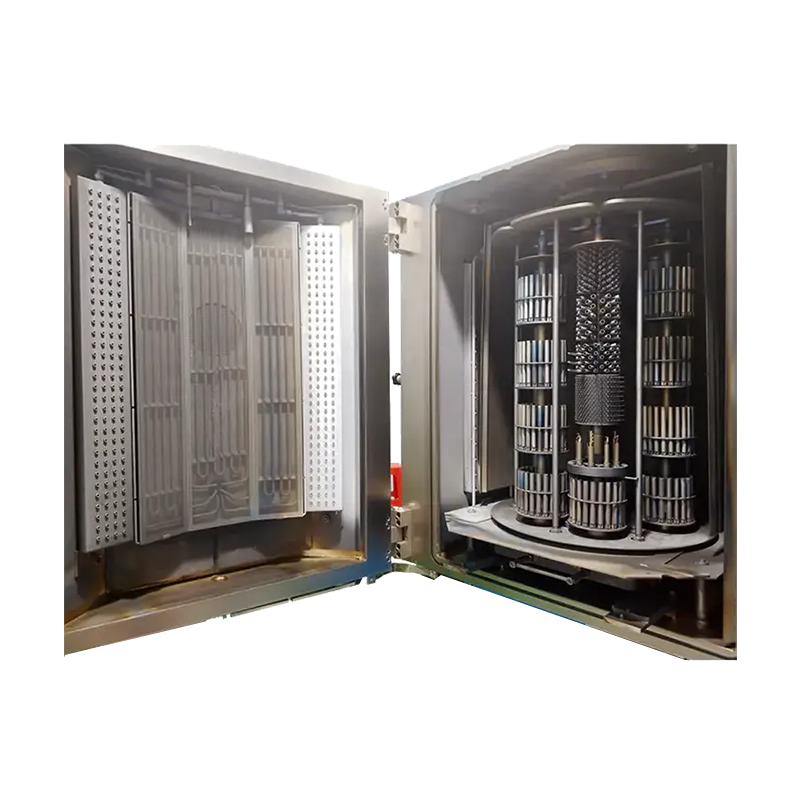
In vacuum evaporation coating, the process begins with placing a coating material—such as metal, oxide, or compound—in an evaporation source inside a sealed vacuum chamber. Once the pressure is reduced to a low level, the source is heated using resistive heating, electron-beam bombardment, or laser energy. The material evaporates and travels through the vacuum, condensing on the substrate surface to form a thin layer.
The absence of air molecules ensures minimal scattering of vaporized atoms, cause outstanding film uniformity. This makes vacuum evaporation machines ideal for optical lenses, mirrors, semiconductors, and decorative items that demand high-quality finishes.
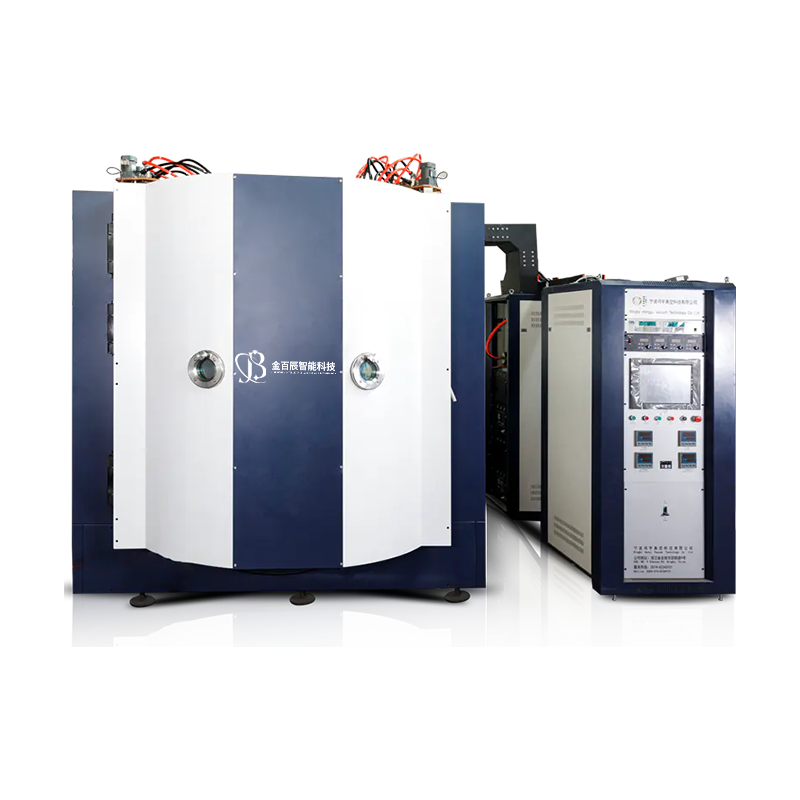
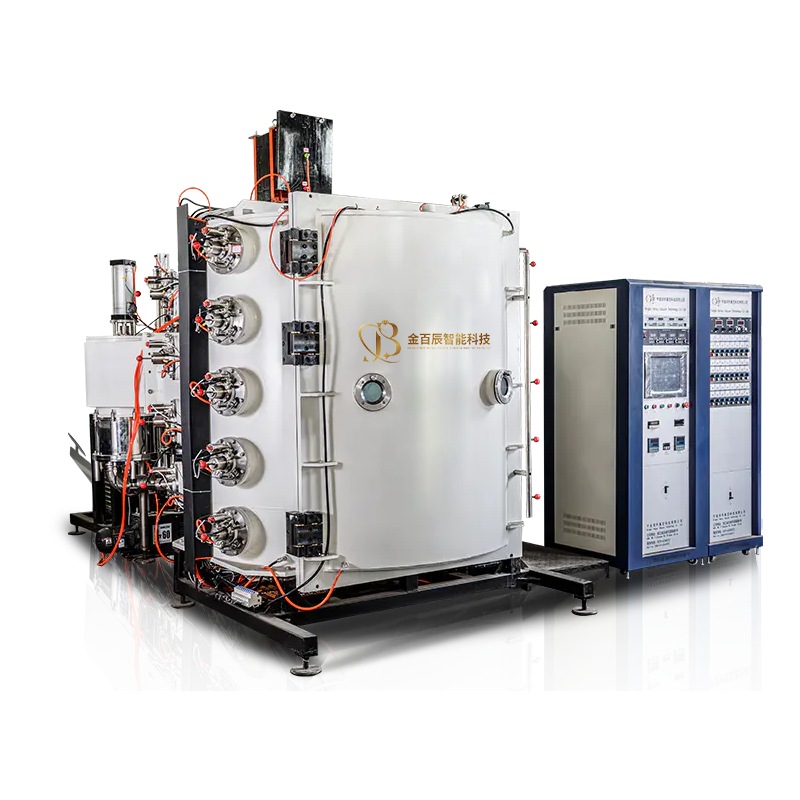
The performance and reliability of coatings depend largely on the stability and precision of the equipment used. Vacuum evaporation equipment provides a controlled environment where temperature, pressure, and deposition rate can be finely tuned.
Modern systems often include advanced monitoring tools, such as quartz crystal sensors for real-time thickness control and automated power regulation for evaporation sources. The result is a film with accurate composition, consistent thickness, and outstanding surface adhesion—qualities essential for high-performance components used, electronics, and medical instruments.
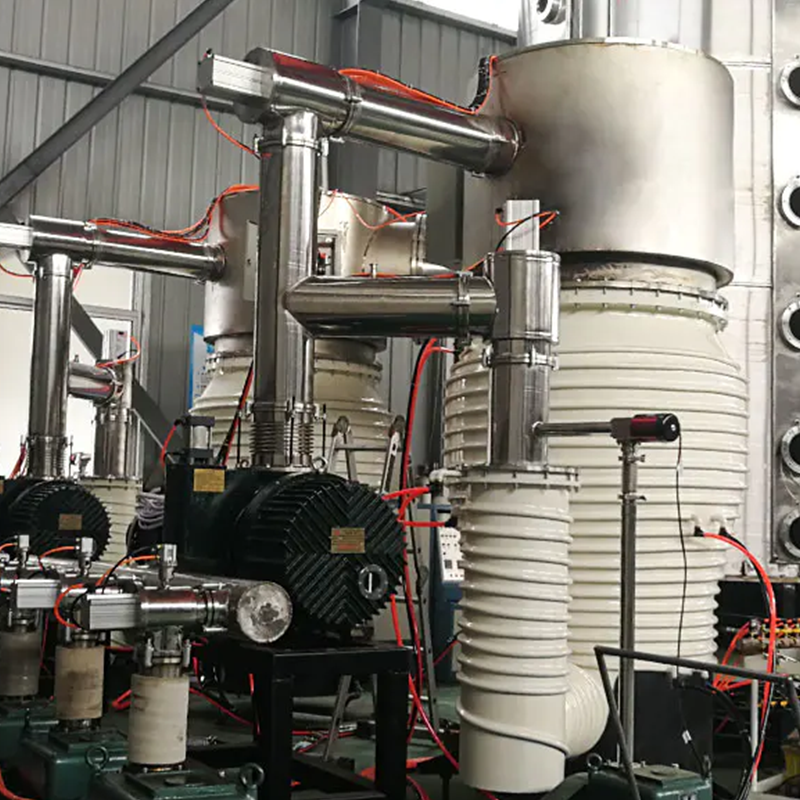
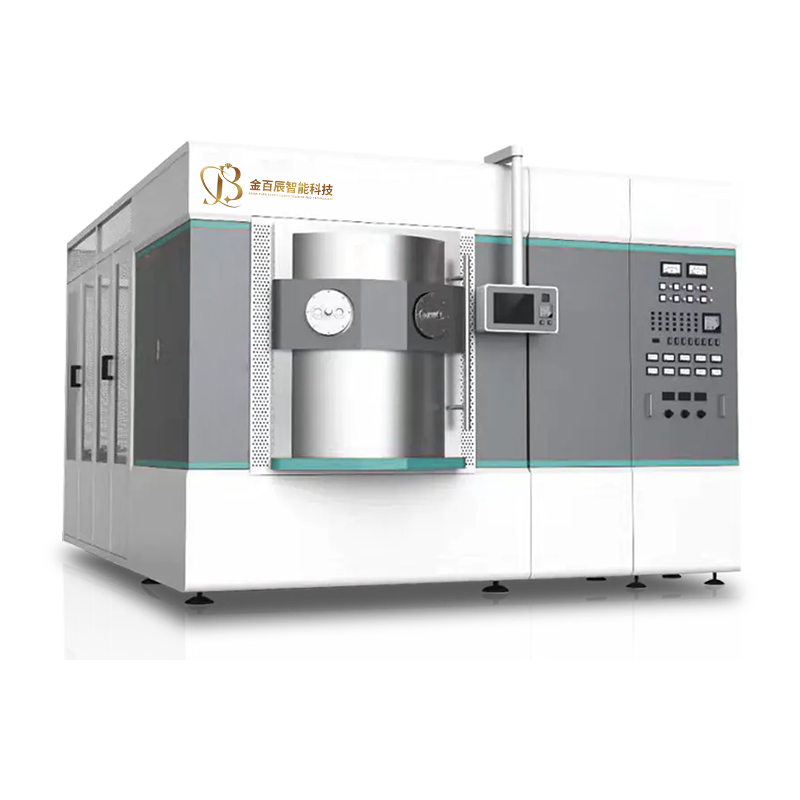
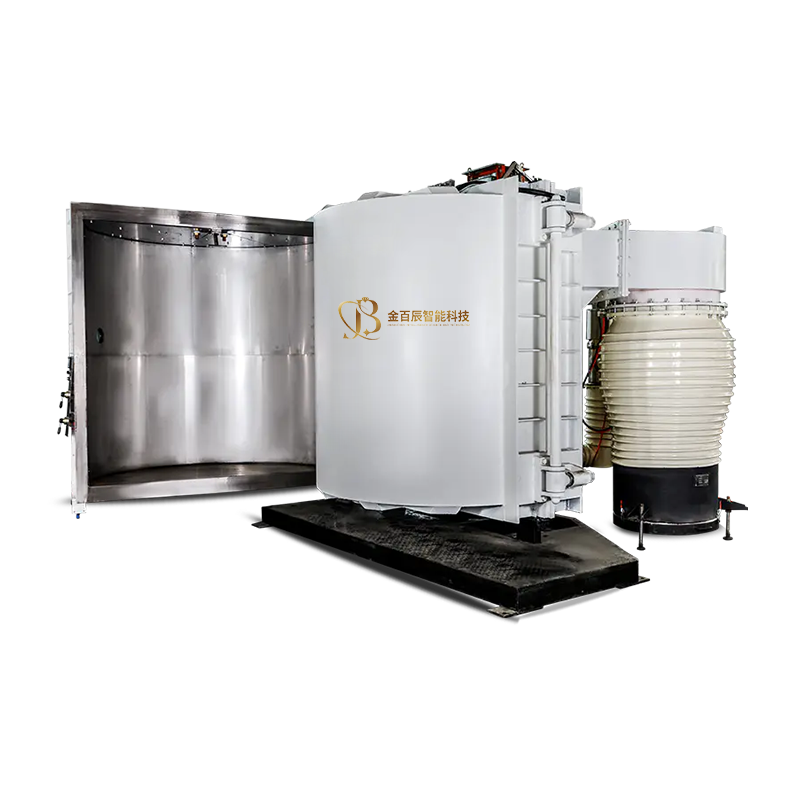
A vacuum evaporation machine typically includes several essential components that work together seamlessly to achieve precise coating results:
These components form the foundation of every vacuum evaporation equipment setup, allowing manufacturers to produce coatings with exacting standards for optical, electronic, or protective purposes.
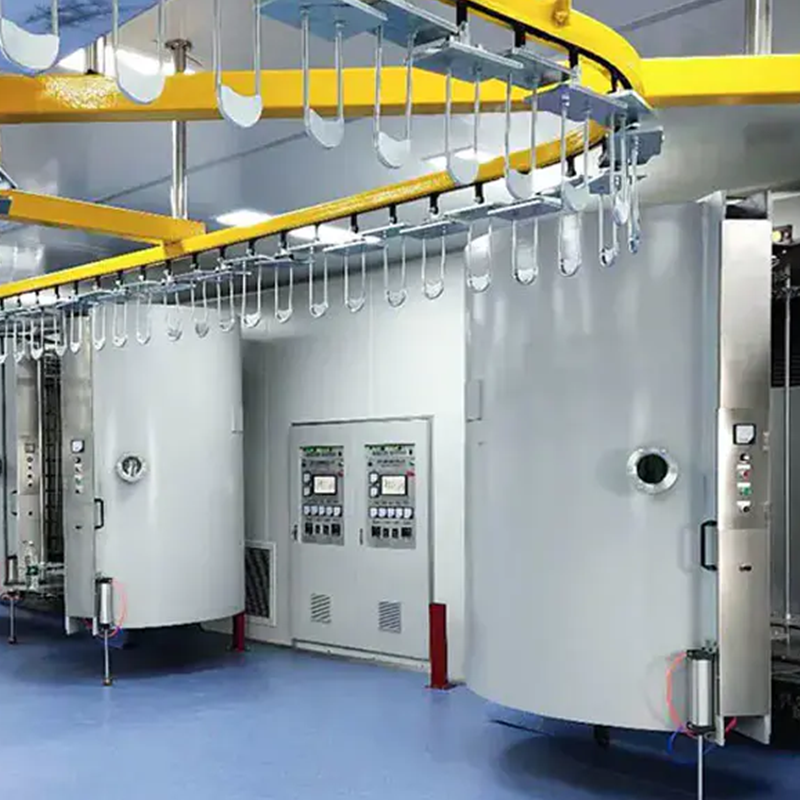
One of the major advantages of vacuum evaporation coating is its versatility. It can deposit a wide range of materials, including:
This flexibility makes vacuum evaporation machines suitable for industries from precision optics to decorative applications, offering an adaptable and efficient coating method for diverse production needs.
Compared to other physical vapor deposition (PVD) methods such as sputtering or arc evaporation, vacuum evaporation coating stands out for its simplicity, lower energy requirements, and ability to produce extremely pure films.
Advantages:
Limitations:
Despite these limitations, modern vacuum evaporation equipment has evolved with advanced control systems and hybrid technologies that overcome many of these challenges, making it a preferred choice for many precision applications.
Vacuum evaporation machines are indispensable across numerous industries:
As product performance standards rise globally, vacuum evaporation equipment continues to play a critical role in manufacturing innovation, enabling both aesthetic and functional enhancements.
Regular maintenance is essential to ensure that vacuum evaporation equipment continues to operate efficiently and produce consistent coating results.
Proper upkeep minimizes downtime, extends component lifespan, and reduces operating costs. Key maintenance practices include:
A well-maintained vacuum evaporation machine not only ensures better coating quality but also contributes to safer and more reliable operation over the long term.
Energy efficiency has become a central focus for all modern coating processes. Compared with other high-energy deposition methods, vacuum evaporation coating generally consumes less power because the vaporization process occurs at lower pressure and requires less kinetic energy transfer.
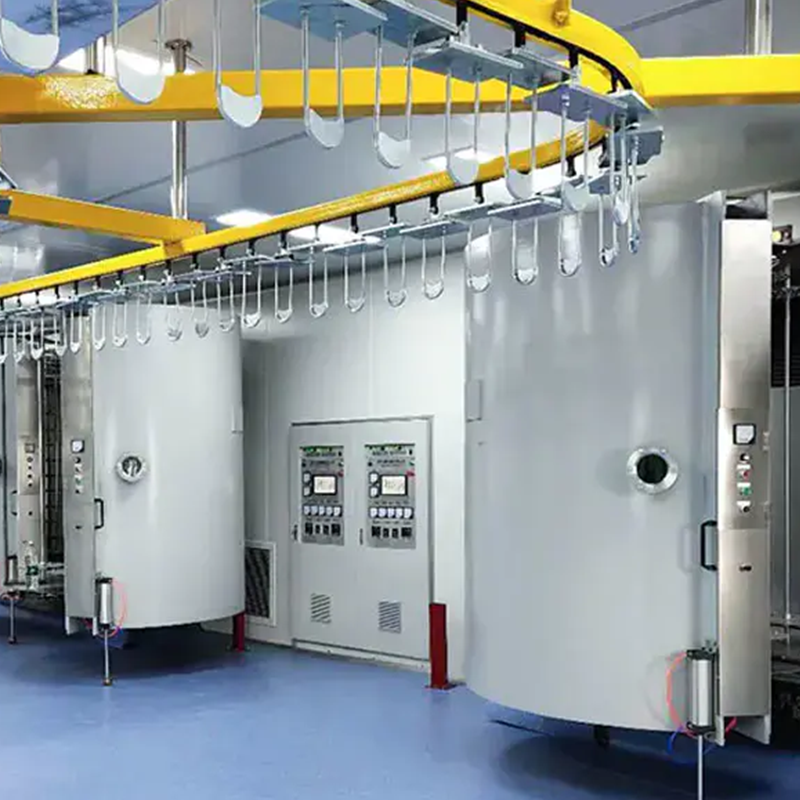
Moreover, vacuum evaporation equipment can be optimized for batch production, enabling multiple substrates to be coated simultaneously within one vacuum cycle. This increases throughput while lowering per-unit energy and maintenance costs.
Automation and advanced control systems further enhance process repeatability and minimize material waste, making vacuum evaporation machines both cost-effective and environmentally friendly solutions for manufacturers aiming to reduce carbon footprints.
The global demand for precision coatings is driving continuous innovation in vacuum evaporation machines. Several key trends are shaping the industry:
These advancements make vacuum evaporation coating an increasingly relevant technology for next-generation optical, electronic, and decorative applications.
Selecting suitable vacuum evaporation equipment depends on several operational and technical factors. Here are some key considerations for buyers and manufacturers:
A well-chosen vacuum evaporation machine can significantly enhance production quality, reduce waste, and increase output efficiency—making it a strategic investment for competitive manufacturing operations.
 Vacuum Coating Equipment Manufacturer