English
  中文简体
中文简体

Industry News
The technical team of Jinbaichen has over 30 years of experience in the research and development of vacuum coating equipment and technological accumulation.


The technical team of Jinbaichen has over 30 years of experience in the research and development of vacuum coating equipment and technological accumulation.
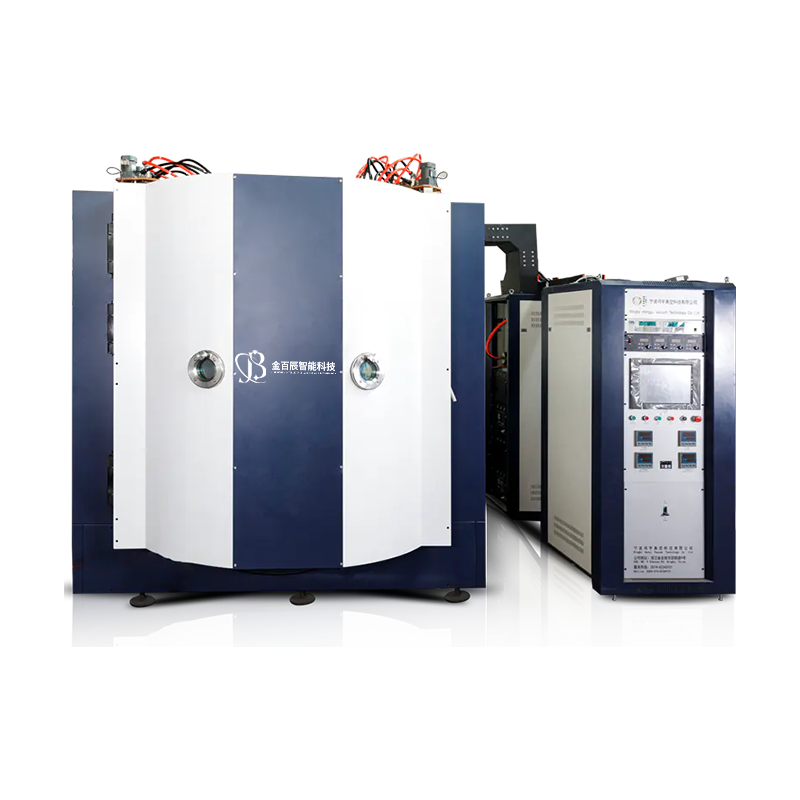
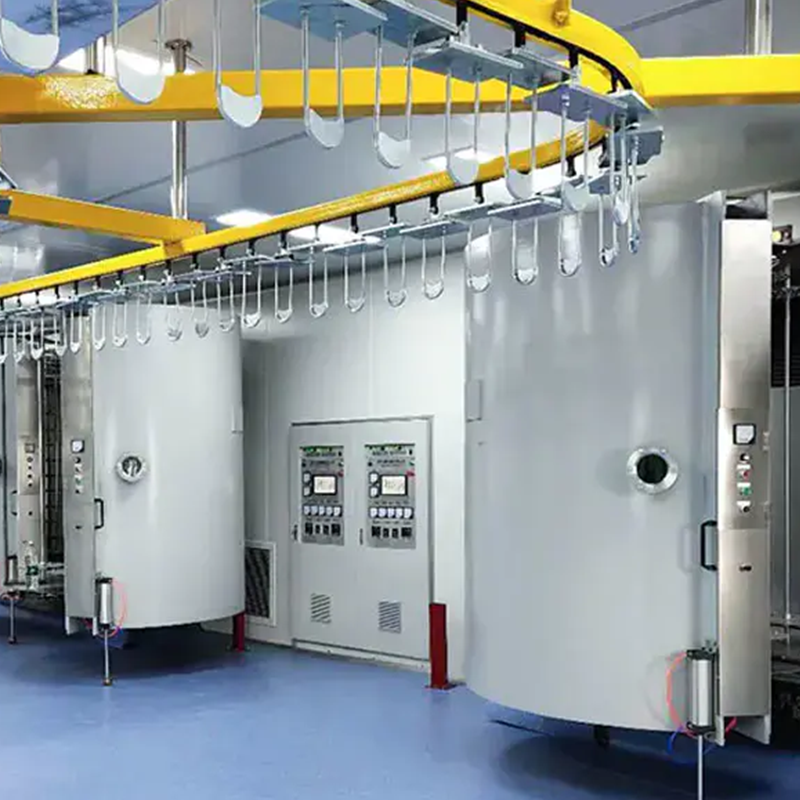
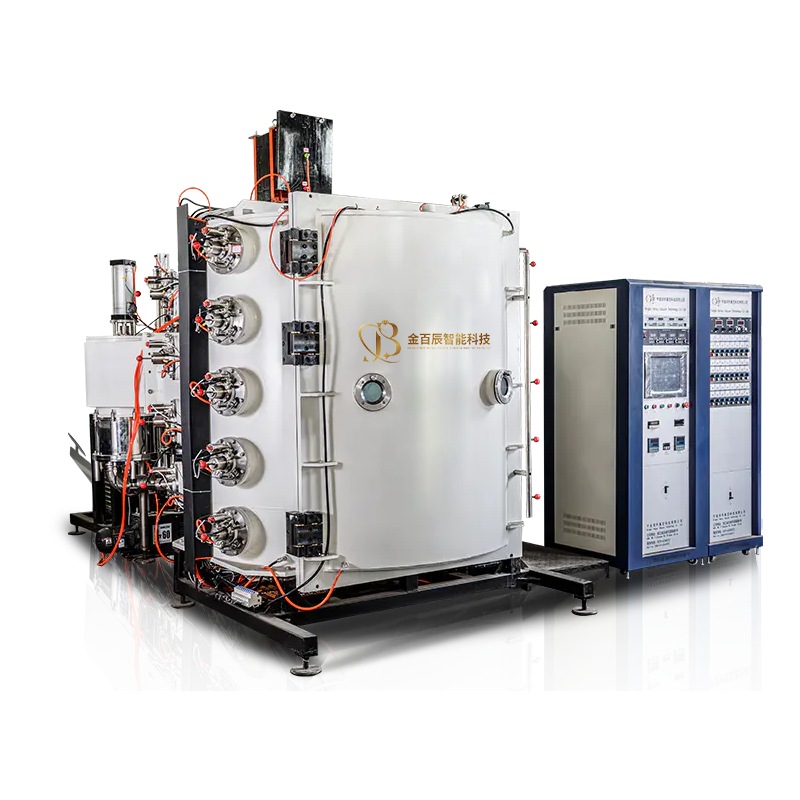
In modern manufacturing, coating technologies are essential for improving product performance, durability, and appearance. Among widely used systems are the ceramic coating machine, plastic coating machine, and glass coating equipment. Each serves a unique function across industries such as automotive, electronics, architecture, and consumer goods.
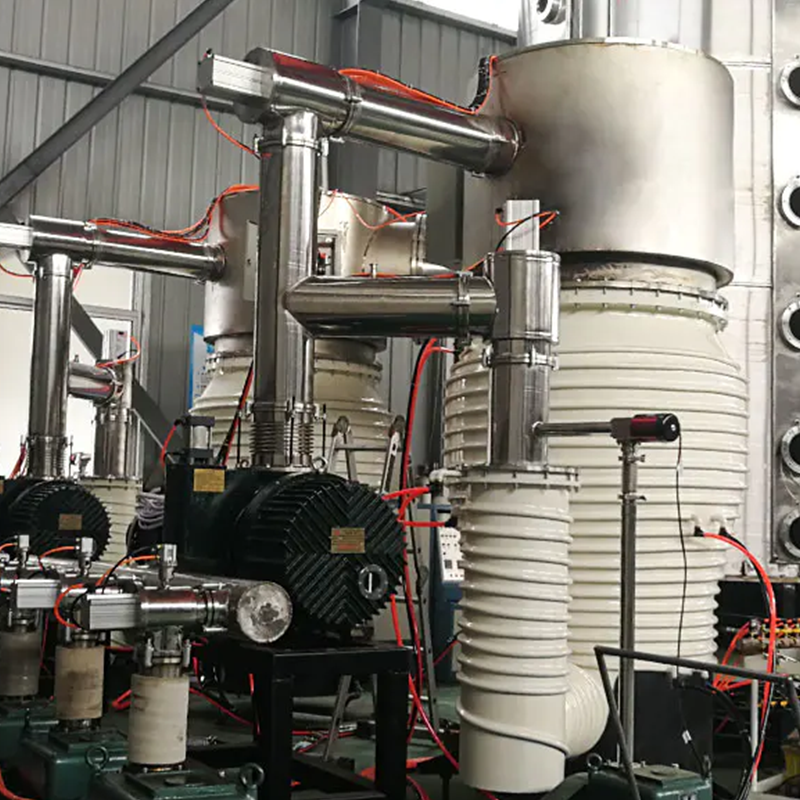
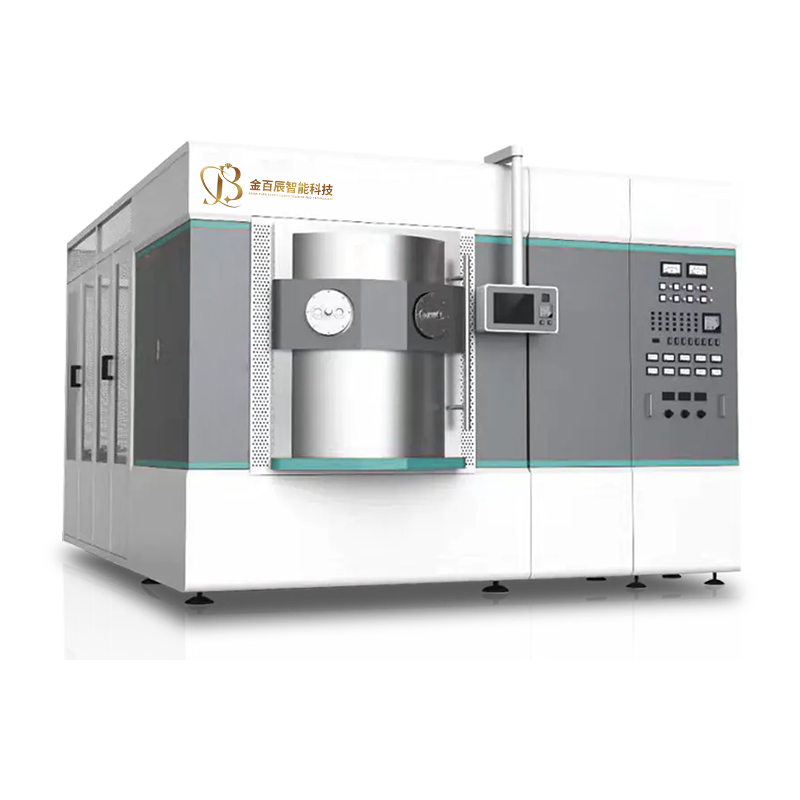
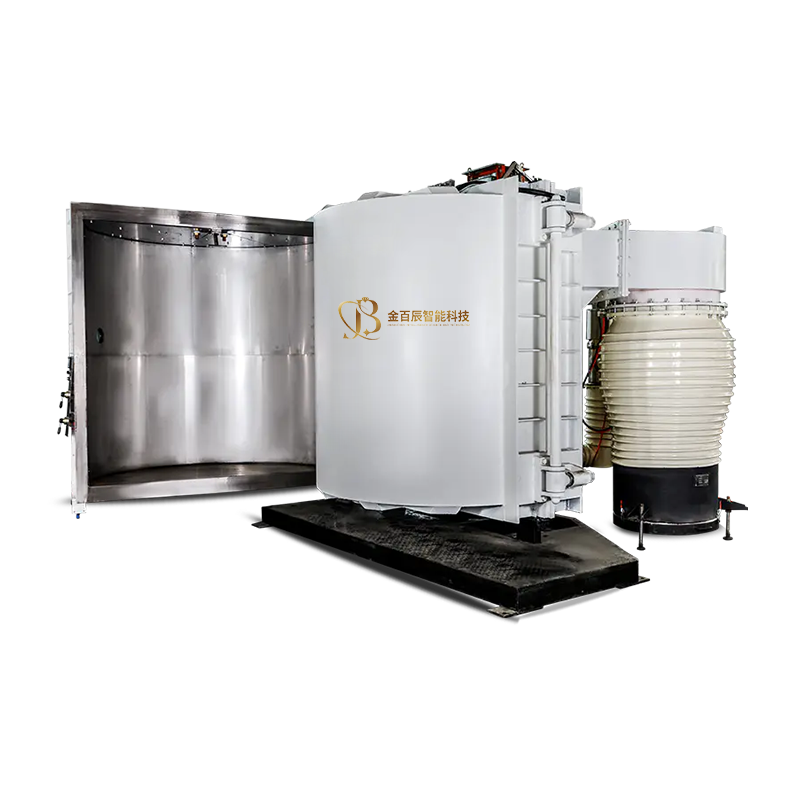
A ceramic coating machine is designed to apply protective ceramic layers onto metal, glass, or composite substrates. These coatings are typically made from materials like alumina, zirconia, or silicon carbide, known for their exceptional hardness and temperature resistance.
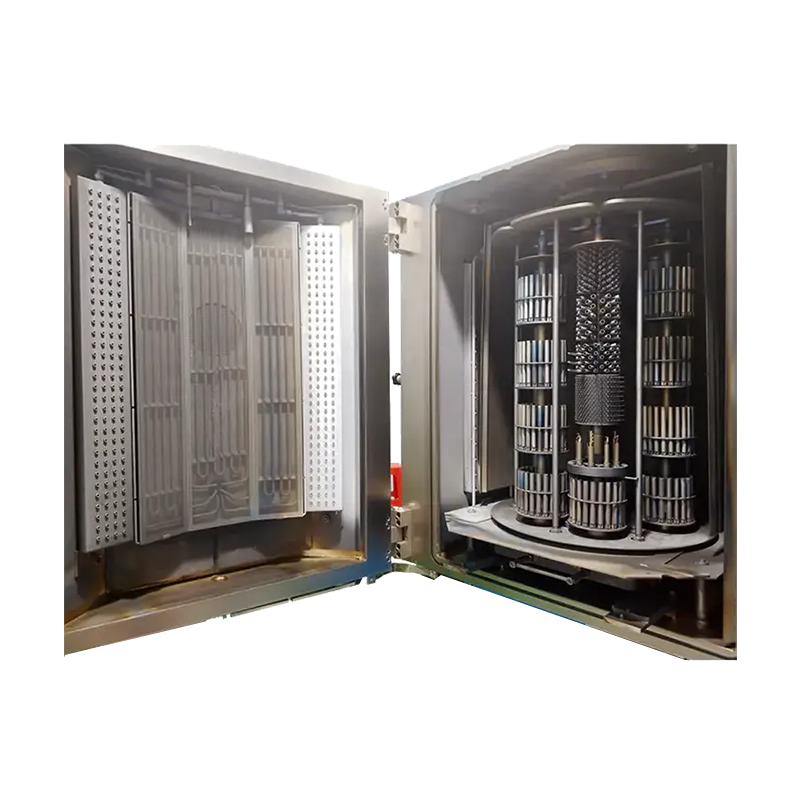
The process may involve physical vapor deposition (PVD), plasma spraying, or sol-gel coating depending on the desired film properties. During operation, the coating machine heats and vaporizes the ceramic material, which then deposits onto the substrate surface to form a thin, adherent layer.
Key Functions:
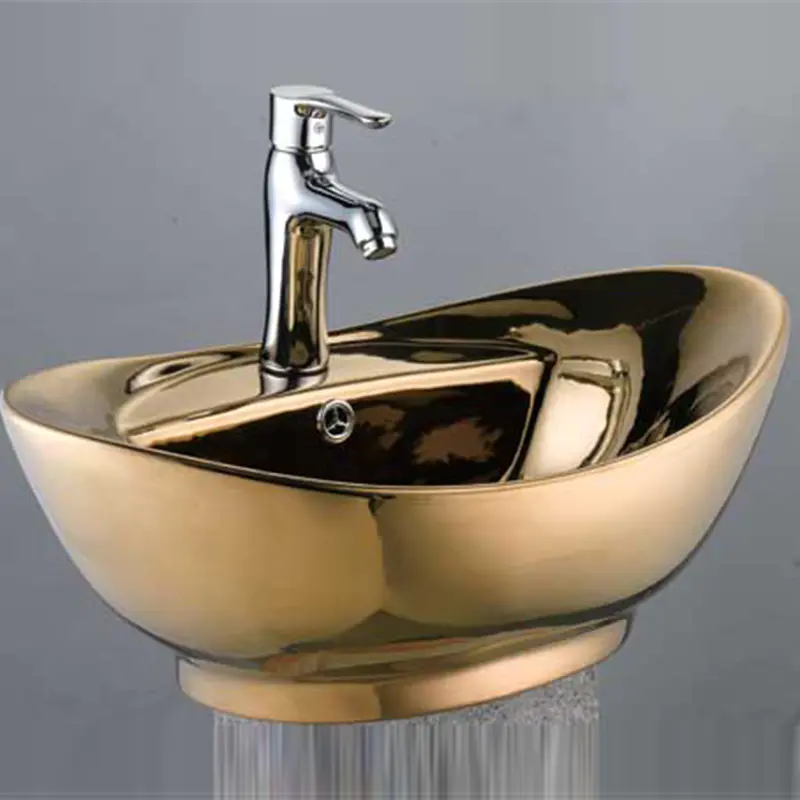
The significance of ceramic coatings lies in their ability to protect components that operate under conditions.
Industries such as aerospace, automotive, and energy rely on ceramic coating machines to enhance turbine blades, exhaust manifolds, or molds.
| Application Area | Purpose of Ceramic Coating | Benefits |
| Automotive | Protects exhaust systems and pistons | Higher heat tolerance, longer part life |
| Aerospace | Coats turbine blades and nozzles | Improved oxidation resistance |
| Industrial Tools | Cutting and forming equipment | Reduced friction and wear |
| Electronics | Insulating components | Electrical stability |
These capabilities make ceramic coating machines an indispensable part of precision manufacturing and high-performance engineering.
Unlike ceramic systems, a plastic coating machine focuses on applying polymer-based coatings to different surfaces, including metals, woods, and even other plastics.
The coating provides protection, decoration, and functional enhancement such as water resistance, UV blocking, or soft-touch finishes.
Common methods include:
These techniques help manufacturers produce consumer-friendly products with improved durability and visual appeal.
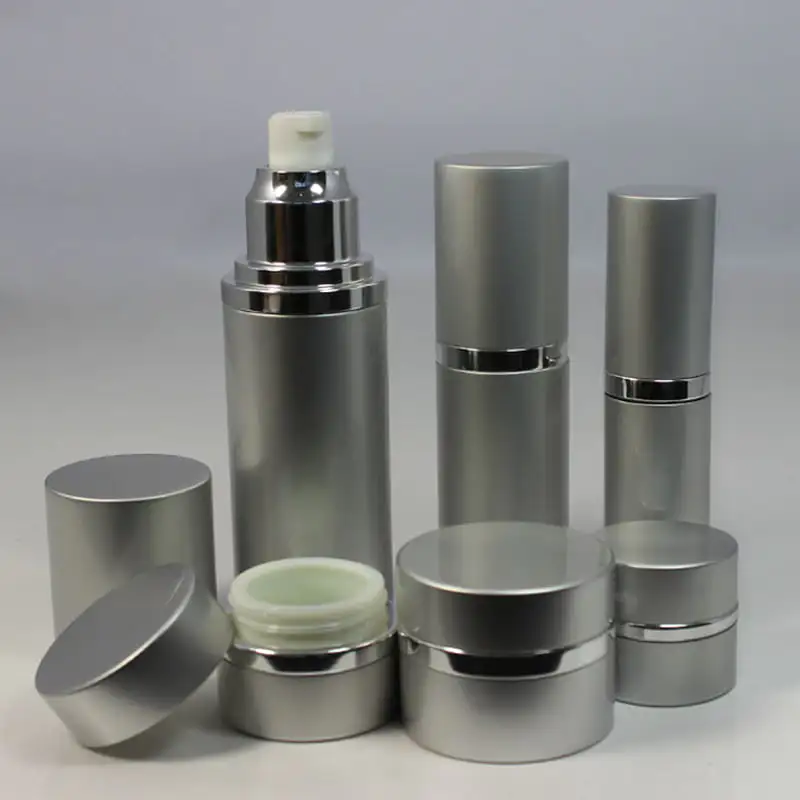
Plastic coatings are valued for their versatility and cost efficiency. Compared with metal or ceramic coatings, they can be applied at lower temperatures, making them suitable for temperature-sensitive materials.
Main Advantages:
From furniture to automotive parts and packaging films, plastic coating machines support large-scale, consistent coating applications across diverse sectors.
Glass coating equipment is specifically designed to apply functional or decorative films to glass substrates. Unlike metal or plastic coatings, glass coatings often focus on optical properties such as transparency, reflection, and thermal control.
There are several common technologies used:
Modern glass coating equipment allows precise control of thickness and uniformity, ensuring optical clarity and long-term durability.
Glass coatings play a crucial role in industries ranging from construction to consumer electronics. They enhance energy efficiency, visual appeal, and durability.
| Industry | Type of Coating | Primary Function |
| Architecture | Low-E or solar-control coatings | Reduces heat transfer, saves energy |
| Automotive | Anti-glare or IR-reflective layers | Improves comfort and visibility |
| Electronics | Display glass coatings | Protects screens from scratches and fingerprints |
| Optics | Anti-reflective coatings | Enhances lens clarity and performance |
By utilizing advanced glass coating equipment, manufacturers can produce high-value glass products that meet demanding environmental and aesthetic standards.

Although ceramic, plastic, and glass coating systems serve distinct purposes, they often coexist within integrated manufacturing lines. For example:
This combination ensures both performance and design advanced across the entire product assembly, from mechanical strength to visual goodion.
Selecting the proper coating system depends on your product type, surface requirements, and production scale.
Each of the three technologies—ceramic coating machine, plastic coating machine, and glass coating equipment—offers unique benefits tailored to specific industrial needs.
Key Selection Factors:
Material Compatibility:
Choose a machine capable of coating your specific substrate, whether it's metal, polymer, or glass.
Coating Function:
Identify whether your coating is for protection, decoration, or functional enhancement.
Production Volume:
For mass production, opt for high-throughput systems with automated handling.
Precision & Film Thickness:
In optics and electronics, even nanometer-level uniformity is crucial.
Operating Costs & Maintenance:
Consider long-term expenses including energy consumption, spare parts, and downtime.
For instance, a manufacturer of automotive components may combine ceramic coating machines for exhaust parts with plastic coating machines for dashboards, ensuring good performance across materials.
Proper maintenance ensures consistent quality, stable operation, and extended equipment lifespan. Whether it's a ceramic coating machine, plastic coating machine, or glass coating equipment, preventive care is essential.
General Maintenance Tips:
Routine maintenance reduces unplanned downtime and keeps coating results consistent even after long production cycles.
The fields of ceramic coating machines, plastic coating machines, and glass coating equipment are advancing rapidly with the integration of smart and eco-friendly technologies.
Emerging Trends:
These innovations reflect the growing demand for coatings that are not only high-performing but also environmentally responsible.
The evolution of ceramic coating machines, plastic coating machines, and glass coating equipment reflects the growing importance of surface engineering in modern industry. Ceramic coatings deliver durability and heat resistance, plastic coatings offer flexibility and aesthetic appeal, while glass coatings provide optical precision and energy efficiency.
 Vacuum Coating Equipment Manufacturer