English
  中文简体
中文简体

Industry News
The technical team of Jinbaichen has over 30 years of experience in the research and development of vacuum coating equipment and technological accumulation.

The technical team of Jinbaichen has over 30 years of experience in the research and development of vacuum coating equipment and technological accumulation.
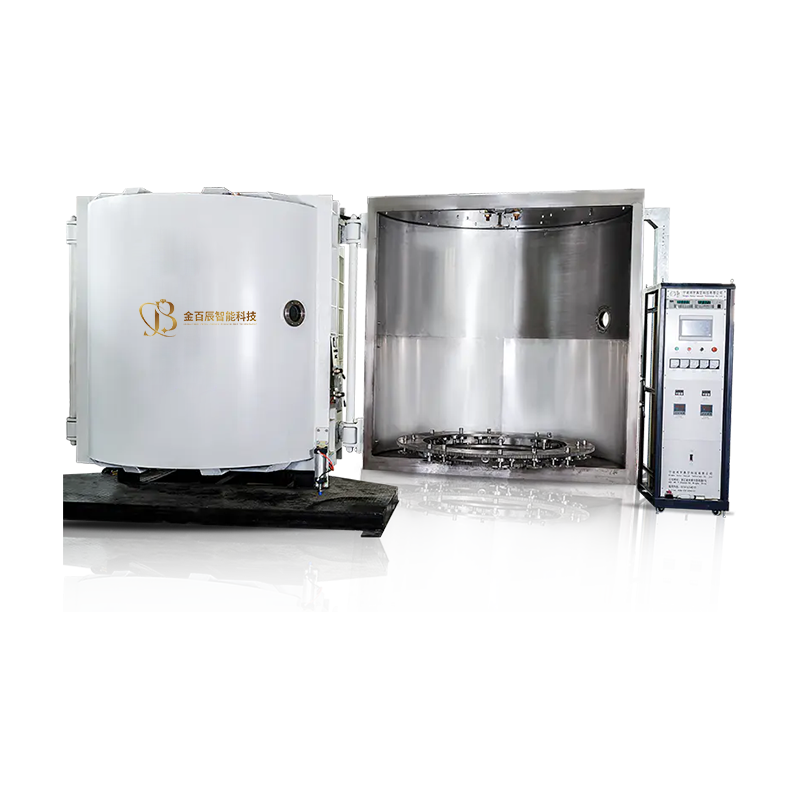
Physical Vapor Deposition (PVD) has become a widely used technique in industries ranging from automotive to electronics and decorative finishes. PVD processes allow thin films to be deposited on a variety of surfaces, enhancing durability, corrosion resistance, and aesthetic appeal. One question that often arises is whether PVD Vacuum Coating Equipment can work effectively with multiple substrate types.
How PVD Works
PVD is a process that transfers material from a solid or liquid source to a substrate in a vacuum environment. The coating material is vaporized, and atoms or molecules condense on the target surface, forming a thin and uniform layer. This process does not involve chemical reactions with the substrate, which makes it inherently flexible.
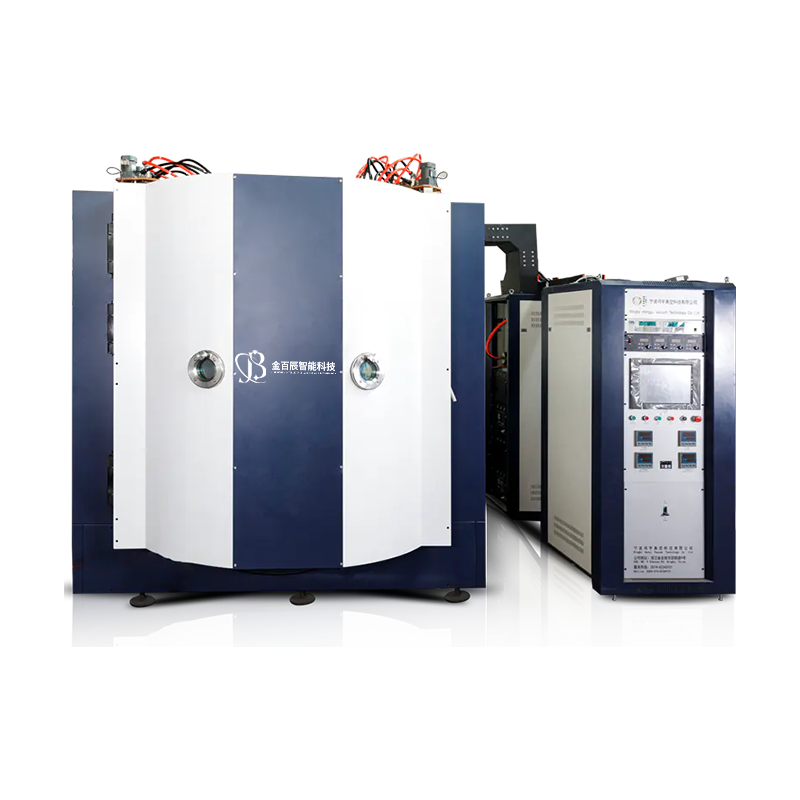
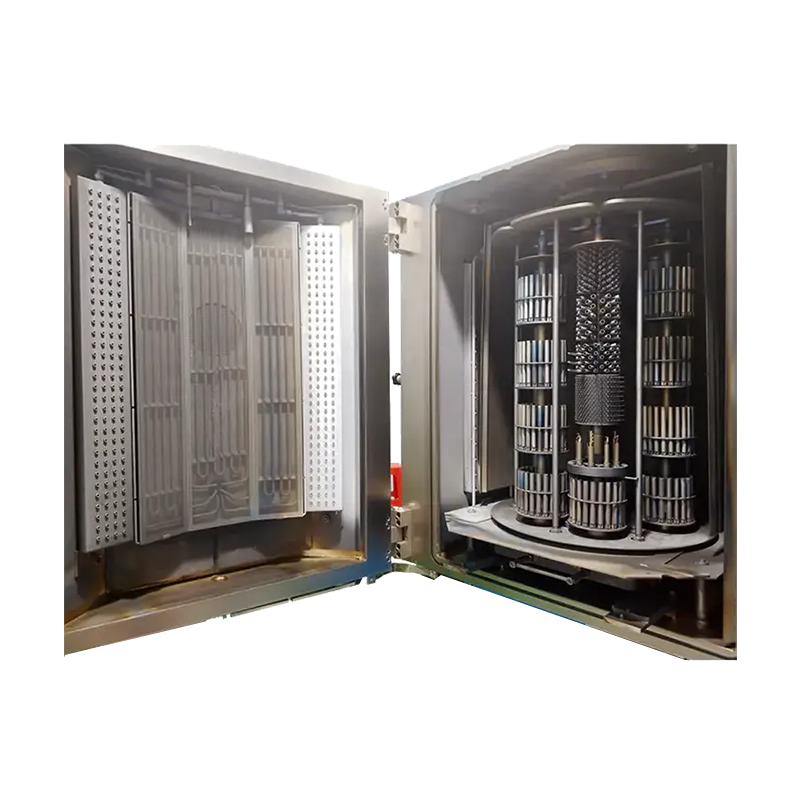
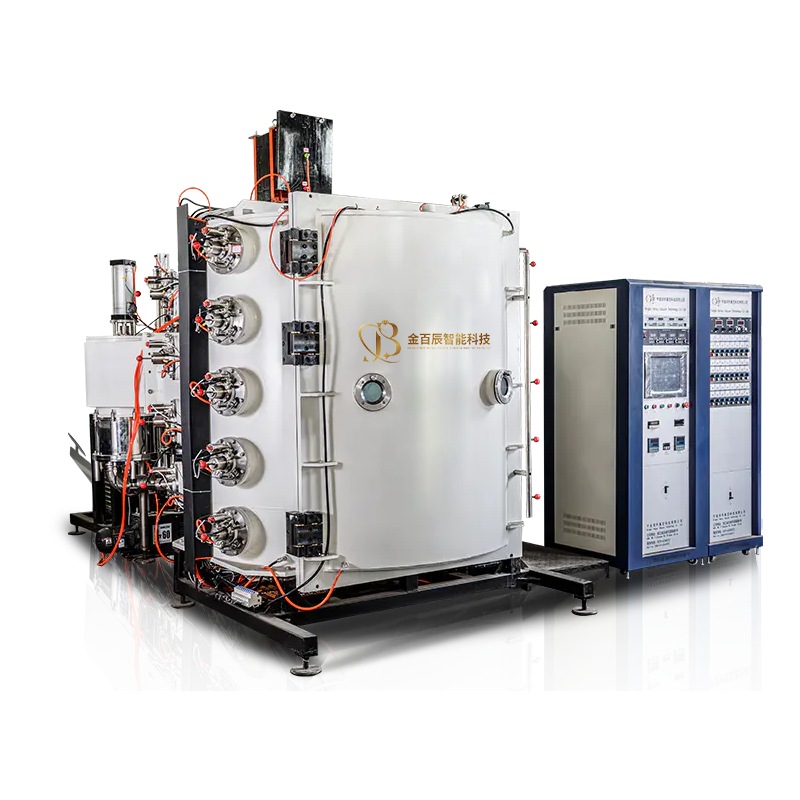
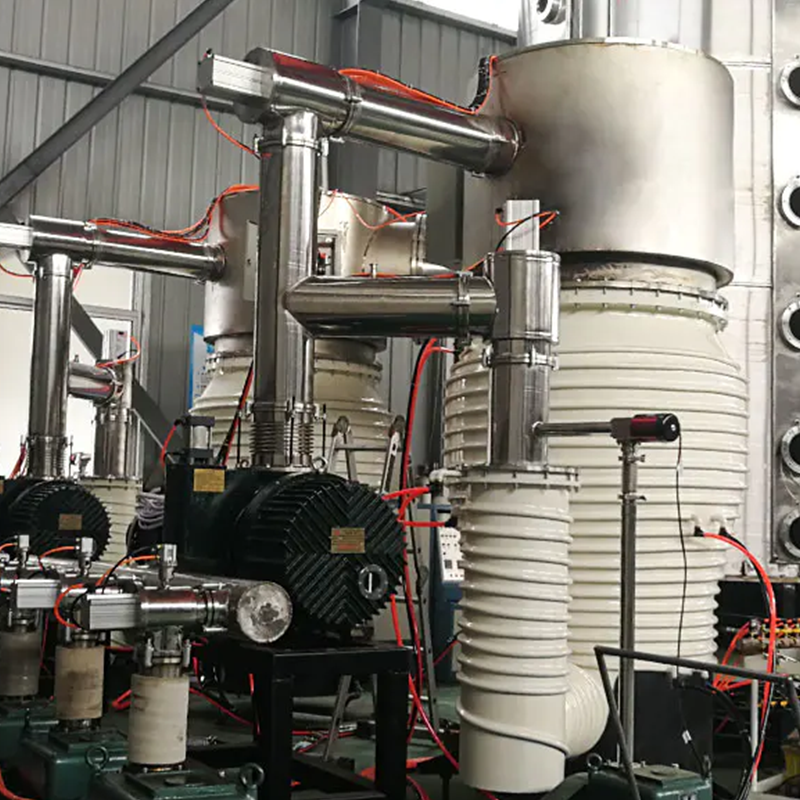
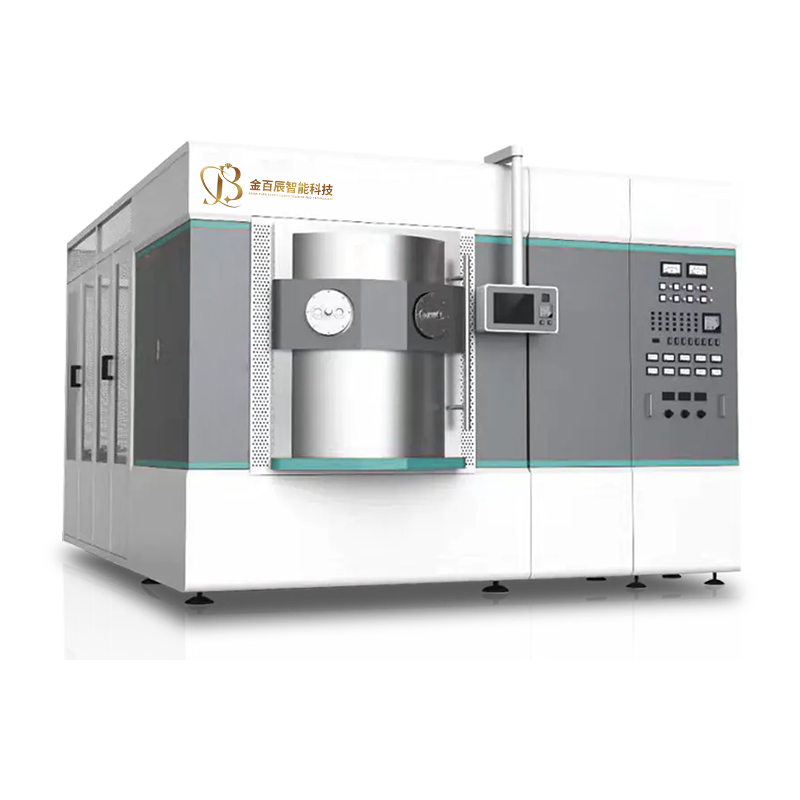
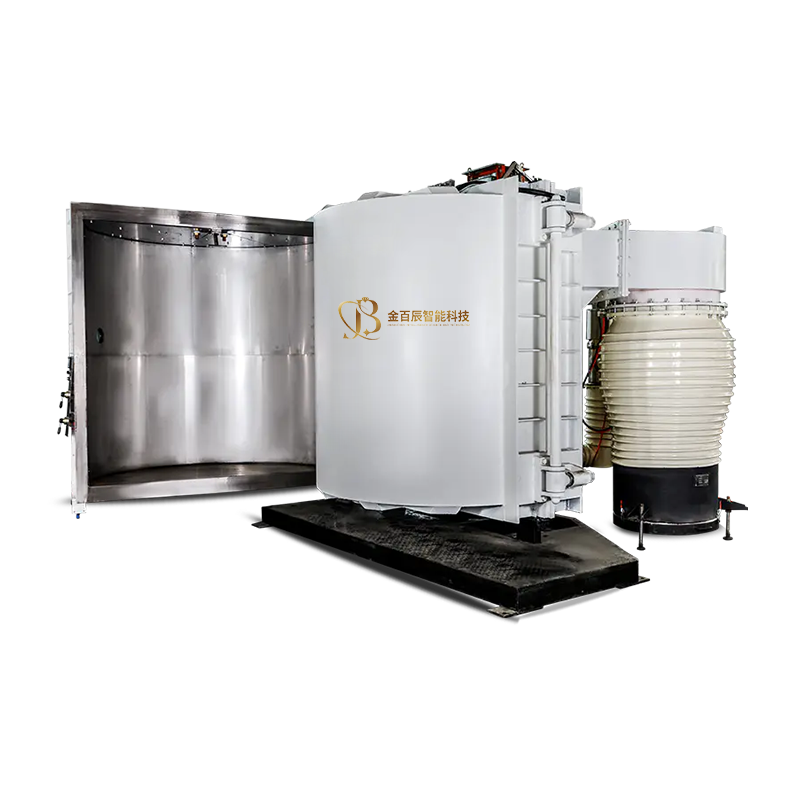
A PVD Vacuum Coating Equipment setup typically includes a vacuum chamber, vapor source, and substrate holder. By adjusting deposition parameters such as temperature, pressure, and deposition rate, operators can achieve consistent results across a range of materials.
Compatibility With Different Materials
One of the key advantages of PVD is its ability to work with diverse substrates. Metals, glass, ceramics, and certain polymers can all be coated using this technology. However, not every material behaves the same under vacuum or high temperature conditions, so careful consideration is necessary.
For metals like aluminum or stainless steel, adhesion is generally strong, and coating uniformity is easier to achieve. Glass and ceramics can also be coated effectively, although pre-treatment such as cleaning or plasma activation may be required to improve surface bonding. Some plastics can be coated, provided they can tolerate the vacuum environment and process temperatures. Using a PVD Vacuum Coating Equipment with adjustable parameters allows operators to tailor the process to different substrate types.
Adjusting Parameters for Optimal Results
Even though PVD is versatile, each substrate type requires specific process adjustments. Temperature control is critical, especially for heat-sensitive materials. Lower deposition temperatures may be needed for polymers, while higher temperatures can improve adhesion on metals and ceramics.
The angle and rotation of the substrate also influence coating uniformity. Many PVD Vacuum Coating Equipment systems include rotating holders or multi-axis movement to ensure that complex shapes receive consistent coverage. Gas composition, pressure, and deposition rate are additional factors that can be modified to suit different materials.
Surface Preparation and Post-Treatment
Surface preparation plays a significant role in coating quality. Cleaning and degreasing remove contaminants that might interfere with adhesion. Some substrates may benefit from additional pre-treatments, such as sputter etching or plasma activation, which enhance the bond between the coating and the material.
After coating, post-treatment such as annealing or protective layer application can further improve durability. A PVD Vacuum Coating Equipment capable of handling post-treatment processes simplifies workflow and broadens its range of compatible substrates.
Industrial Applications
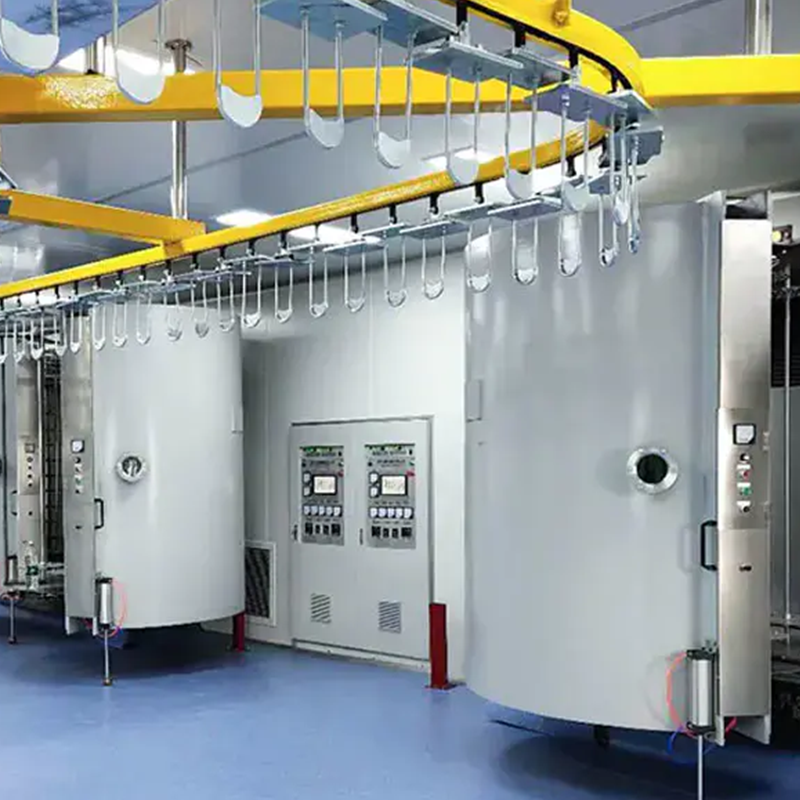
The versatility of PVD coatings opens opportunities across multiple industries. In electronics, delicate ceramic and polymer components can receive thin conductive or protective films. Decorative applications include coating metals, glass, and even engineered plastics with colored finishes or wear-resistant layers. Medical devices, tools, and automotive parts are also commonly treated, demonstrating the adaptability of PVD Vacuum Coating Equipment for various substrate types.
PVD vacuum coating is inherently flexible, and modern PVD Vacuum Coating Equipment can work with a wide variety of substrates. Metals, glass, ceramics, and select polymers can all benefit from this process, provided that the parameters are adjusted to suit each material. With proper surface preparation, deposition control, and post-treatment, PVD coatings can deliver reliable performance and aesthetic value across multiple industries. By understanding substrate compatibility and process requirements, manufacturers can fully utilize the potential of PVD technology to enhance their products.
 Vacuum Coating Equipment Manufacturer