

 English
  中文简体
中文简体

HOME / PRODUCTS
PVD Vacuum Coating Equipment
The technical team of Jinbaichen has over 30 years of experience in the research and development of vacuum coating equipment and technological accumulation.

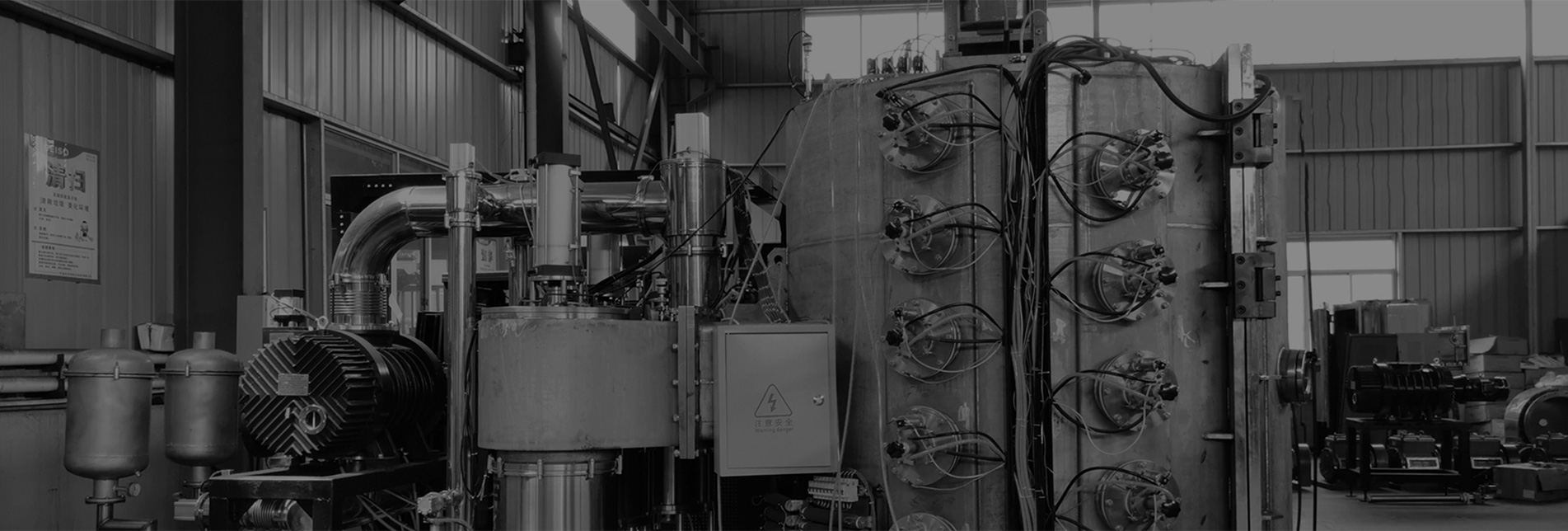
The technical team of Jinbaichen has over 30 years of experience in the research and development of vacuum coating equipment and technological accumulation.
24 Hours Online Service.
Frontier of the coating process industry.
The precipitation of more than 30 years of technical design.
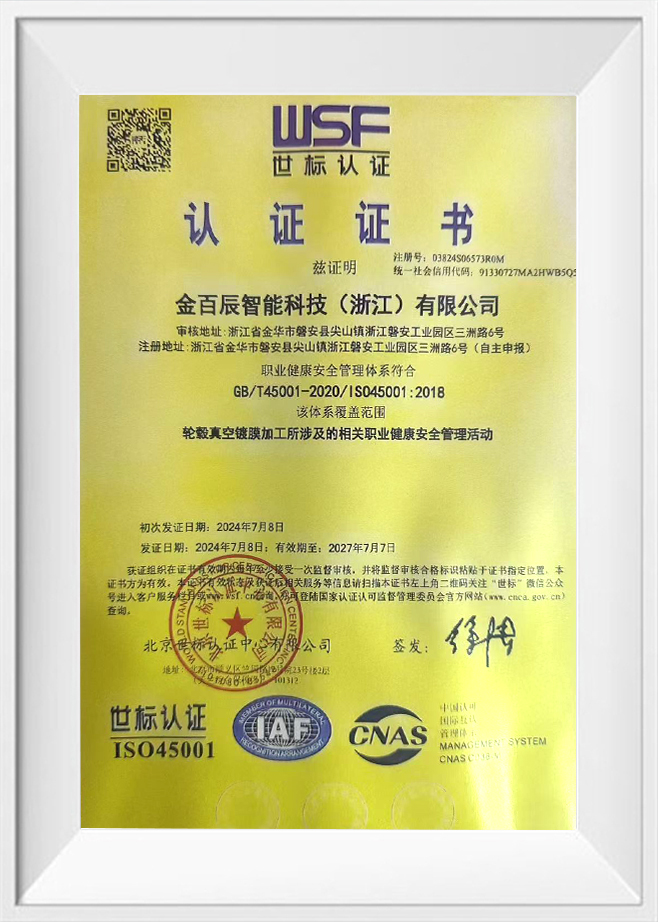
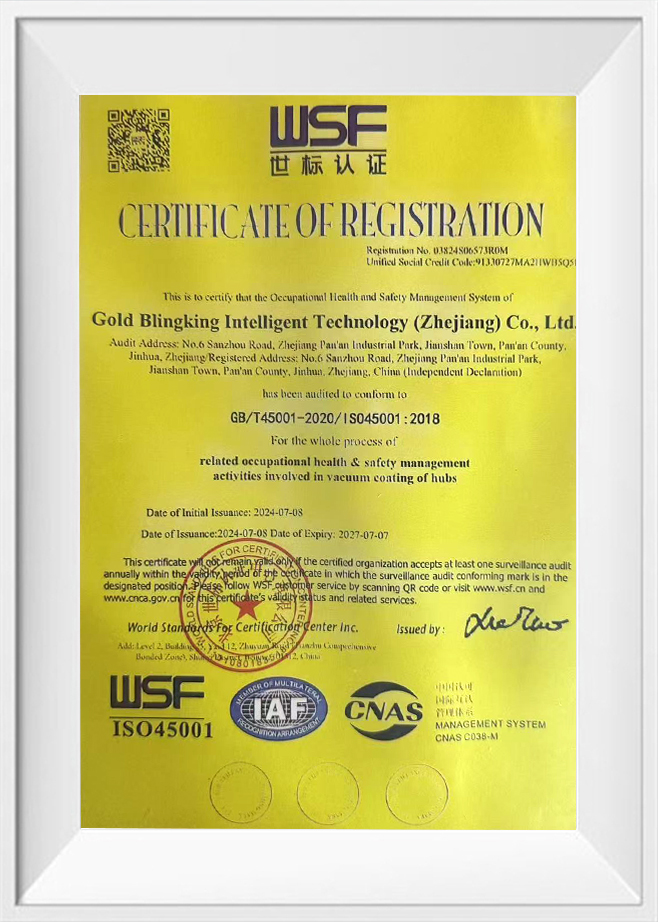
Based on the development concept of "based on domestic and facing the world", the company keeps pace with the times, and is willing to join hands with domestic and foreign customers to develop together and create a better future.
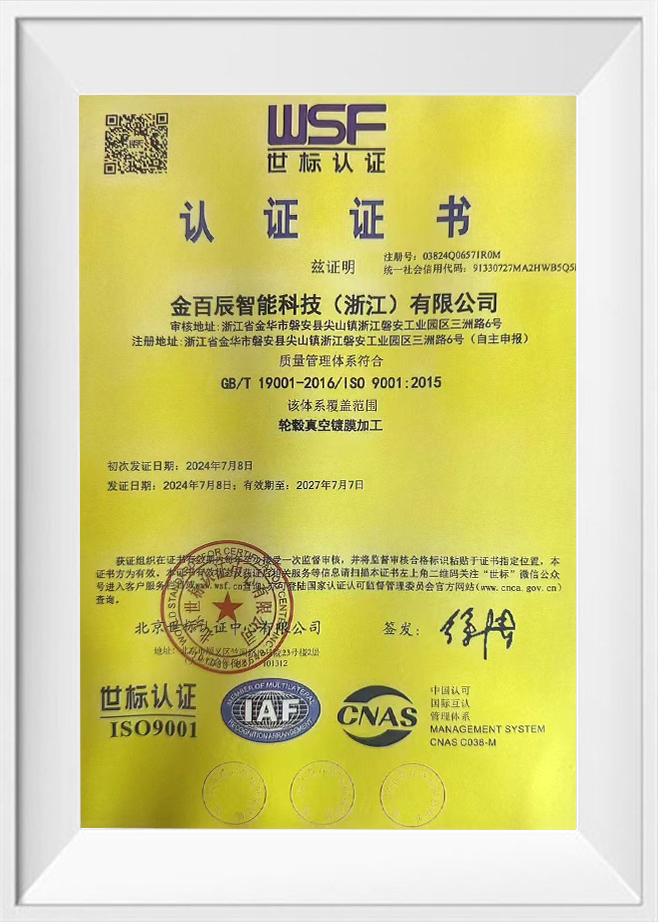
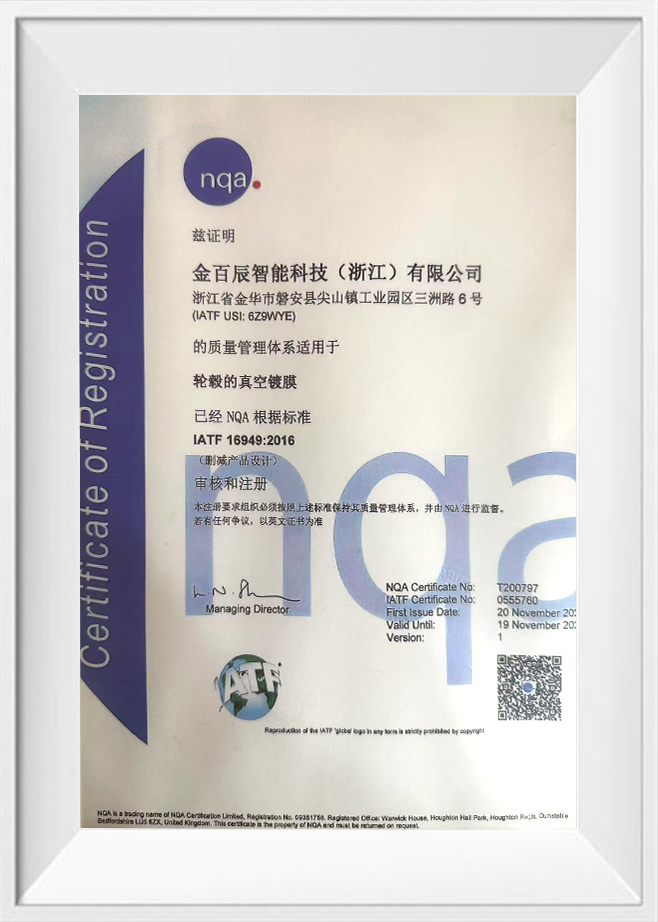
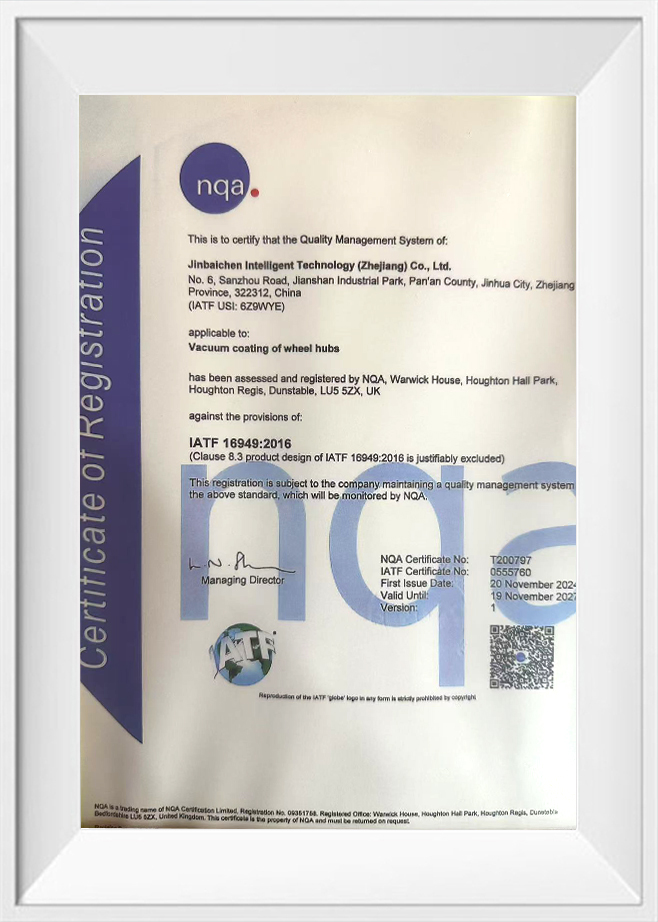
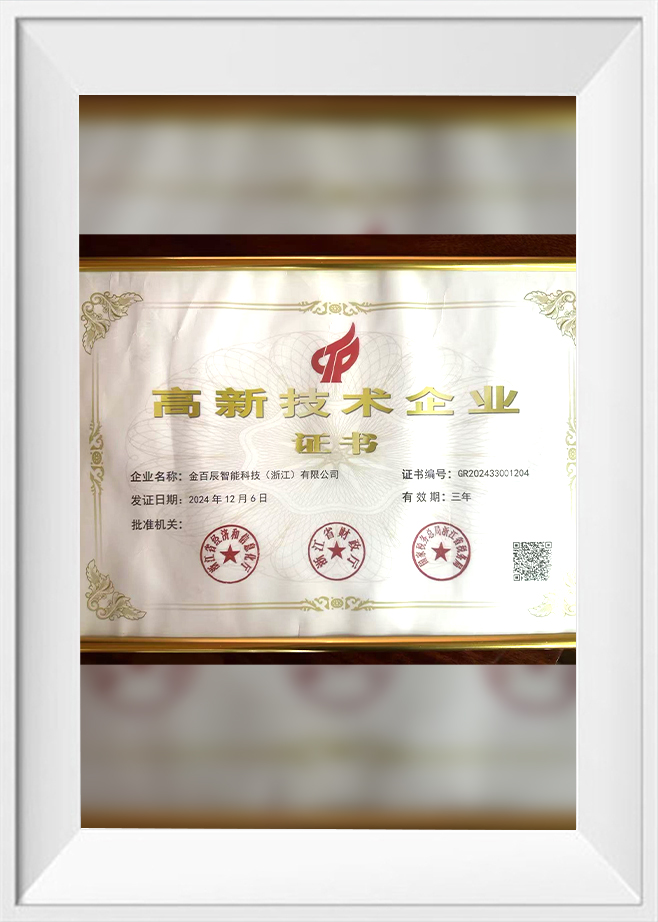
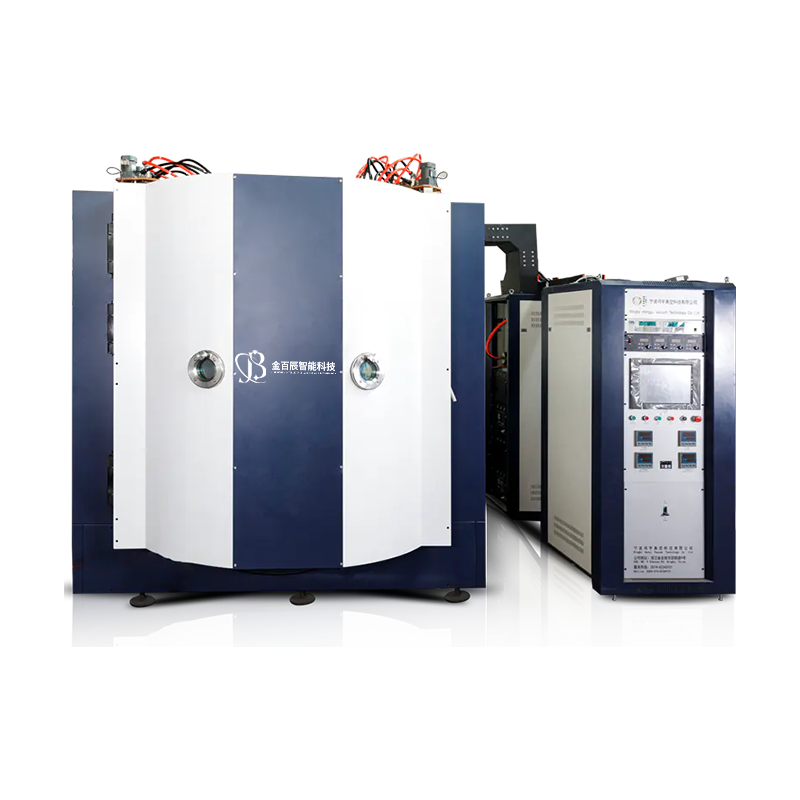
PVD vacuum coating equipment refers to advanced vacuum systems that deposit thin films or functional coatings onto various substrates using the Physical Vapor Deposition (PVD) process. In PVD, coating materials are vaporized in a high-vacuum environment and condensed onto the surface of the target, forming a uniform, adherent, and highly durable layer.
Key differences compared to traditional vacuum coating equipment include:
PVD vacuum coating equipment offers higher performance, broader applicability, and better process control than traditional vacuum coating methods.
Selecting the right PVD coating system depends on your product requirements, material type, and production scale. Key factors to consider include:
By carefully evaluating these parameters, you can select a PVD system that meets both technical and production demands.
Physical Vapor Deposition (PVD) equipment is highly versatile and widely used across multiple industries:
If your industry requires high-quality, uniform, and durable coatings where performance and aesthetics are critical, PVD and related physical vapor deposition equipment are outstanding choices. Our manufacturing expertise ensures we can guide you to select the right system, tailor it for your production needs, and provide ongoing technical support to optimize results.
Metal parts used in daily industrial environments often carry marks that are easy to overlook. Cutting residue, light oil film from handling, and small scratche...
High Vacuum Coating Equipment creates a controlled environment for depositing thin films onto surfaces. The system consists of a vacuum chamber, pumps to remove...
Surface fading usually starts quietly. A product looks fine when it leaves the factory, yet daily contact, light exposure, moisture, and friction begin changing...
Why Does Optical Coating Equipment Matter In Modern Optical Manufacturing Many optical products gain a large part of their functional value from what happens on...
 Physical Vapor Deposition Equipment
