English
  中文简体
中文简体

Industry News
The technical team of Jinbaichen has over 30 years of experience in the research and development of vacuum coating equipment and technological accumulation.


The technical team of Jinbaichen has over 30 years of experience in the research and development of vacuum coating equipment and technological accumulation.
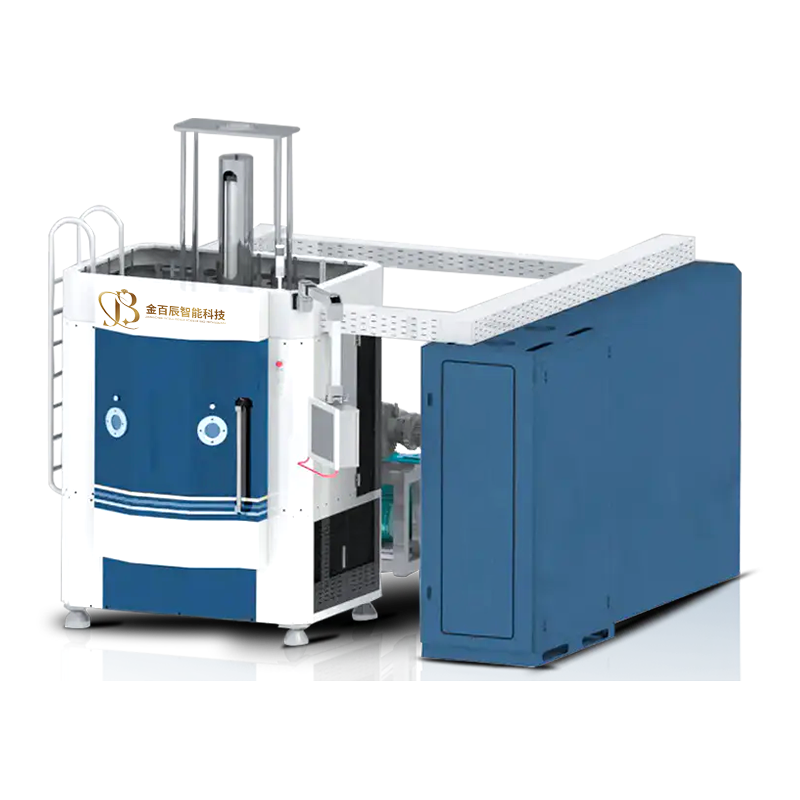
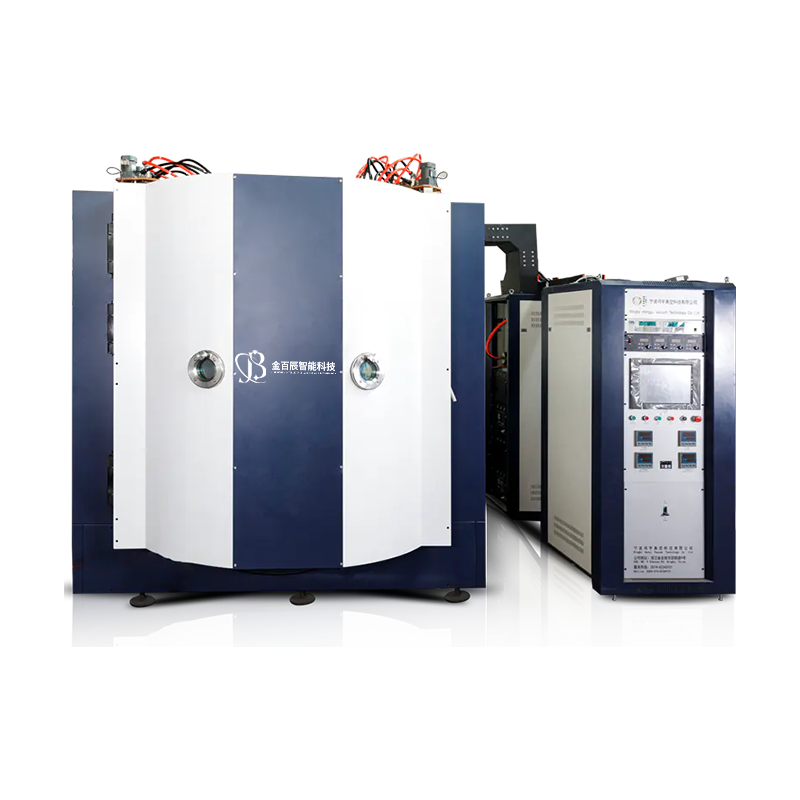
PVD optical coating equipment plays a crucial role in the production of high-quality optical components. From eyeglasses and camera lenses to scientific instruments and industrial glass, optical coatings improve performance by reducing reflection, increasing durability, and enhancing visual clarity. Understanding the working principles, applications, and advantages of PVD (Physical Vapor Deposition) technology helps manufacturers choose the right equipment and achieve consistent results.
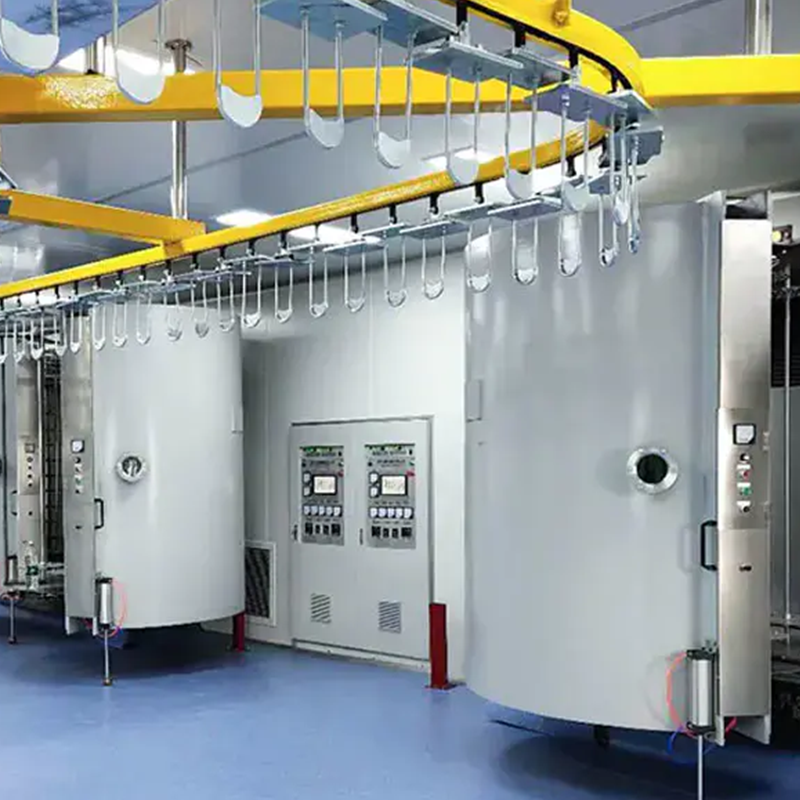
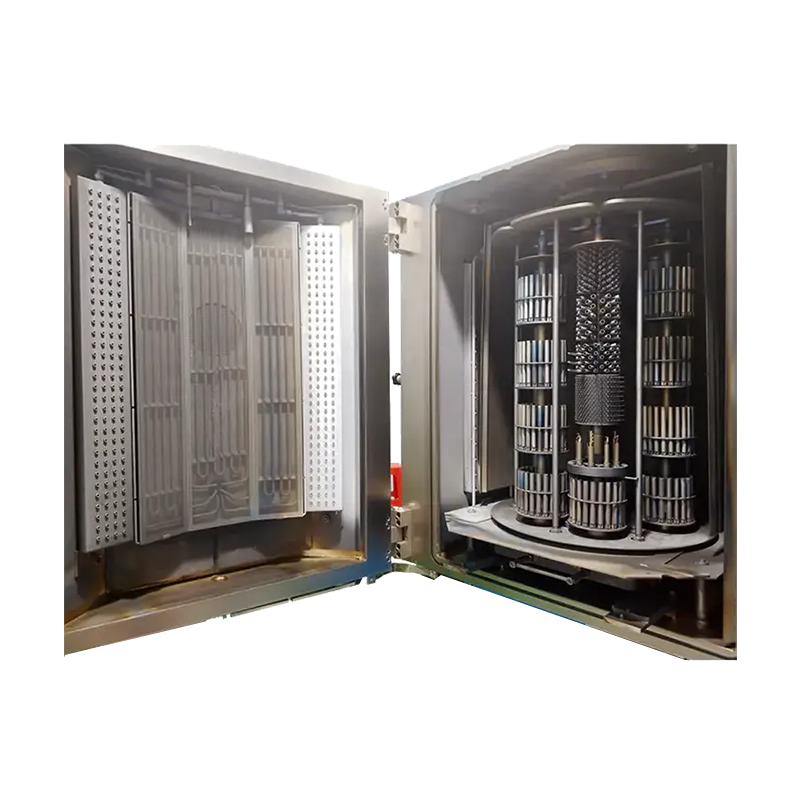
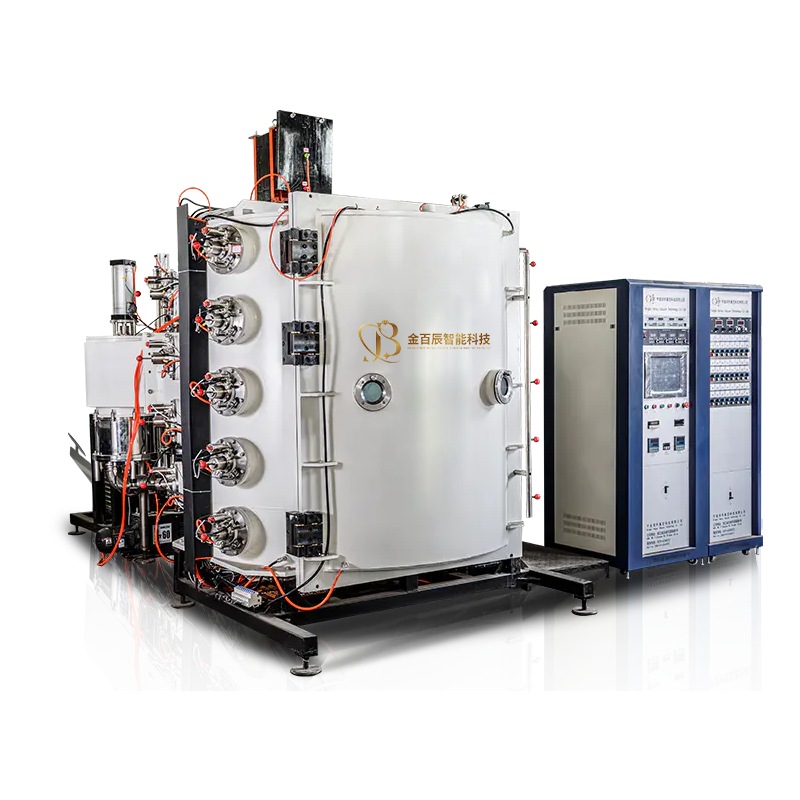
PVD optical coating equipment is designed to deposit thin films onto optical substrates such as glass, plastic, or crystalline materials. The PVD process involves vaporizing a solid material in a vacuum and allowing it to condense on the surface of the substrate, forming a uniform coating layer.
The equipment typically includes:
By precisely controlling these factors, PVD optical coating equipment ensures consistent thickness, adhesion, and optical performance.
The versatility of PVD optical coating equipment allows it to be used in a wide range of applications:
These applications demonstrate how critical the equipment is for industries that require precise optical and mechanical performance.
The use of PVD coatings provides several benefits over traditional coating methods:
A PVD optical coating equipment setup can also handle complex substrate shapes and sizes, allowing manufacturers to expand product offerings and meet customized requirements.
When selecting PVD optical coating equipment, manufacturers should consider factors such as:
Careful selection ensures reliable production and reduces material waste, improving overall efficiency.
Maintaining PVD optical coating equipment is crucial for achieving consistent quality. Regular cleaning of the vacuum chamber, checking deposition sources, and calibrating monitoring sensors helps avoid defects such as uneven coating, contamination, or adhesion failure.
Proper process control allows operators to reproduce coatings with precise thickness and optical characteristics. This is especially important in high-volume production environments where uniformity is critical.
As optical technology evolves, PVD optical coating equipment continues to adapt. Innovations in ion-assisted deposition, multi-layer coatings, and high-speed automation expand the potential applications of PVD coatings. For manufacturers, this means more flexibility in producing advanced optics for consumer, industrial, and scientific uses.
PVD optical coating equipment is essential for producing high-quality optical components with improved durability, reduced reflection, and precise performance. From anti-reflective lenses to industrial instruments, the technology enables manufacturers to meet diverse requirements efficiently. Understanding the equipment's capabilities, maintenance needs, and application scope helps businesses achieve consistent results and maintain a competitive edge in the optics industry.
 Vacuum Coating Equipment Manufacturer