Industry News
The technical team of Jinbaichen has over 30 years of experience in the research and development of vacuum coating equipment and technological accumulation.
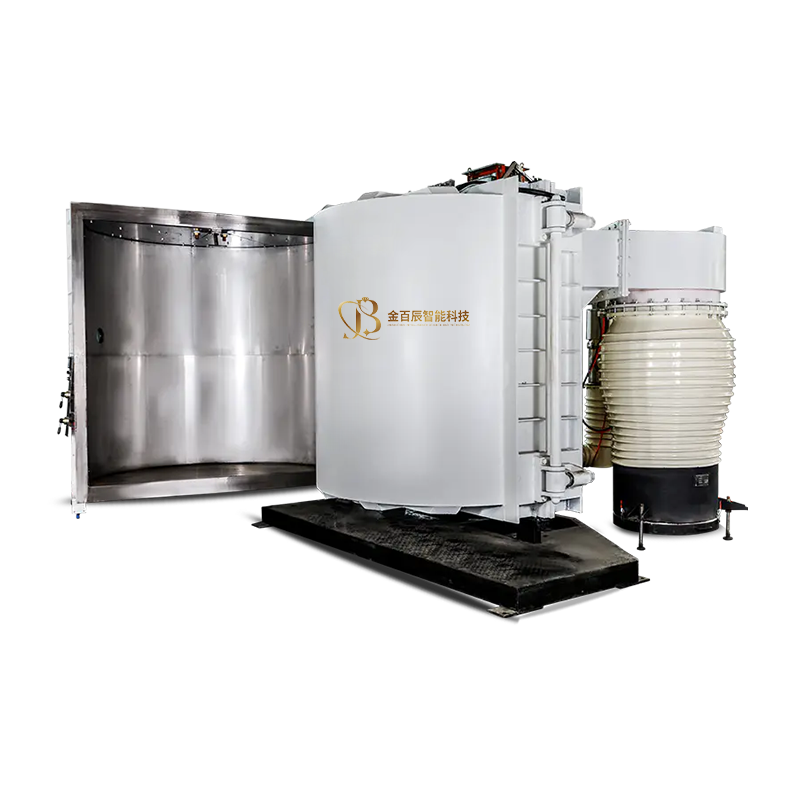
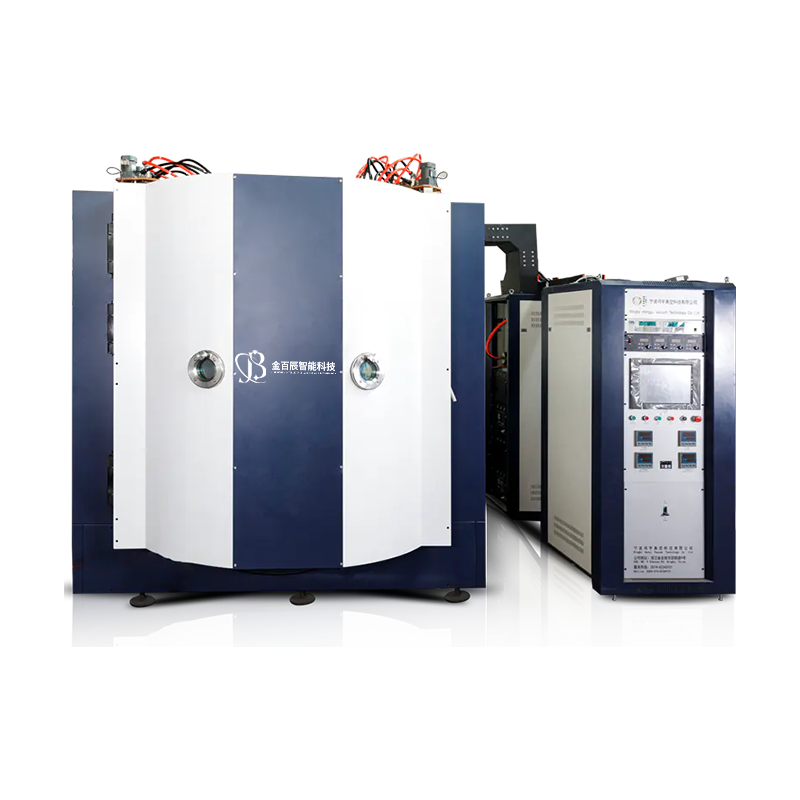
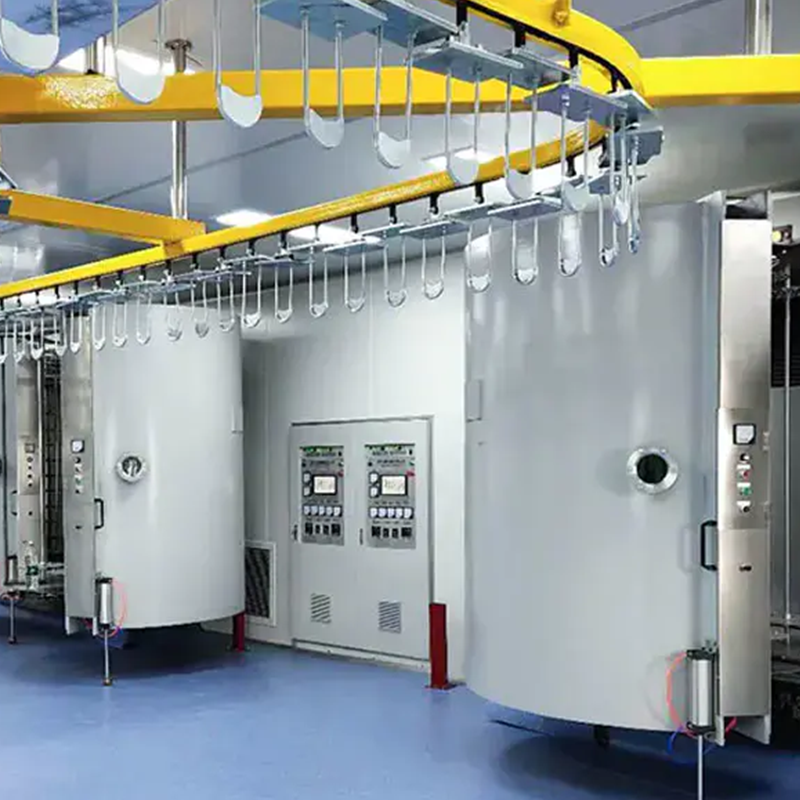
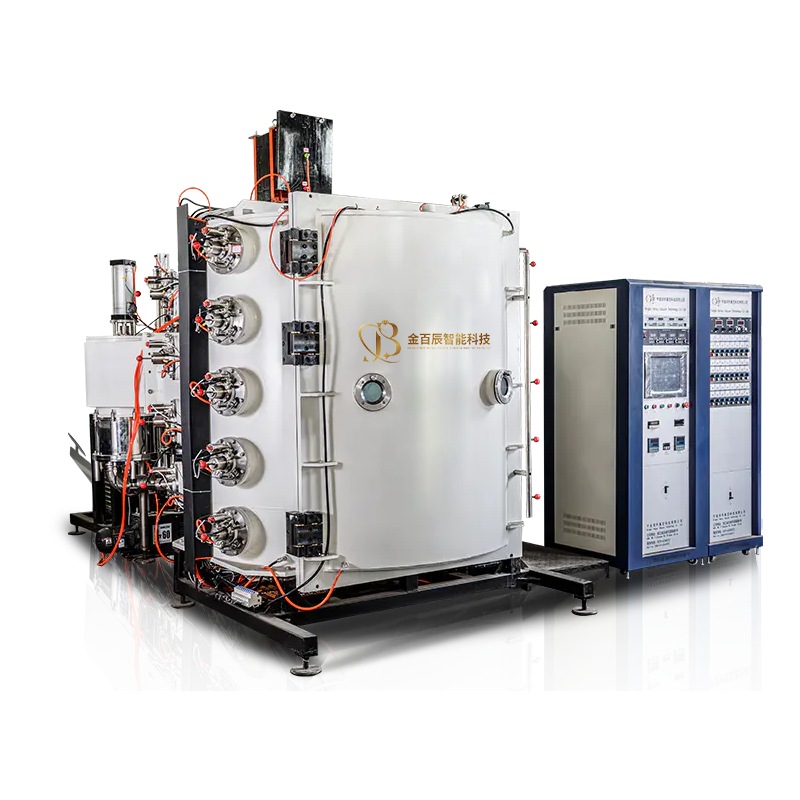
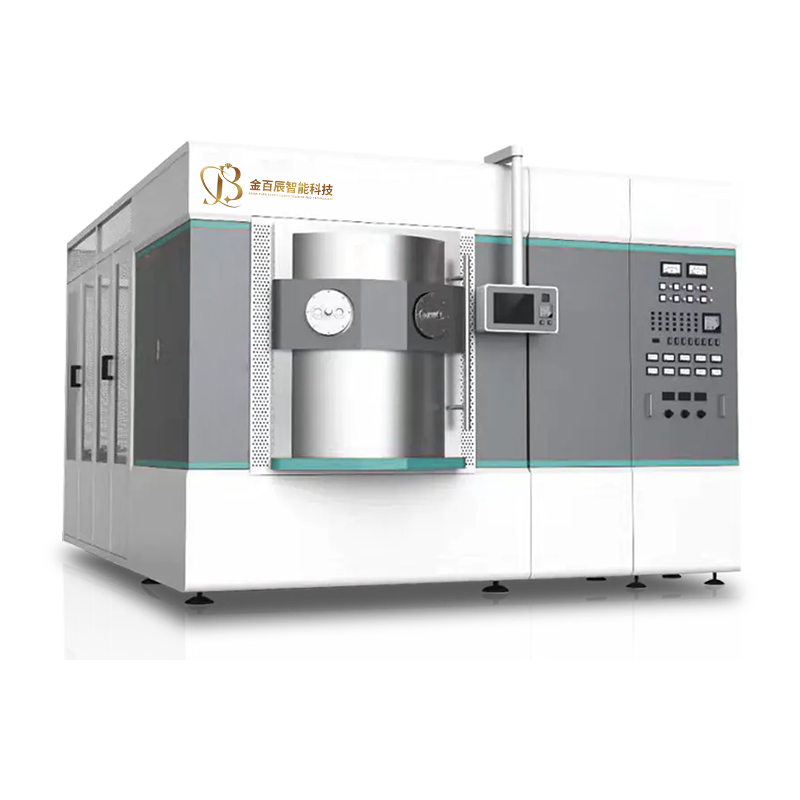
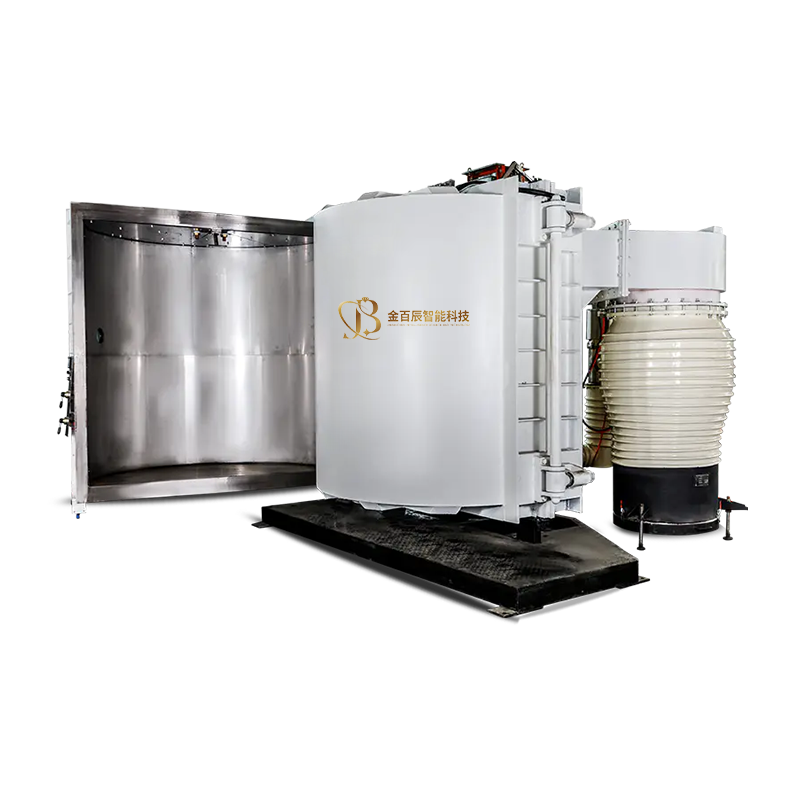
PVD evaporation coating equipment is widely used in industries requiring high-quality surface treatments for metals, plastics, and other materials. This equipment provides precise, uniform coatings that enhance appearance, wear resistance, and corrosion protection. Understanding the working principle, applications, and maintenance of this equipment helps manufacturers achieve consistent results in their production processes.
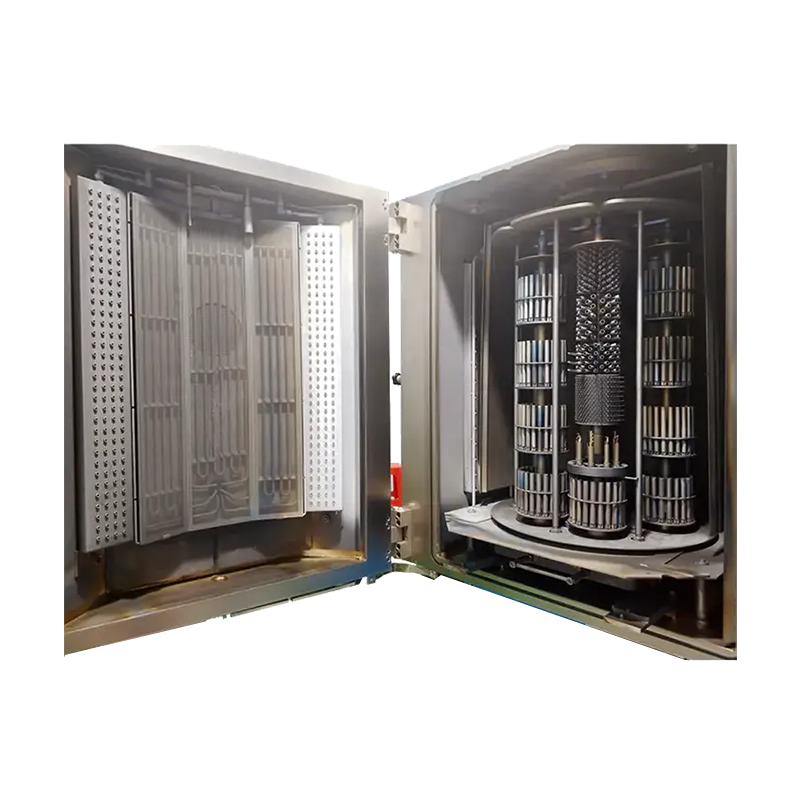
The PVD evaporation coating equipment operates on the physical vapor deposition (PVD) principle. Materials such as metals or metal compounds are vaporized in a vacuum chamber and then deposited onto the substrate. The vacuum environment ensures that particles move directly from the source to the target, creating a uniform, thin coating.
This method allows control over coating thickness, adhesion, and uniformity. Depending on the material and desired finish, the equipment can perform evaporation with resistive heating, electron beam, or other energy sources to vaporize the coating material efficiently.
PVD evaporation coating equipment is used across multiple industries. In the electronics sector, it is applied to coatings for connectors, semiconductor components, and decorative elements. In automotive manufacturing, it is used for decorative trims, wheel rims, and other parts requiring durable, corrosion-resistant surfaces.
The medical industry also benefits from PVD-coated instruments, which improve durability and reduce contamination risks. Additionally, this equipment finds use in tool manufacturing, where coatings extend the life of cutting tools and reduce friction.
One advantage of PVD evaporation coating equipment is the ability to deposit a wide range of materials, including metals, oxides, and nitrides, with high precision. The process produces coatings that are hard, thin, and resistant to scratches and corrosion.
Compared with other coating methods, such as electroplating or chemical vapor deposition, PVD evaporation creates a more environmentally friendly process with minimal chemical waste. Its precise control ensures consistent quality for both decorative and functional coatings.
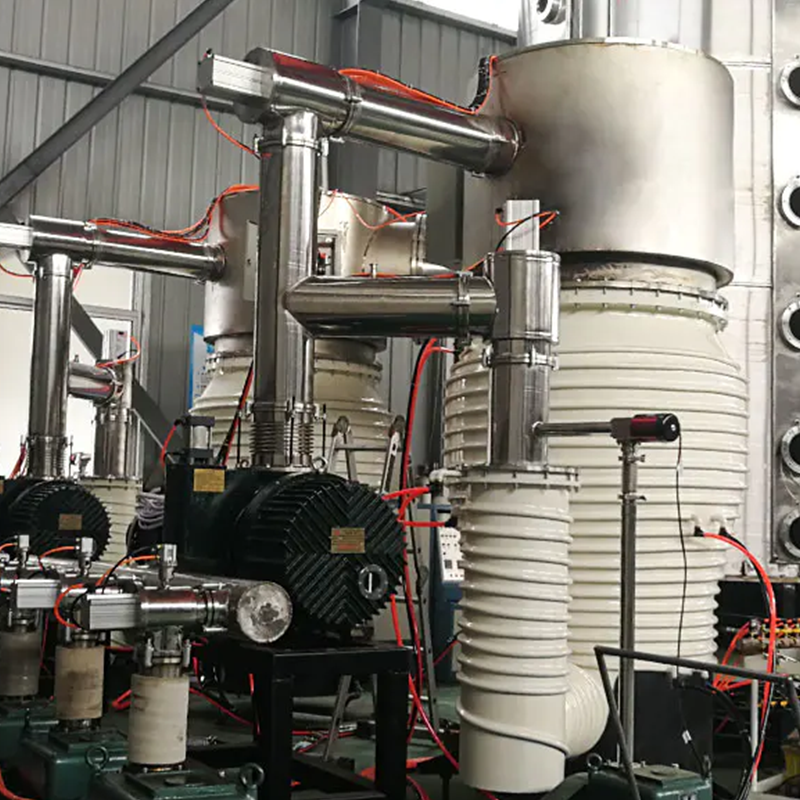
Proper operation and maintenance are important to ensure consistent performance of PVD evaporation coating equipment. This includes regular inspection of vacuum seals, heating elements, and deposition sources. Cleaning the chamber and checking the alignment of targets and substrates helps maintain coating uniformity.
Operators should also monitor vacuum levels, temperature, and deposition rates to prevent defects. Training and adherence to operational procedures reduce downtime and ensure the equipment continues to produce high-quality coatings over time.
When choosing PVD evaporation coating equipment, manufacturers should consider chamber size, deposition rate, material compatibility, and energy source. Some machines offer multi-source or rotary substrate holders, which allow coating of complex shapes and increase efficiency.
It is also helpful to select a supplier that provides technical support, installation guidance, and spare parts availability. This ensures smooth integration into production lines and reliable long-term operation.
PVD evaporation coating equipment provides a versatile and precise method for enhancing the surface properties of various materials. Its applications span electronics, automotive, medical, and tool industries, offering improved wear resistance, aesthetic appeal, and corrosion protection. By understanding its working principle, advantages, and maintenance requirements, manufacturers can select and operate the right PVD evaporation equipment to achieve consistent, high-quality coatings in their production processes.

Realize environmental protection requirements with advanced technology and solve the shortcomings of water electroplating.
Vacuum Coating Equipment Manufacturer