Industry News
The technical team of Jinbaichen has over 30 years of experience in the research and development of vacuum coating equipment and technological accumulation.
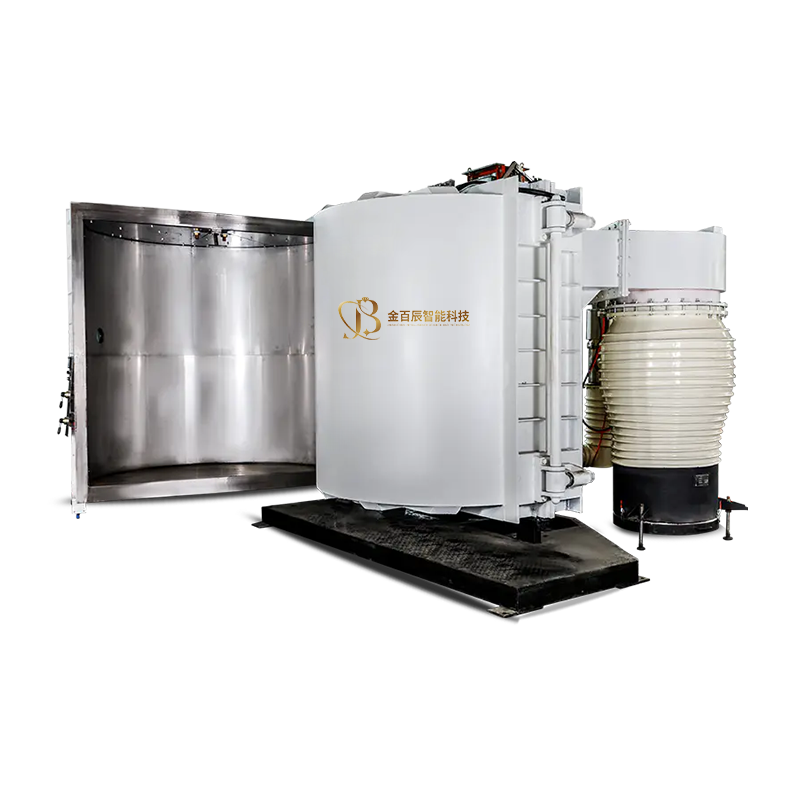

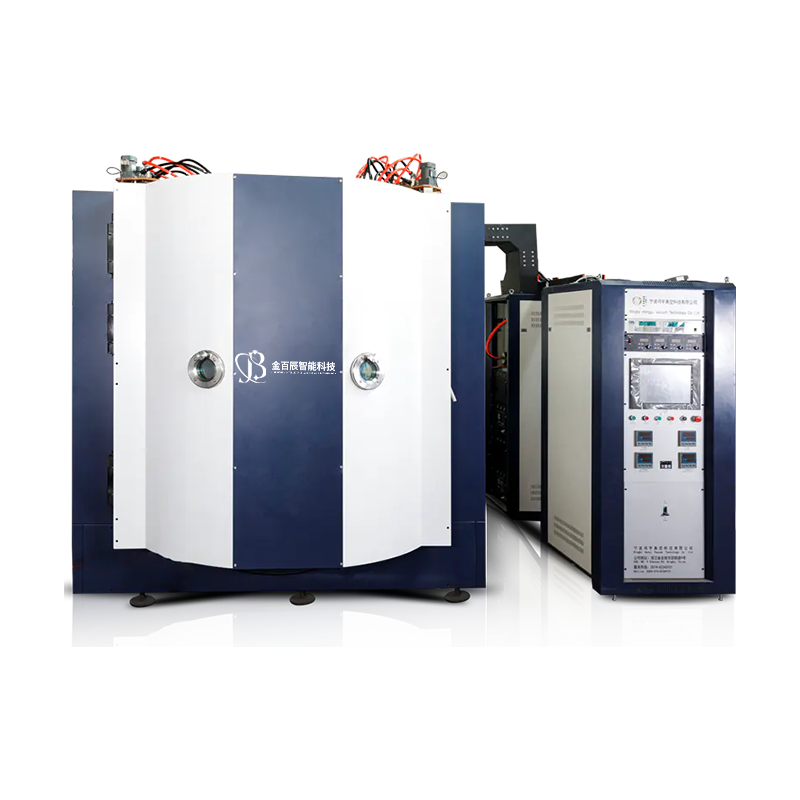
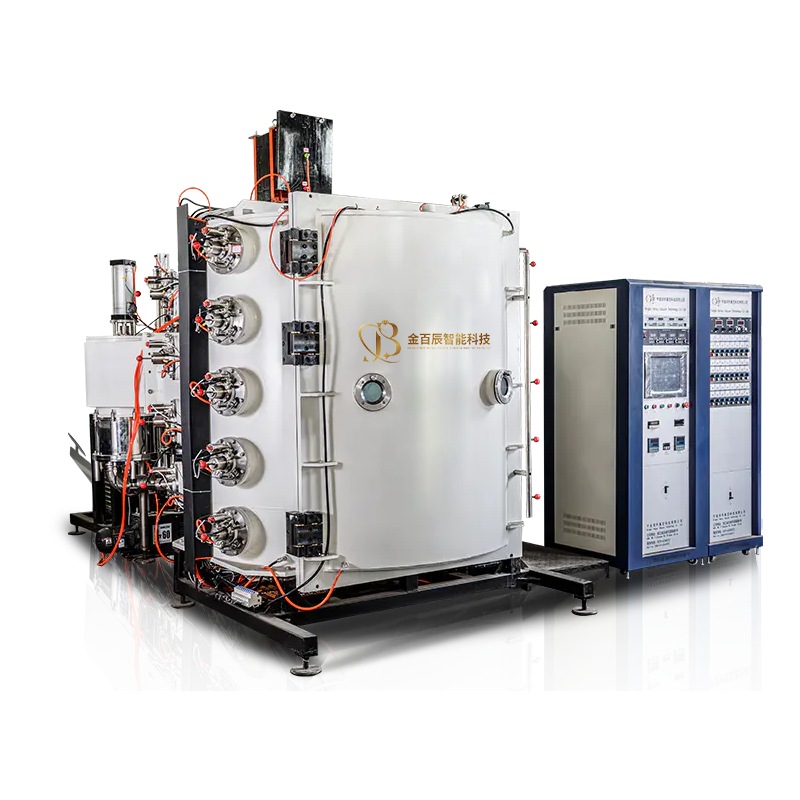
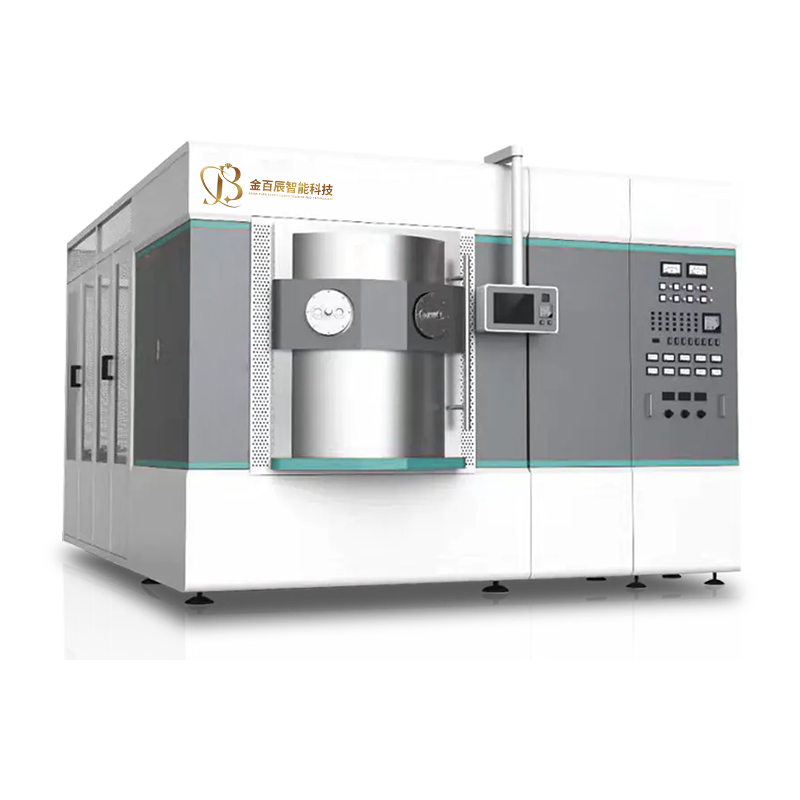
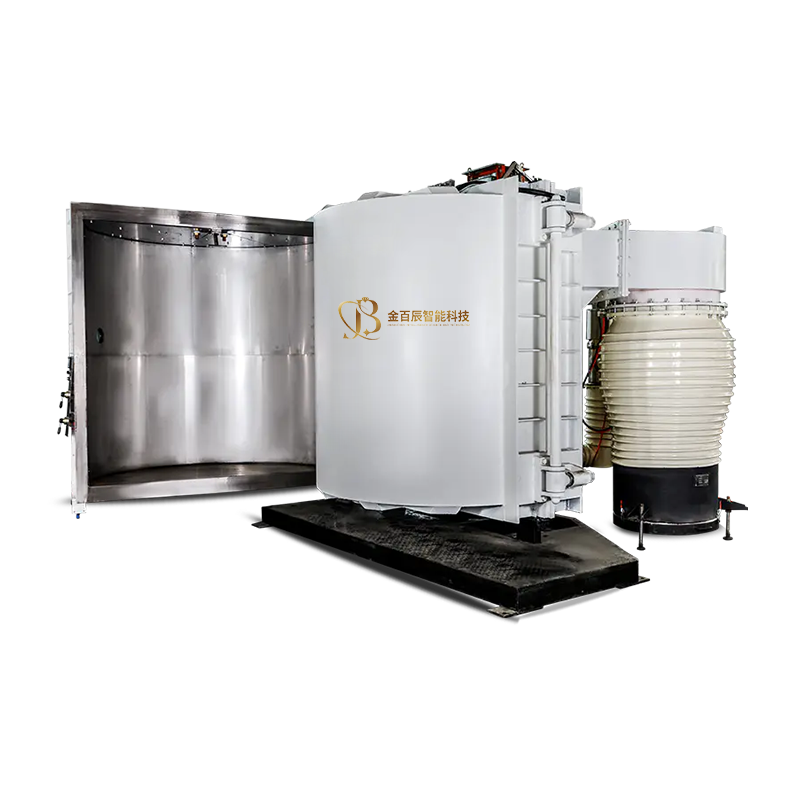
In automotive manufacturing, headlamp appearance and performance have gained increasing attention. One technology that supports this focus is PVD headlamp dedicated coating equipment. This equipment allows manufacturers to apply precise coatings to headlamp surfaces, improving durability, color consistency, and reflective properties without compromising design.
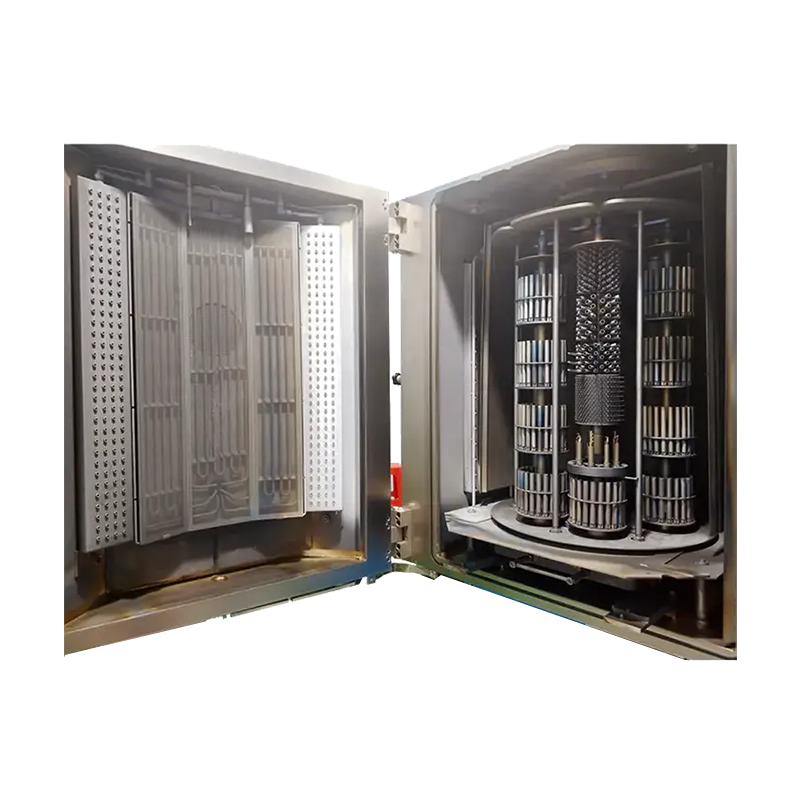
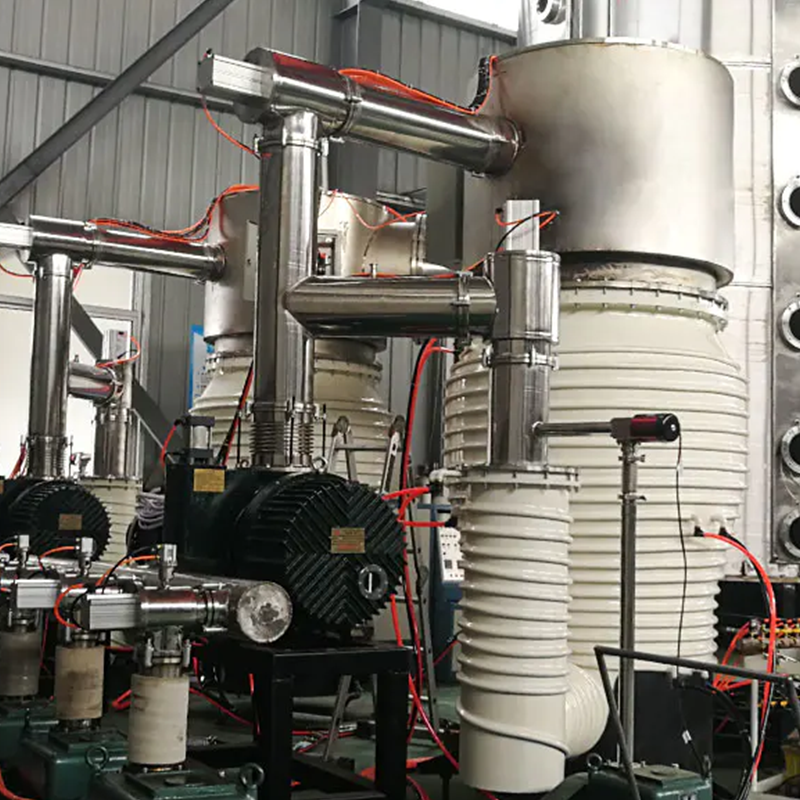
The PVD headlamp dedicated coating equipment operates on a physical vapor deposition (PVD) principle. During the process, a material is vaporized in a vacuum environment and deposited onto the headlamp surface. Unlike traditional coating methods, PVD does not involve chemical reactions that might alter the surface structure. This controlled deposition ensures a uniform coating, which enhances the optical quality and aesthetic appeal of automotive lighting components.
This specialized equipment is particularly useful for high-end or specialty vehicles where headlamp clarity and design consistency are critical. The PVD headlamp dedicated coating equipment is applied to create reflective layers, colored finishes, or protective films on plastic and glass lamp covers. It is also used to improve resistance against scratches, UV exposure, and environmental wear, which contributes to longer-lasting headlamp performance.
Using PVD headlamp dedicated coating equipment can improve workflow efficiency. The automated system allows consistent coating thickness and surface uniformity across multiple units. For manufacturers, this reduces the need for rework and ensures each headlamp meets quality standards. Additionally, because the equipment uses a vacuum deposition process, it minimizes material waste and reduces contamination risks compared to spray or dip coating techniques.
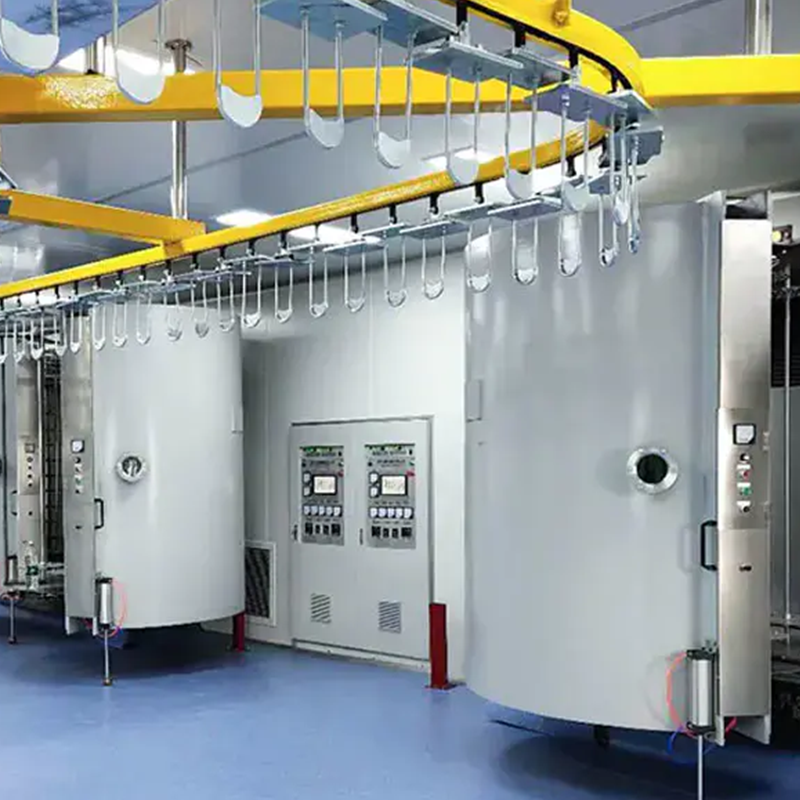
Many automotive factories integrate PVD headlamp dedicated coating equipment with robotic arms or conveyor systems. This integration allows continuous production while maintaining precision, especially in complex headlamp shapes. Software controls can adjust deposition parameters in real time, ensuring consistent results for different lamp designs. The flexibility of this equipment makes it suitable for both small-scale custom production and larger automotive assembly lines.
Another advantage of PVD headlamp dedicated coating equipment is its environmentally conscious design. Since it uses a physical deposition process, it reduces reliance on liquid solvents or chemical coatings that generate waste. Additionally, the closed vacuum chamber prevents harmful fumes from entering the workspace, enhancing operator safety. These factors make PVD coating a cleaner and safer alternative for automotive manufacturing.
When selecting PVD headlamp dedicated coating equipment, manufacturers should consider production volume, headlamp material types, and coating complexity. Machines vary in their ability to handle curved surfaces or multi-layer coatings, so reviewing specifications carefully is essential. Proper maintenance and operator training are also important to ensure long-term performance and consistent results.
PVD headlamp dedicated coating equipment provides an effective solution for applying high-quality coatings to automotive headlamps. Its ability to deliver uniform finishes, reduce waste, and maintain environmental and safety standards makes it valuable in modern automotive manufacturing. By integrating this technology, manufacturers can produce headlamps with enhanced durability, aesthetic appeal, and optical performance, supporting both functional and design requirements in the automotive industry.
Realize environmental protection requirements with advanced technology and solve the shortcomings of water electroplating.
Vacuum Coating Equipment Manufacturer